Cold ground can ruin a good night outdoors fast. The right pad adds warmth, cushioning, and insulation so you sleep better in more conditions.
We rounded up the best insulated sleeping pads for 2026, focusing on R-value, comfort, weight, durability, and ease of use across different camping styles.
Best 10 Insulated Sleeping Pads Picks for 2026
4-Season Hybrid Comfort
Gear Doctors Oxylus 4.3 R-Value Self-Inflating Pad
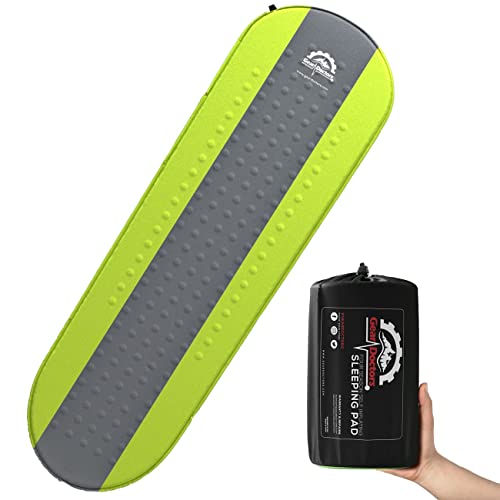
- 4.3 R-value foam-air hybrid
- Self-inflates and packs small
- Durable 75D polyester shell
Best For: campers needing dependable warmth and easy setup
Ultralight Cold-Weather Pick
FlexRest Pro 4.9 R-Value Tapered Sleeping Pad

- 4.9 R-value for four-season warmth
- Weighs just 1.4 pounds
- Fast Vortex Valve inflation
Best For: ultralight backpackers in colder conditions
High-Insulation Value
TREKOLOGY UL R7 7.2 R-Value Camping Pad

- 7.2 R-value for all-season warmth
- 4-inch thick and roomy
- 2 lbs and water-bottle compact
Best For: campers wanting maximum insulation and thick comfort
Balanced Warmth and Comfort
Klymit Insulated Static V 4.4 R-Value Pad

- 4.4 R-value with synthetic insulation
- 24 oz and packs small
- V-Chamber design improves comfort
Best For: campers wanting a lightweight, easy-inflate insulated pad
All-Season Ultralight Pick

- 7.2 R-value for all-season insulation
- 2 lb packable design with water-bottle-sized storage
- 4-inch thickness with 330 lb capacity
Best For: Hikers and backpackers needing lightweight warmth
Comfort-First Backpacking Pad
Klymit Insulated Static V Luxe

- V-Chamber design for body-mapped comfort
- Klymalite insulation for 4-season warmth
- 32 oz weight with compact packed size
Best For: Campers who prioritize comfort and packability
Winter Performance Choice
OGERY R-Value 9.0 Sleeping Pad

- R-Value 9.0 for extreme cold insulation
- 4.7-inch thickness for stable support
- Pump bag included for quick inflation
Best For: Winter campers and snow-season backpackers
High-Insulation Ultralight Pick
Hikenture 6.2 R-Value All-Season Pad

- ASTM-tested 6.2 R-value for strong cold resistance
- 3.2-inch inflatable design balances comfort and packability
- Weighs 1.53 lb and includes a pump-sack storage bag
Best For: Backpackers who want a light, warm all-season inflatable pad
Extreme-Cold Backpacking Choice
Elegear 9 R-Value Insulated Pad

- ASTM-certified 9 R-value with 9-layer insulation
- 4-inch thickness improves comfort on uneven ground
- Packs compactly at 2.2 lb with fast pump-sack inflation
Best For: Cold-weather backpackers needing maximum insulation
Plush Foam Comfort Pick
Wevelel 9.5 R-Value Memory Foam Pad

- 9.5 R-value with thick foam insulation for all seasons
- 3.1-inch self-inflating memory foam build
- Quiet 50D stretch-knit fabric and pillow included
Best For: Car campers wanting a thick, quiet, mattress-like pad
4-Season Hybrid Comfort – Gear Doctors Oxylus 4.3 R-Value Self-Inflating Pad
If you want one of the more versatile insulated sleeping pads for mixed-weather camping, the Gear Doctors Oxylus is built around a 4.3 R-value foam-and-air hybrid. It self-inflates, packs down compactly, and is designed to work for backpacking, car camping, tent use, and even overlanding when you want dependable warmth and cushioning.
Best For: Campers who want a self-inflating, all-around insulated pad with solid cold-ground protection.
Pros:
- 4.3 R-value helps add warmth on cold or uneven ground
- Self-inflating design is quick to set up and easy to repack
- 75D micro-coated polyester shell is built for durability and abrasion resistance
- Works across camping, hiking, tent, and car-camping use cases
Cons:
- At 35.2 oz, it is not the lightest option for minimalist backpackers
- 1.5-inch thickness is comfortable, but not as plush as thicker air pads
Overall, this is a practical insulated sleeping pad for buyers who value ease of use, reliable warmth, and a tougher exterior more than ultralight weight.
Ultralight Cold-Weather Pick – FlexRest Pro 4.9 R-Value Tapered Sleeping Pad
The FlexRest Pro is a lightweight insulated sleeping pad aimed at cold-weather trips where pack size matters. Its 4.9 R-value, tapered mummy shape, and quick Vortex Valve setup make it a strong fit for backpackers who want dependable insulation without carrying extra bulk.
Best For: Ultralight backpackers who need a compact insulated pad for four-season use.
Pros:
- 4.9 R-value offers solid four-season insulation
- At 1.4 pounds, it stays light for backpacking
- Tapered mummy profile helps reduce heat loss
- Vortex Valve supports fast inflation, deflation, and pressure control
Cons:
- Tapered shape is less roomy than rectangular pads
- Best suited to those comfortable with a mummy-style layout
For hikers who prioritize warmth-to-weight efficiency, this pad focuses on the essentials: insulation, packability, and quick field use.
High-Insulation Value – TREKOLOGY UL R7 7.2 R-Value Camping Pad
Among insulated sleeping pads, the TREKOLOGY UL R7 stands out for its very high 7.2 R-value and roomy 4-inch thickness. It is made for campers and backpackers who want strong ground insulation, a wide sleeping surface, and a pad that still packs down to a water-bottle-sized bundle.
Best For: All-season campers who want maximum insulation and extra-thick comfort.
Pros:
- 7.2 R-value delivers excellent cold-ground insulation
- 4-inch thickness helps prevent bottoming out
- Lightweight and compact for trail use at 2 lbs
- 40D ripstop nylon with TPU coating adds durability and water resistance
Cons:
- No built-in pump, so inflation requires mouth or a separate pump bag
- Best fit is listed for sleepers up to 5’11”
If insulation is your top priority, this pad offers one of the strongest warmth ratings in the group while still remaining portable enough for backpacking.
Balanced Warmth and Comfort – Klymit Insulated Static V 4.4 R-Value Pad
The Klymit Insulated Static V is a practical insulated sleeping pad for campers who want a familiar rectangular feel with added warmth. Its V-Chamber design, synthetic insulation, and easy inflation make it a versatile choice for backpacking, hiking, and general camping.
Best For: Campers who want a lightweight, easy-to-use insulated pad with a comfortable sleep shape.
Pros:
- V-Chamber design helps limit air movement and improve comfort
- Klymalite synthetic insulation adds a 4-season warmth layer
- Inflates in about 10 to 15 breaths and deflates quickly
- Lightweight 24 oz build with a compact packed size
Cons:
- 2.5-inch thickness is thinner than some higher-loft options
- Not water resistant, so campsite conditions matter more
This is a good middle-ground option if you want dependable insulation, a simple setup, and a shape that feels more open than a tapered pad.
All-Season Ultralight Pick – TREKOLOGY 4" 7.2 R-Value Pad
If you want insulated sleeping pads that balance warmth, packability, and comfort, the TREKOLOGY UL R7 is built for all-season use. Its 7.2 R-value helps block ground chill, while the 4-inch thickness and roomy rectangular shape add support for side and back sleepers on backpacking and camping trips.
Best For: Hikers and backpackers who want a warm, lightweight pad with strong all-season insulation.
Pros:
- 7.2 R-value offers strong insulation for cold-weather and year-round camping.
- Weighs 2 lbs and packs down to about the size of a water bottle for easy carry.
- 4-inch thickness and 70.8 x 24-inch size provide supportive sleep space.
- 40D ripstop nylon with TPU coating adds durability and water resistance.
Cons:
- No built-in pump; inflation is by mouth or separate pump bag.
- Best suited for sleepers up to 5’11” according to the product notes.
- At 24 inches wide, it may feel narrow for campers who prefer extra room.
Overall, this is a strong choice if warmth matters more than luxury features. It is especially appealing for campers who want an insulated sleeping pad that stays light, compact, and dependable across seasons.
Comfort-First Backpacking Pad – Klymit Insulated Static V Luxe
Among insulated sleeping pads, the Klymit Insulated Static V Luxe focuses on sleeping comfort without giving up portability. Its V-chamber design, side rails, and Klymalite synthetic insulation are aimed at reducing air movement and adding a warmer layer between you and the ground.
Best For: Campers who want a roomy, easy-to-pack pad with a comfort-first shape.
Pros:
- V-Chamber body-mapping design supports side, back, and stomach sleepers.
- Klymalite synthetic insulation adds 4-season warmth.
- Lightweight at 32 oz with a compact 10 x 5-inch packed size.
- Durable 75D polyester fabric and included patch kit add practical value.
Cons:
- R-value of 5 is solid, but not as high as some winter-focused pads.
- Inflation takes 20-30 breaths, so it is not the quickest option.
- At 3 inches thick, it may feel less cushioned than thicker pads.
This pad makes sense if you care most about sleeping comfort and a roomy feel in a packable format. It is a well-rounded option for camping and backpacking when moderate warmth and low weight both matter.
Winter Performance Choice – OGERY R-Value 9.0 Sleeping Pad
If you need insulated sleeping pads for very cold conditions, the OGERY pad is built around a high 9.0 R-value and reflective multi-layer insulation. It also uses a 4.7-inch air cell structure for added support, making it a practical pick for winter backpacking, snow camping, and alpine trips.
Best For: Cold-weather campers who want maximum insulation and a thicker sleeping surface.
Pros:
- R-Value 9.0 and reflective insulation are designed to reduce heat loss in cold weather.
- 4.7-inch thickness offers stable support for side, back, and combination sleepers.
- Includes a lightweight pump bag for faster inflation and less moisture inside the pad.
- 40D nylon with TPU coating is built for abrasion resistance and outdoor durability.
Cons:
- At 2.5 pounds, it is heavier than some ultralight backpacking options.
- Its cold-weather focus may be more insulation than casual summer campers need.
- Packs compactly, but not as small as the lightest minimalist pads.
For winter trips, this is the most insulation-focused option in the group. If warmth is your top priority, the OGERY is the kind of pad that earns its place in a cold-weather kit.
High-Insulation Ultralight Pick – Hikenture 6.2 R-Value All-Season Pad
If you want an insulated sleeping pad that stays warm without adding much bulk, the Hikenture camping pad is built for all-season use with an ASTM-tested 6.2 R-value and an aluminum-film heat-reflective layer. It also aims for comfort, using a 3.2-inch thickness and airbag structure to help keep you off the ground while still packing down small for backpacking and hiking trips.
Best For: Backpackers and hikers who want a lightweight insulated pad with strong cold-weather performance.
Pros:
- ASTM F3340-22 tested 6.2 R-value for strong insulation
- 3.2-inch thickness with airbag structure for better pressure distribution
- Lightweight at 1.53 lb and compact for easy carry
- Storage bag doubles as a 40L pump sack for inflation
Cons:
- Not the thickest option in this group for maximum cushioning
- Best suited to users who are comfortable with an inflatable design
- Focused on backpacking, so it may not feel as plush as foam pads
Overall, this pad stands out for combining high insulation, low weight, and a simple pump-sack setup. If warmth-to-weight matters most in your insulated sleeping pad search, it is a practical all-season option.
Extreme-Cold Backpacking Choice – Elegear 9 R-Value Insulated Pad
The Elegear insulated sleeping pad is built for harsh conditions, with an independently tested and ASTM-certified 9 R-value plus a 4-inch thickness for extra ground protection. It is a good fit for campers who need dependable warmth in cold weather and still want a pad that can pack down small enough for backpacking trips.
Best For: Backpackers and cold-weather campers who need maximum insulation in a lightweight inflatable pad.
Pros:
- Certified 9 R-value with a 9-layer insulation system
- 4-inch thickness helps reduce bottoming out on rough ground
- Weighs 2.2 lb and packs compactly for backpacking
- Pump sack inflation only needs 4–6 pumps
Cons:
- Heavier than the lightest ultralight sleeping pads
- Mummy shape may feel less roomy than rectangular pads
- Designed around winter performance, so it may be more pad than some summer users need
If your priority is staying warm in serious cold, this pad brings some of the strongest insulation in the lineup. It is a smart pick when an insulated sleeping pad has to deliver both four-season readiness and backpacking portability.
Plush Foam Comfort Pick – Wevelel 9.5 R-Value Memory Foam Pad
For campers who care more about cushioned comfort than minimum weight, the Wevelel memory sleeping pad brings a 3.1-inch foam build, self-inflating convenience, and a 9.5 R-value for strong all-season insulation. Its 50D memory foam and quiet stretch-knit surface are aimed at making car camping, tent sleeping, and guest use feel more comfortable and less noisy than many standard pads.
Best For: Car campers and tent sleepers who want a thick, quiet, high-insulation sleeping pad.
Pros:
- High 9.5 R-value for strong all-season insulation
- 3.1-inch memory foam construction adds plush support
- Self-inflates quickly and includes upgraded dual-use valves for easier storage
- Quiet, skin-friendly 50D stretch-knit fabric feels more premium than basic nylon
Cons:
- At 6.59 lb, it is much heavier than backpacking-focused pads
- Bulkier design makes it less suitable for long-distance carry
- Best matched to car camping and home guest use rather than minimalist trips
This pad is less about shaving ounces and more about delivering a thick, stable sleep surface. If you want an insulated sleeping pad that feels closer to a home mattress, this is the most comfort-oriented option here.
How We Picked the Best Insulated Sleeping Pads
We looked for Insulated Sleeping Pads that balance warmth, comfort, and practicality. Priority factors included R-value, thickness, packed size, setup speed, materials, and whether the pad fits backpacking or car-camping needs. We also favored options that offer dependable insulation without unnecessary bulk.
Quick Comparison: What Matters Most
Higher R-values generally mean better cold-weather performance, while thicker pads usually feel more comfortable for side sleepers. Ultralight models are easier to carry, but they may trade off some plushness or durability. Self-inflating and foam designs are often simpler to use, while inflatable pads can pack smaller.
Key Buying Factors for Insulated Sleeping Pads
R-Value and Seasonal Use
For summer and mild shoulder-season trips, a moderate R-value may be enough. For late fall, winter, or snow camping, choose a higher-insulation pad. If you camp year-round, prioritize a pad with enough thermal protection for your coldest likely trips.
Thickness and Sleeping Comfort
Thicker pads can improve pressure relief for hips and shoulders, especially for side sleepers. If you toss and turn, a wider or more cushioned pad can make a noticeable difference in comfort.
Weight and Packed Size
Backpackers should pay close attention to weight and how compact the pad packs. If you mostly camp near your vehicle, comfort and warmth may matter more than a few extra ounces or inches in the pack.
Inflation Style and Convenience
Inflatable pads are usually more compact, while self-inflating and foam-based options can be easier to manage in camp. Consider how much effort you want to spend setting up and packing down after each trip.
Who Should Buy Which Insulated Sleeping Pads?
If you want the lightest setup, look for a compact inflatable pad with a strong warmth-to-weight ratio. If comfort is your top priority, choose a thicker, more cushioned model. If you camp in colder temperatures, focus on higher R-values first, then compare thickness and packability. For casual campers, a straightforward insulated sleeping pad with easy inflation and dependable warmth is often the best all-around choice.