Choosing the right sleeping pad can make or break a winter camping trip. In freezing conditions, a pad is not just about comfort—it is a critical layer of insulation between you and the cold ground.
Below, we’ve rounded up 10 of the best options to help you find a winter-ready pad that matches your sleeping style, budget, and pack weight needs.
Best 10 Sleeping Pads for Winter Camping Picks for 2026
Hybrid 4-Season Value Pick
Gear Doctors Oxylus 4.3 R-Value Self-Inflating Pad
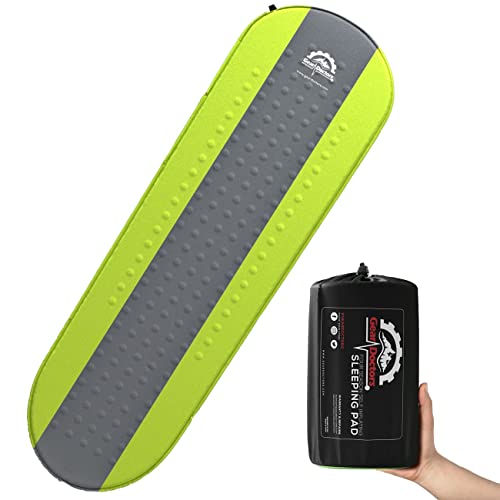
- 4.3 R-value for cold-ground warmth
- Self-inflating and easy to pack
- Durable 75D polyester shell
Best For: Campers who want an easy-to-use insulated pad for winter trips
Ultralight Cold-Weather Choice
Pro Insulated Sleeping Pad with 4.9 R-Value

- 4.9 ASTM R-value for cold protection
- 1.4-pound ultralight backpacking build
- Tapered mummy shape reduces heat loss
Best For: Ultralight backpackers needing a compact winter pad
Most Insulated Comfort Pad
Self-Inflating Pad with Built-in Pillow and 8 R-Value
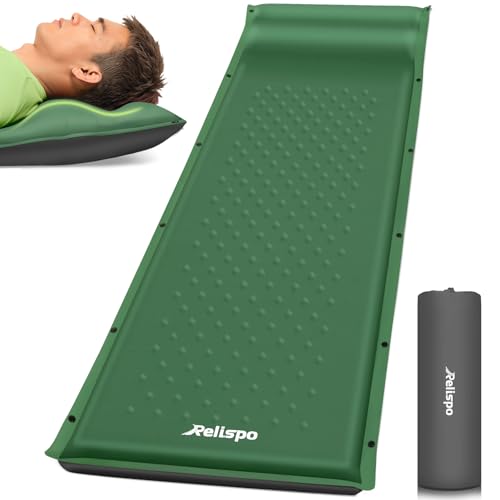
- 8 R-value for freezing conditions
- Built-in pillow and 2.2-inch cushioning
- Snap fasteners for linking pads together
Best For: Winter campers who want maximum warmth and comfort
Classic Ultralight Foam Backup
Therm-a-Rest Z Lite Original Foam Sleeping Pad
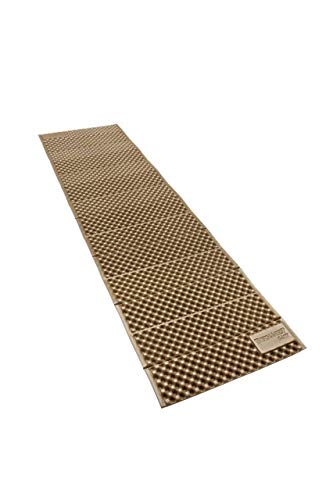
- Closed-cell foam needs no inflation
- Accordion fold packs and deploys fast
- Very light at 13.6 ounces
Best For: Minimalists needing a durable backup or layering pad
High-Insulation Backpacking

- Certified 9 R-value insulation
- 4-inch thickness with supportive cell design
- 2.2 lb pack weight with pump sack
Best For: Backpackers needing serious winter insulation in a lighter package
Ultralight Warmth

- 7.2 R-value for all-season insulation
- 2 lb pack weight and water-bottle size
- 4-inch thickness with durable TPU-coated nylon
Best For: Lightweight backpackers who still want solid warmth and comfort
Ultra-Thick Comfort Pick
Memory Sleeping Pad, 3.1" Ultra-Thick Foam Sleeping Mats

- 9.5 R-value insulation for winter ground cold
- 3.1-inch foam-and-air build with memory foam support
- Foot-pump self-inflation and adjustable firmness
Best For: Car camping and family winter trips
Lightweight Winter Backpacking Pick
Hikenture Camping Sleeping Pad with 6.2 R-Value

- 6.2 R-value insulation for cold-weather use
- Only 1.53 lb with compact packability
- Pump sack inflation plus repair patches included
Best For: Backpackers and hikers needing lightweight winter warmth
High-R-Value All-Season Pick
Camping Sleeping Pad, SGS Certified 9.0 R-Value 4" Thick

- SGS-certified 9.0 R-value for strong winter insulation
- 3.9-inch thickness for supportive sleeping comfort
- Pump sack inflates fast and doubles as a pillow
Best For: Winter campers who want high warmth and manageable weight
Hybrid 4-Season Value Pick – Gear Doctors Oxylus 4.3 R-Value Self-Inflating Pad
If you want sleeping pads for winter camping that balance warmth, comfort, and straightforward setup, the Gear Doctors Oxylus is built around a 4.3 R-value foam core and a self-inflating design. It packs down relatively small, opens up to a full-length pad, and is meant to handle cold, uneven ground without adding much hassle to camp prep.
Best For: Backpackers and campers who want a dependable, easy-to-use insulated pad for cold-weather trips.
Pros:
- 4.3 R-value hybrid foam core helps provide reliable warmth on cold ground.
- Self-inflating setup is beginner-friendly and quick to get camp-ready.
- 75D micro-coated polyester shell is built for abrasion, moisture, and outdoor use.
- Compact packed size and sub-2-pound weight keep it practical for travel.
Cons:
- 1.5-inch thickness is supportive, but not as plush as thicker winter pads.
- Best performance still depends on topping off firmness by mouth.
Overall, this is a solid middle-ground choice if you need a winter-capable sleeping pad that emphasizes versatility over maximum bulk or maximum insulation. It should suit campers who want a durable all-around pad for multiple seasons.
Ultralight Cold-Weather Choice – Pro Insulated Sleeping Pad with 4.9 R-Value
For sleeping pads for winter camping where weight still matters, this insulated pad focuses on low pack weight and dependable cold-weather protection. Its ASTM R-value of 4.9, tapered mummy shape, and fast Vortex Valve inflation make it a practical option for backcountry trips in colder conditions.
Best For: Ultralight backpackers who want a compact insulated pad with strong four-season warmth.
Pros:
- ASTM R-value of 4.9 offers dependable insulation for cold-weather use.
- Lightweight 1.4-pound build is easier to carry on backpacking trips.
- Tapered mummy profile helps reduce heat loss and works well with mummy bags.
- Vortex Valve supports quick inflation, deflation, and pressure adjustment.
Cons:
- Tapered shape gives you less width than a rectangular pad.
- Durable TPU construction is rugged, but still benefits from careful site selection.
This pad stands out if you want winter-ready insulation without carrying extra weight. It is best suited to backpackers who prioritize efficiency, compact storage, and fast setup.
Most Insulated Comfort Pad – Self-Inflating Pad with Built-in Pillow and 8 R-Value
If you need sleeping pads for winter camping with more emphasis on warmth and sleeping comfort, this model brings an 8 R-value foam core, a built-in pillow, and a larger surface area. It is designed to insulate against freezing conditions while still offering a self-inflating setup and a roomy feel for basecamp or car camping.
Best For: Campers who want maximum insulation and a more bed-like sleep system for winter conditions.
Pros:
- 8 R-value insulation is the strongest cold-weather rating in this group.
- Built-in pillow adds support for your head, neck, and spine.
- 2.2-inch profile and 30D foam help cushion hard ground without bottoming out.
- Snap fasteners let you connect pads for a larger shared sleeping area.
Cons:
- At 4.3 pounds, it is heavier than the more pack-focused options.
- Larger packed size makes it less appealing for minimalist backpacking.
This is the warmest and most comfort-oriented option here, so it makes sense for cold trips where sleep quality matters more than shaving ounces. It is especially attractive for couples, car campers, and winter campers who want extra cushioning.
Classic Ultralight Foam Backup – Therm-a-Rest Z Lite Original Foam Sleeping Pad
When you want a simple option among sleeping pads for winter camping, the Therm-a-Rest Z Lite Original offers closed-cell foam reliability with no inflation required. Its dimpled surface is designed to trap heat, and the accordion-fold format makes it easy to strap on as a lightweight backup or use on its own in milder cold conditions.
Best For: Minimalists, mountaineers, and anyone who wants a durable foam pad as a simple cold-weather layer or backup.
Pros:
- Closed-cell foam construction is dependable, durable, and requires no inflation.
- Accordion-style fold packs easily and sets up instantly.
- Dimpled design helps capture and trap heat in cold conditions.
- Very light at 13.6 ounces, making it easy to carry as a backup pad.
Cons:
- R-value of 1.7 is much lower than insulated air or foam-air hybrid pads.
- 0.75-inch thickness offers limited cushioning on hard ground.
This pad makes sense if you want the simplest possible ground insulation and value durability over plush comfort. For serious winter camping, many users will pair it with another insulated pad rather than rely on it alone.
Premium Comfort – Hikenture 3” Self-Inflating Sleeping Pad
If you want sleeping pads for winter camping that lean more toward comfort than ultralight minimalism, the Hikenture pad is built around warmth, thickness, and easy setup. Its 9.5 R-value insulation, 3-inch foam cushioning, and integrated pillow make it a strong pick for cold ground and base-camp style trips where sleep quality matters.
Best For: Campers who want a thick, insulated, self-inflating pad with an integrated pillow for cold-weather comfort.
Pros:
- 9.5 R-value insulation is well suited to winter camping and frosty ground.
- 3-inch foam construction adds plush cushioning and pressure relief.
- Built-in pillow reduces the need to pack extra bedding.
- Multi-function valve is designed for quick inflation and easy deflation.
Cons:
- At 2.4 kg, it is heavier than more backpacking-focused options.
- Rectangular shape may take more packed space than mummy-style pads.
The Hikenture is a practical choice if you prioritize warmth and comfort over low weight. For car camping, tent camping, or winter trips where insulation is the main concern, it offers a straightforward, well-cushioned setup.
High-Insulation Backpacking – Elegear 4" R-9 Sleeping Pad
Among sleeping pads for winter camping, the Elegear CumbreX stands out for its tested R-value and backpacking-friendly weight. It combines a 9-layer insulation system, 4-inch thickness, and a compact pack size, making it a good fit when cold-weather warmth and carry comfort both matter.
Best For: Backpackers and cold-weather campers who want strong insulation without a bulky setup.
Pros:
- Certified 9 R-value and 9-layer insulation for strong cold-weather performance.
- 4-inch thickness helps reduce bottoming out on uneven ground.
- Lightweight at 2.2 lbs and packs compactly for hiking trips.
- Pump sack included for inflation without extra gear.
Cons:
- Mummy shape may feel less roomy than rectangular pads.
- No built-in pump, so inflation still requires a pump sack or similar setup.
This pad is best when warmth, portability, and pack efficiency are all priorities. It’s a well-rounded option for serious outdoor use, especially when temperatures drop and you still need to keep weight under control.
Ultralight Warmth – TREKOLOGY 4" R7 Camping Pad
If you’re comparing sleeping pads for winter camping and want a lighter option that still brings real insulation, the TREKOLOGY UL R7 is worth a look. With a 7.2 R-value, 4-inch thickness, and compact packed size, it balances warmth and portability for all-season use.
Best For: Hikers and backpackers who want a lightweight insulated pad with strong comfort and compact carry.
Pros:
- 7.2 R-value provides solid insulation for cold ground and year-round use.
- 4-inch thickness helps keep sleepers off the ground and reduces bottoming out.
- Weighs 2 lbs and packs to about the size of a water bottle.
- 40D ripstop nylon with TPU coating adds durability and water resistance.
Cons:
- No built-in pump; inflation requires mouth or a separate pump bag.
- Best suited to sleepers up to 5’11”, so taller users may want more length.
For a lighter cold-weather pad, the TREKOLOGY offers a useful middle ground between warmth and packability. It’s a sensible pick for hikers who want dependable insulation without carrying a heavier winter sleep system.
Ultra-Thick Comfort Pick – Memory Sleeping Pad, 3.1" Ultra-Thick Foam Sleeping Mats
If you want sleeping pads for winter camping that feel closer to a home mattress than a thin air pad, this 3.1-inch foam-and-air model is built for comfort and serious insulation. Its 9.5 R-value, memory foam core, and quiet surface make it a strong fit for cold-weather drive-in trips where warmth and pressure relief matter most.
Best For: Car campers, family trips, and anyone who prioritizes mattress-like comfort in cold weather.
Pros:
- 9.5 R-value offers strong insulation against cold ground in winter.
- 3.1-inch ultra-thick foam construction and memory foam core help reduce pressure on shoulders, hips, and back.
- Self-inflates quickly with the foot-pump system, with adjustable firmness for a softer or firmer feel.
- Quiet surface helps minimize crinkling and sleep disruption.
Cons:
- At 6.5 pounds, it is heavier than backpacking-focused pads.
- Bulkier profile makes it better suited to car camping than long treks.
This is a practical choice if warmth, cushioning, and easy setup matter more than shaving ounces. For winter camping where comfort is the priority, it offers a convincing blend of insulation and sleep support.
Lightweight Winter Backpacking Pick – Hikenture Camping Sleeping Pad with 6.2 R-Value
For sleeping pads for winter camping that still make sense for backpacking, this insulated mat keeps weight low without dropping to a bare-bones design. The 6.2 R-value, 3.2-inch thickness, and pump-sack inflation setup make it a practical cold-weather option when you need warmth, packability, and quick setup on the trail.
Best For: Backpackers and hikers who want a lightweight insulated pad for all-season use.
Pros:
- 6.2 ASTM-tested R-value provides strong insulation for cold conditions.
- 3.2-inch thickness and airbag structure help prevent bottoming out.
- Weighs just 1.53 lb, making it easy to carry on longer trips.
- Pump sack doubles as a 40L storage bag, and it includes two repair patches.
Cons:
- Less plush than thicker mattress-style pads.
- Best suited to users who are comfortable with inflatable gear rather than foam padding.
Overall, this is the most trail-friendly option in the group for winter insulation. It balances warmth and portability well, especially if you want a compact pad that inflates quickly and packs efficiently.
High-R-Value All-Season Pick – Camping Sleeping Pad, SGS Certified 9.0 R-Value 4" Thick
If you are comparing sleeping pads for winter camping and want a balance of warmth, thickness, and portability, this SGS-certified pad stands out with a 9.0 R-value and 3.9-inch profile. It is designed to hold in body heat, reduce contact with cold ground, and still pack down small enough for backpacking or travel.
Best For: Winter campers, backpackers, and overlanders who want high insulation without a huge packed size.
Pros:
- SGS-certified 9.0 R-value is designed for true all-season warmth.
- 3.9-inch thickness provides generous cushioning and helps reduce bottoming out.
- Pump sack inflates the pad in 4–6 compressions and can double as a pillow.
- 2.8-pound weight keeps it reasonable for backpacking and travel.
Cons:
- Still an inflatable pad, so comfort depends on proper inflation.
- At 25.6 inches wide, it may feel more compact than a full-size mattress-style pad.
This is a strong all-around cold-weather choice if you want more insulation than most lightweight pads provide. It hits a useful middle ground between winter-ready warmth and practical carry weight.
How We Picked These Sleeping Pads for Winter Camping
We focused on cold-weather insulation, real-world comfort, packability, and overall value. For winter use, the most important metric is R-value, since it indicates how well a pad resists heat loss to the ground. We also considered thickness, inflation style, durability, and whether a pad works better for backpacking, car camping, or mixed-season use.
Quick Comparison
As a general rule, higher R-values are better for colder conditions. Pads around 4 to 6 can work for shoulder-season or mild winter setups with added insulation, while 7 and above are better suited to true winter camping. Thick inflatable and self-inflating pads usually offer more comfort, while foam pads tend to be more reliable and lighter, though less plush.
Key Buying Factors for Sleeping Pads for Winter Camping
R-Value
R-value is the top priority. If you camp in snow, frozen ground, or subfreezing temperatures, look for a pad with a higher R-value and consider pairing it with a closed-cell foam pad for extra protection.
Thickness and Comfort
Thicker pads can improve side-sleeping comfort and reduce pressure points, especially on uneven ground. Just make sure thickness does not come at the cost of stability or thermal performance.
Weight and Packed Size
If you backpack in winter, every ounce matters. Ultralight pads save space and effort, but some thicker models are better suited to base camps and car camping where comfort is the priority.
Inflation and Reliability
Self-inflating pads are convenient, while inflatable pads often deliver more comfort and better packability. Foam pads are the simplest option and can be very dependable in extreme conditions because they do not rely on valves or air chambers.
Shape and Sleep System Fit
Choose a pad length and width that match your sleeping bag or quilt setup. A pad that is too narrow can let your shoulders or hips slip onto cold ground, reducing warmth and sleep quality.
Who Should Buy Which Sleeping Pads for Winter Camping?
Backpackers should prioritize lighter pads with strong insulation and small packed sizes. Car campers and base-camp users can favor thicker, more comfortable models with higher R-values. If you sleep cold, camp on snow, or want maximum peace of mind, choose one of the highest-R-value options available. If you want the simplest, most fail-safe solution, a foam pad is still a smart winter choice.
For most buyers, the best pick is the one that balances warmth first, then comfort, then portability. That order matters most when shopping for Sleeping Pads for Winter Camping.