Choosing the right helmet can make a real difference on race day, especially when every second and every watt counts. The best options balance aerodynamics, ventilation, comfort, and secure fit.
Below, we’ve rounded up 10 of the best cycling helmets for triathlons in 2026 to help you find a fast, practical match for training and racing.
Best 10 Cycling Helmets for Triathlons Picks for 2026
Aero TT Value Pick

- Includes a magnetic visor for wraparound eye protection
- Eight vents and a 390g build support race-day comfort
- Made with a PC shell and EPS liner for impact protection
Best For: Triathletes wanting a simple aero helmet with a visor
Safety-First Aero Choice

- Includes MIPS technology for added rotational impact protection
- Polycarbonate shell and Super Fit Engineering support a performance fit
- Sporty, cycling-focused design for aero riding
Best For: Triathletes prioritizing safety tech in an aero helmet
Premium Cooling Performer

- Aerodynamic design focuses on speed and road/triathlon use
- Enhanced ventilation and padding help with cooling and moisture control
- Octo Fit dial offers easy mid-ride adjustments
Best For: Athletes wanting a premium aero helmet with better cooling
Feature-Rich TT Option

- Lightweight aero design targets time-trial speed
- MIPS and Zonal Koroyd add protective coverage
- Magnetic visor adjusts in three positions with lens options
Best For: Triathletes who want a feature-packed TT helmet
Aero Triathlon Pick
LAZER Tardiz 2 Triathalon Bike Helmet

- Teardrop aero shape with dimpled tail
- Closed or vented front cap options
- Retention system aims for pressure-free fit
Best For: Triathletes wanting an aero-focused helmet with adjustable airflow
Visor Aero Choice

- Concealed vents and extended channeling
- Magnetic visor system integrated into helmet
- 3D dry padding is removable and washable
Best For: Triathletes and time-trial riders who want a visor-equipped aero helmet
Lightweight Speed Pick
SQUALO Oscar Aerodynamic Bike Helmet

- CFD-optimized shape with wind tunnel testing
- 250 g weight and 22 vents for cooling
- Dial fit and sweat strip help keep it secure
Best For: Triathletes wanting a lightweight aero helmet with lots of ventilation
Aero-First Triathlon Pick
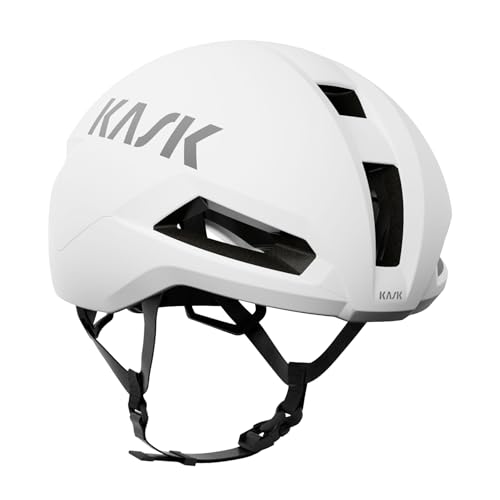
- Wind-tunnel-tested aero shell with claimed 35% drag reduction
- Hyvent ventilation is designed to keep airflow moving in race positions
- OCTOFIT+ retention and Multipod padding add fit and protection focus
Best For: Triathletes seeking a premium aero helmet with strong ventilation
Race-Day Transition Helper
MET Manta MIPS Aero Road Bike Helmet

- MIPS-C2 adds rotational-impact protection
- 15 vents and internal channeling balance airflow with aero shaping
- Fidlock strap and sunglasses port help triathlon transitions
Best For: Triathletes who value aero speed and transition-friendly details
Balanced Aero Value

- Updated aero profile is designed to cut drag
- Multi Shell In-Mold build keeps the helmet lightweight
- Zoom Ace fit and AirBoost ventilation support race comfort
Best For: Triathletes wanting a streamlined aero helmet with adjustable fit
Aero TT Value Pick – SLS3 Triathlon Helmet
If you want cycling helmets for triathlons with a race-focused aero shape and an included visor, the SLS3 Triathlon Helmet keeps the formula straightforward. It is built for medium-to-large heads, aims for a snug close-to-the-face fit, and adds airflow and impact protection without overcomplicating the setup.
Best For: Triathletes who want an affordable aero helmet with a built-in visor and a secure medium-to-large fit.
Pros:
- Magnetic visor is included for wraparound eye protection and can be flipped up or removed while wearing the helmet
- Eight vents help balance cooling with low wind resistance
- Lightweight 390g design is intended to reduce neck strain over longer efforts
- PC shell and EPS liner add crash-tested protection for road and triathlon use
Cons:
- One-size fit only covers 22″ to 24″ head circumference
- Visor must be attached or detached while the helmet is on
- Aero profile may feel specialized if you want a more general-purpose cycling helmet
Overall, this is a practical pick if you want a triathlon-specific helmet with a visor and a lightweight race-day feel. Its fit range and one-handed visor convenience make it especially appealing for riders who value simplicity.
Safety-First Aero Choice – Giro Aerohead MIPS
Giro Aerohead MIPS Bike Helmet - Black/Titanium Medium | Why We Like The Giro Aerohead MIPS Helmet
Check Price On AmazonAmong cycling helmets for triathlons, the Giro Aerohead MIPS stands out for riders who want a streamlined race helmet with built-in protection features. Its polycarbonate shell and Super Fit Engineering point to a focused fit and a clean aerodynamic approach for time-trial style riding.
Best For: Riders who want a race-oriented aero helmet with MIPS safety technology.
Pros:
- MIPS technology adds rotational impact protection
- Polycarbonate shell keeps the helmet lightweight and race-ready
- Super Fit Engineering is designed to improve fit
- Made for cycling use with a sporty, aerodynamic profile
Cons:
- Supplied details do not list ventilation specifics
- Only the medium size is provided in the product details shown
- No visor is mentioned in the supplied notes
If your priority is safety tech in a performance-oriented tri helmet, this one is easy to understand and easy to justify. It keeps the feature set focused on fit, shell construction, and MIPS rather than extras.
Premium Cooling Performer – Kask Utopia Y Bike Helmet
If you are comparing cycling helmets for triathlons and want a premium-feeling aero road option, the Kask Utopia Y is built around speed, cooling, and fit comfort. It uses an aerodynamic design with enhanced ventilation, plus reflective inserts for added visibility in low light.
Best For: Athletes who want an aerodynamic helmet with strong ventilation and easy mid-ride fit adjustment.
Pros:
- Aero-control shape is designed for speed
- Enhanced cooling and ventilation help manage heat and moisture
- Octo Fit dial system allows easy mid-ride adjustments
- Reflective inserts add visibility in poor-light conditions
Cons:
- Supplied notes emphasize road cycling and triathlon, but do not mention a visor
- Size information shown is limited to medium
- Premium feature set may be more than casual riders need
This is a strong choice if comfort and airflow matter as much as speed. The combination of aero shaping, ventilation, and easy adjustment makes it well suited to longer race efforts.
Feature-Rich TT Option – Smith Jetstream TT
The Smith Jetstream TT is a strong fit if you want cycling helmets for triathlons with a time-trial focus and a more complete accessory package. It combines a lightweight aerodynamic build with a magnetic visor, ventilation, and several fit and protection technologies aimed at race-day performance.
Best For: Triathletes who want a lightweight TT helmet with MIPS, Koroyd coverage, and an adjustable visor.
Pros:
- Lightweight aerodynamic design is built for time-trial speed
- MIPS and Zonal Koroyd coverage add impact protection
- Five vents help provide airflow without drag
- Visor adjusts into three positions and supports ChromaPop or clear lens options
Cons:
- Listed size is large in the supplied details
- At 3.4 pounds, the item weight shown is heavier than the other helmets listed
- More feature-rich design may be unnecessary if you want a simpler helmet
For riders who want a highly equipped TT helmet, this model brings together protection, airflow, and visor flexibility. It is a practical pick when you want race-specific features and fewer compromises.
Aero Triathlon Pick – LAZER Tardiz 2 Triathalon Bike Helmet
If you want cycling helmets for triathlons that lean hard into speed, the LAZER Tardiz 2 is built around aerodynamic efficiency and race-day comfort. Its teardrop shape and dimpled tail section are designed to reduce drag, while the ventilation setup still gives you airflow and even lets you squirt water directly on your head.
Best For: Triathletes and time-trial riders who want a race-focused aero helmet with flexible ventilation options.
Pros:
- Aerodynamic teardrop shape and dimpled tail help reduce drag.
- Choice of closed front cap or vented cap for aero vs. airflow.
- Airflow design includes a vent for water cooling during hot efforts.
- Retention system is designed for a customized, pressure-point-free fit.
Cons:
- Race-oriented design is less about everyday versatility.
- Ventilation depends on which front cap you choose.
Overall, this is a strong pick for riders prioritizing speed and a dialed-in fit over all-around use. It gives you a practical way to balance aerodynamics and cooling for triathlon efforts.
Visor Aero Choice – Kask Mistral
For cycling helmets for triathlons where aerodynamics and integrated features matter, the Kask Mistral is built to stay fast and comfortable. It uses concealed front and rear openings with extended inner channeling, plus a magnetic visor system that supports airflow and an aero profile.
Best For: Triathletes, crono riders, and track cyclists who want an aerodynamic helmet with an integrated visor.
Pros:
- Highly aerodynamic design with concealed ventilation openings.
- Extended inner channeling is made for continuous comfort.
- Magnetic visor system is integrated for airflow and aerodynamics.
- 3D dry padding is removable and washable for easier upkeep.
Cons:
- Heavier than some race-focused alternatives at 2.5 pounds.
- Visor integration may appeal more to specific race preferences.
The Mistral stands out if you value a polished aero setup with a visor and comfort-oriented padding. It is a focused performance option for riders who want speed without giving up fit details.
Lightweight Speed Pick – SQUALO Oscar Aerodynamic Bike Helmet
If your shortlist for cycling helmets for triathlons centers on speed, low weight, and cooling, the SQUALO Oscar is designed to fit that brief. It uses CFD optimization and wind tunnel testing for its shape, pairs that with 22 vents and internal air channels, and keeps the weight down to 250 grams in size M.
Best For: Triathletes and road riders who want a lightweight, aero helmet with strong ventilation and a secure fit.
Pros:
- CFD-optimized and wind tunnel tested for aerodynamic efficiency.
- Very light at 250 g in size M.
- 22 vents and internal air channels help with cooling.
- Dial adjustment system and sweat strip support a stable, comfortable fit.
Cons:
- Size range is limited to the listed large fit.
- Race-focused styling may be more specialized than an all-purpose helmet.
This helmet is a practical pick if you want a race-ready balance of speed, ventilation, and low weight. It is especially appealing for riders who want a secure feel in an aggressive position.
Aero-First Triathlon Pick – Kask Nirvana Helmet
If you want cycling helmets for triathlons that lean hard into speed, the Kask Nirvana is built for riders who care about aerodynamics, ventilation, and a secure race fit. It’s designed for roadies, triathletes, and pistards, with a wind-tunnel-tested shell, integrated eyewear port, and airflow features meant to stay effective even when your head position changes on course.
Best For: Triathletes who want a premium aero helmet with strong ventilation and a precise fit.
Pros:
- Claims a 35% reduction in drag for aero-focused racing performance.
- Hyvent structure and vent placement are designed to improve airflow and thermoregulation.
- OCTOFIT+ retention system and ergonomic neck support aim for a secure, customized fit.
- Multipod padding is built to help strengthen protection against linear and rotational impacts.
Cons:
- Premium, race-first design may be more helmet than casual riders need.
- Best suited to riders prioritizing speed over all-purpose versatility.
The Nirvana reads like a pure performance choice: aero shaping, integrated cooling, and fit details tailored to fast riding. For triathletes who want one helmet that emphasizes speed without ignoring ventilation, it’s a compelling top-end option.
Race-Day Transition Helper – MET Manta MIPS Aero Road Bike Helmet
Among cycling helmets for triathlons, the MET Manta MIPS stands out if you want aero performance with practical race-day details. It combines 15 vents with internal air channeling, a NACA inlet, and a tube-shaped tail to manage airflow, while the magnetic Fidlock strap and sunglasses port are clearly aimed at making transitions and mid-ride use easier.
Best For: Triathletes who want an aerodynamic helmet with MIPS protection and quick-transition features.
Pros:
- MIPS-C2 system is included to help protect against rotational impacts.
- 15 vents, internal air channeling, and a NACA inlet are designed for airflow without added drag.
- Magnetic Fidlock chin strap can make triathlon transitions quicker and easier.
- Sunglasses port with rubberized grips provides a secure place to dock eyewear.
Cons:
- At 300 grams, it’s not the lightest option in this group.
- Limited-edition styling may not appeal if you prefer a more understated look.
This is a strong all-around race helmet for athletes who want aero shaping plus useful tri-specific conveniences. If transition speed and practical fit features matter as much as airflow, the Manta MIPS is easy to justify.
Balanced Aero Value – ABUS Gamechanger 2.0
If you’re comparing cycling helmets for triathlons and want a proven aero shape without overcomplicating the setup, the ABUS GameChanger 2.0 is worth a look. Its updated aerodynamic profile, AirBoost ventilation system, and Zoom Ace retention system are all aimed at helping you stay fast, cool, and securely fitted through hard efforts.
Best For: Triathletes who want a lightweight, aero-oriented helmet with a secure adjustable fit.
Pros:
- Redesigned aerodynamic profile is built to reduce drag in fast riding.
- Multi Shell In-Mold construction offers lightweight protection without bulk.
- Zoom Ace retention system provides a customizable fit for aggressive positions.
- AirBoost ventilation helps maintain airflow during longer, hotter rides.
Cons:
- Details emphasize aero performance more than tri-specific extras.
- Size and color availability may be more limited than more mainstream helmets.
The GameChanger 2.0 is a straightforward pick for riders who want speed-focused design with dependable fit and ventilation. It doesn’t try to be flashy; it tries to be efficient, which makes it a solid option for race-minded triathletes.
How We Picked the Best Cycling Helmets for Triathlons
We focused on Cycling Helmets for Triathlons that emphasize aerodynamic efficiency, fit stability, cooling, and race-ready convenience. We also considered weight, visor or sunglasses compatibility, MIPS or similar safety systems, and how well each helmet suits real-world triathlon use.
Quick Comparison
For pure speed, time-trial-style lids tend to be the most aerodynamic but can run hotter. More ventilated aero-road designs are often the better all-around choice for long-course racing and training. If you race in warm weather or value versatility, a balanced aero helmet may be the smartest pick.
Key Buying Factors for Cycling Helmets for Triathlons
Aerodynamics
Look for a helmet shaped to reduce drag in a forward, aggressive position. If your event is flat or fast, aero shaping matters more than extra vents.
Ventilation
Good airflow helps prevent overheating on hot courses and during hard efforts. Riders who sweat heavily or race in warm climates should prioritize cooling.
Fit and Retention
A secure, adjustable fit is essential. The helmet should sit level, stay stable in the aero position, and avoid pressure points during long rides.
Safety Features
Systems like MIPS can be valuable for riders who want added rotational-impact protection. Certification standards are also worth checking before you buy.
Visors and Eyewear
Some triathlon helmets include integrated visors, while others work better with your own sunglasses. Choose based on whether you want quick transitions or more flexibility.
Weight and Comfort
Lighter helmets can feel better over long distances, but comfort depends just as much on padding, strap layout, and overall shape.
Who Should Buy Which Cycling Helmets for Triathlons?
If you race short-course events or want maximum speed, choose a more aggressive aero model. If you need one helmet for training and racing, a ventilated aero-road option is usually the better value. Beginners and age-group athletes often do best with the most comfortable, easy-to-fit design, while experienced time-trial riders may prefer the most specialized helmet possible.
For most buyers, the best Cycling Helmets for Triathlons are the ones that match your position, climate, and race distance—not just the most aerodynamic-looking model.