Ultramarathon runners need more than a place to carry a phone. The right waist pack keeps hydration, nutrition, layers, and essentials accessible without distracting bounce or chafing over many hours.
We compare 10 running waist packs for ultramarathons across storage capacity, fit, hydration support, visibility, and race-day practicality, so you can choose the best match for your distance and kit.
Best 10 Running Waist Packs for Ultramarathons Picks for 2026
Best Overall Storage
Amphipod AirFlow Endurance Waistpack
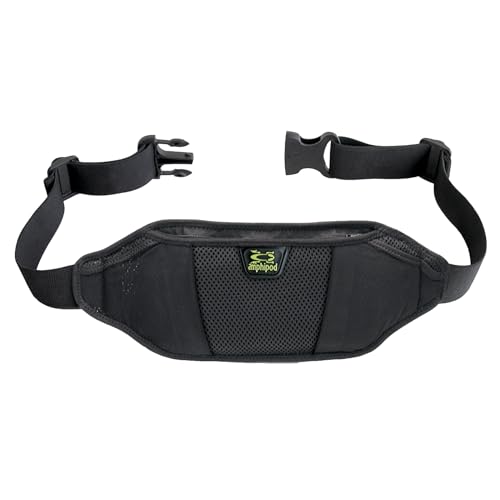
- 4.4-ounce bounce-free design
- Large compartment with multiple pockets
- Breathable, water-repellent construction
Best For: Ultramarathoners needing organized storage
Best Race-Day Features

- Side elastic loops
- Integrated race bib keepers
- Black and reflective silver finish
Best For: Race-day runners with a streamlined setup
Best for Gel Access
Fitletic Ultimate II Running Pouch
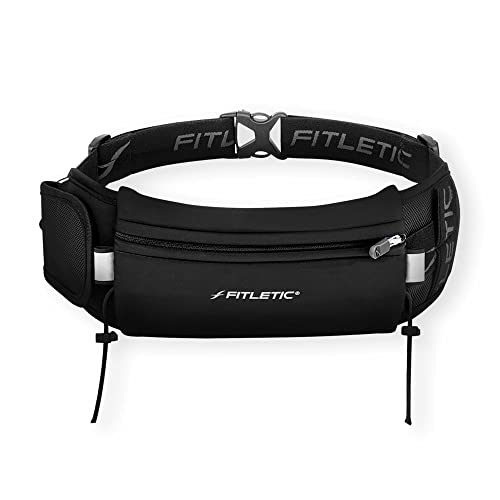
- Four integrated gel loops
- Fits iPhone 15 Pro Max
- Includes bib toggles and adjustable fit
Best For: Runners prioritizing quick nutrition access
Best Minimalist Design
Amphipod AirFlow Lite Waistpack

- Lightweight 3.3-ounce design
- Divided zippered storage
- Breathable, low-profile fit
Best For: Runners carrying only compact essentials
Best Everyday Organizer
WATERFLY 4-Pocket Running Belt

- Cushioned breathable back pad
- Four pockets with key clip
- Fits 34–50-inch waists
Best For: Everyday runs and organized phone carry
Best Hydration Pick
Osprey Duro Dyna Hydration Waist Pack

- Includes two 360 mL soft flasks
- Close-to-body, bounce-free design
- Six pockets and external loops
Best For: Trail runs and hydration-supported ultras
Best Race-Day Belt
WATERFLY Bib-Clip Running Belt
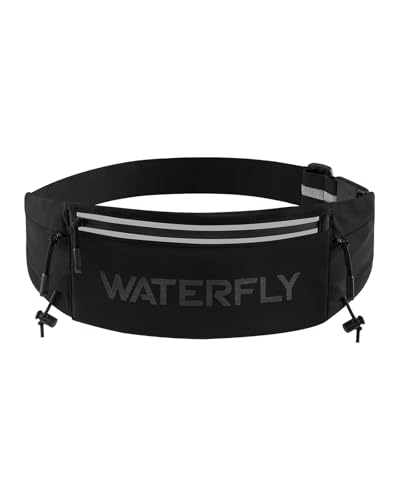
- Built-in marathon bib clip
- Fits phones up to 7 inches
- Breathable three-pocket design
Best For: Marathons, triathlons, and organized race storage
Reliable Phone-Carrying Pick
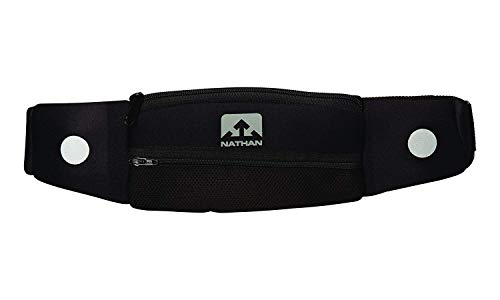
- Two zippered pockets for phone and small essentials
- Adjustable 26–44-inch fit with reflective detailing
- Lightweight 3.6-ounce neoprene construction
Best For: Minimal phone-and-key carry for everyday runners
High-Capacity Everyday Pick
WATERFLY Running Belt Fanny Pack

- Three pockets for phone, fuel-sized essentials, and accessories
- Lightweight breathable fabric with a 27–48-inch fit
- Reflective logo and headphone port for run-day convenience
Best For: Organized carry on training runs and longer outings
Ultralight Minimalist Pick

- 35-gram construction for low-weight carry
- Three described storage areas for phone, keys, and gels
- Water-resistant, reflective, and designed for a close fit
Best For: Weight-conscious runners carrying compact essentials
Best Overall Storage – Amphipod AirFlow Endurance Waistpack
For runners comparing running waist packs for ultramarathons, the Amphipod AirFlow Endurance Waistpack emphasizes bounce-free comfort, breathable materials, and more storage than a minimalist belt. Its zippered compartment, internal divider, and multiple quick-access pockets make it practical for carrying fuel and small essentials.
Best For: Ultramarathoners and endurance athletes who need organized storage without a bulky pack.
Pros:
- Lightweight 4.4-ounce design with a fully adjustable stretch-comfort belt.
- Large zippered compartment with divider plus quick-access pockets.
- AirFlow mesh helps circulate air and wick moisture.
- Water-repellent material and a low-profile quick-release buckle.
Cons:
- Hand-wash care is required.
- One-size construction may not suit every preferred fit.
This is a strong all-purpose option when an ultramarathon waist pack needs room for nutrition, electronics, and smaller essentials while maintaining breathable, non-chafing contact.
Best Race-Day Features – Nathan Marathon Pak 3.0
The Nathan Marathon Pak 3.0 is a streamlined choice among running waist packs for ultramarathons when race-focused details matter most. Its side elastic loops and race bib keepers support a clean setup for organized events, while the black and reflective silver design adds a visibility-oriented finish.
Best For: Race-day runners who value bib management and a simple one-pocket setup.
Pros:
- Includes side elastic loops for convenient race-day organization.
- Race bib keepers help secure bibs without separate accessories.
- Reflective silver detailing suits visibility-conscious runners.
Cons:
- Only one pocket is listed, limiting organization.
- The supplied specifications do not state water resistance or capacity.
Choose this pack when bib keepers and elastic loops are more important than extensive storage. Its limited listed pocket count makes it better suited to a pared-down race setup than a high-carry ultramarathon loadout.
Best for Gel Access – Fitletic Ultimate II Running Pouch
The Fitletic Ultimate II stands out among running waist packs for ultramarathons by combining a phone-friendly pouch with four gel loops and integrated bib toggles. Its adjustable 24- to 42-inch band is designed to sit snugly against the body, helping reduce bouncing and chafing during endurance activities.
Best For: Marathon and ultramarathon runners who want fast access to gels, a phone, and race essentials.
Pros:
- Four gel loops provide convenient nutrition access.
- Fits an iPhone 15 Pro Max and similar phones.
- Includes inner storage for ID, cards, and keys.
- Integrated bib toggles and a 24- to 42-inch adjustable band add race-day utility.
Cons:
- Its two-pocket layout offers less compartmentalization than larger waistpacks.
- Hand-wash care is required.
This is a practical pick for runners who want nutrition immediately available rather than tucked inside a larger compartment. The water-resistant construction adds useful protection, though it is not described as fully waterproof.
Best Minimalist Design – Amphipod AirFlow Lite Waistpack
For athletes seeking running waist packs for ultramarathons with minimal bulk, the Amphipod AirFlow Lite focuses on lightweight storage and breathable comfort. Its zippered compartment includes two internal dividers for separating nutrition, identification, cards, and keys without adding multiple exterior pockets.
Best For: Runners carrying a compact set of essentials who prefer a lightweight, low-profile waistpack.
Pros:
- Lightweight 3.3-ounce minimalist design.
- Zippered compartment with two internal dividers.
- Breathable 3D mesh and stretch-comfort belt help limit sweaty hot spots.
- Low-profile quick-release buckle supports easy on and off.
Cons:
- Listed as not water resistant.
- Smaller storage capacity may not suit runners carrying extensive fuel or gear.
- Hand-wash care is required.
The AirFlow Lite makes the most sense for shorter-load ultramarathon setups or runners who want to supplement their clothing and hydration system. Its compact format prioritizes freedom of movement over maximum capacity.
Best Everyday Organizer – WATERFLY 4-Pocket Running Belt
For runners comparing running waist packs for ultramarathons, the WATERFLY Running Belt is a practical choice when phone protection and organization matter more than carrying hydration. Its cushioned back pad, four pockets, and adjustable fit help keep daily essentials secure and comfortable.
Best For: Road runners, walkers, gym users, and commuters who need room for a large phone, keys, cards, and small essentials.
Pros:
- Cushioned, breathable back pad helps reduce rubbing and sweat buildup.
- Four pockets include a water-resistant zippered compartment and key clip.
- Fits 34–50-inch waists and includes reflective details for low-light visibility.
Cons:
- Does not include hydration flasks.
- Its phone-and-essentials layout may be less suitable for unsupported ultramarathons.
- Hand-wash care is required.
This belt is a strong everyday option for runners who want a slim, bounce-resistant pouch with flexible storage. For longer races, plan to pair it with separate hydration equipment.
Best Hydration Pick – Osprey Duro Dyna Hydration Waist Pack
Osprey Duro Dyna Hydration Waist Pack with Hydraulics Soft Flasks for Running, Seaweed Green/Limon
Check Price On AmazonAmong running waist packs for ultramarathons, the Osprey Duro Dyna stands out because hydration is built into the package. It includes two 360 mL Hydraulics soft flasks, close-to-body storage, and access points for trail-running essentials.
Best For: Trail runners and athletes who want waist-mounted hydration for training runs, races, or unsupported ultras.
Pros:
- Includes two 360 mL soft flasks for a total of 720 mL of included flask capacity.
- Close-to-body design is intended to reduce bounce while running.
- Six pockets plus external loops accommodate essentials, trekking poles, or wet clothing.
Cons:
- Its listed capacity is limited compared with larger hydration vests.
- More specialized than a simple phone-and-keys running belt.
- Reflective graphics improve visibility but do not replace lights in dark conditions.
The Duro Dyna is the most race-oriented option here, particularly for runners who prioritize accessible fluids without moving to a full vest. Its included flasks add useful value for longer efforts.
Best Race-Day Belt – WATERFLY Bib-Clip Running Belt
For runners seeking running waist packs for ultramarathons or shorter races, this WATERFLY model combines lightweight storage with a built-in marathon bib clip. Its three-pocket layout keeps a phone and small fuel items organized while the elastic strap provides a close fit.
Best For: Marathon and triathlon participants who need bib attachment, phone storage, and quick access to gels or keys.
Pros:
- Included clip attaches hole-punched race bibs.
- Water-resistant phone pocket fits phones up to 7 inches.
- Breathable, moisture-wicking mesh and reflective strips support long and low-light runs.
Cons:
- Fits a narrower 30–39-inch waist range.
- Three pockets provide less organization than the four-pocket WATERFLY belt.
- Does not include hydration flasks.
This is a focused race belt for runners who value bib convenience and lightweight storage. It works well for events where course aid supplies hydration, but longer unsupported efforts may require additional carrying capacity.
Reliable Phone-Carrying Pick – Nathan 5K Runner's Waist Pack
For runners comparing running waist packs for ultramarathons, the Nathan 5K Runner’s Waist Pack is a lightweight option focused on carrying a phone and small essentials. It has two external zippered pockets, an adjustable 26- to 44-inch strap, and reflective detailing for lower-visibility conditions.
Best For: Runners who want simple, lightweight phone and key storage with broad waist adjustability.
Pros:
- Two zippered pockets separate a phone from keys, cash, or other small items.
- Fits waists from 26 to 44 inches and accommodates a wide range of phone models.
- Lightweight 3.6-ounce neoprene construction includes reflective material.
- Designed to stay in place without bouncing during runs.
Cons:
- Its two-pocket layout may be limited for ultramarathon runners carrying multiple nutrition items.
- The notes do not specify a storage volume or dedicated hydration capacity.
This is a practical choice when phone access and minimal carry are the priority. For longer races requiring more fuel or gear, its compact storage may be less suitable than a higher-capacity pack.
High-Capacity Everyday Pick – WATERFLY Running Belt Fanny Pack
The WATERFLY Running Belt is a stronger fit for runners who need more organization in running waist packs for ultramarathons. Its three-pocket design provides room for a phone, keys, cards, headphones, an insulin pump, and other compact essentials, while the stretch strap is designed to minimize bounce.
Best For: Runners who need multiple pockets and a larger carry capacity for training, travel, or longer outings.
Pros:
- Three pockets provide more organization than a basic single-compartment belt.
- Main pocket fits phones of any size, according to the supplied product notes.
- Stretch technical fabric is lightweight, breathable, and sweat-wicking.
- Reflective branding, a slip-resistant buckle, and an earbud port add practical running features.
Cons:
- It is water resistant rather than described as fully waterproof.
- The listed fit begins at 27 inches and may not suit smaller waists.
With three pockets and a 27- to 48-inch adjustable fit, this belt offers useful versatility for runners carrying more than a phone and key. It remains a waist pack rather than a dedicated hydration or race-vest system.
Ultralight Minimalist Pick – Slim No-Bounce Running Belt
For runners prioritizing low weight, this slim belt is an appealing option among running waist packs for ultramarathons. It weighs 35 grams, uses stretchy Lycra fabric for a close fit, and provides space for a large phone, keys, AirPods, and energy gels.
Best For: Weight-conscious runners who want bounce-resistant storage for a phone and a few small race essentials.
Pros:
- Very light 35-gram design helps reduce extra carried weight.
- Three-pocket layout separates a large phone from keys, earbuds, and gels.
- Water-resistant fabric and zipper help protect items from rain and sweat.
- Reflective strips, an anti-slip design, and a double-lock buckle support secure running.
Cons:
- The 30- to 40-inch adjustable fit is narrower than some competing options.
- Its 0.5-liter storage volume may not be enough for extensive ultramarathon supplies.
- The supplied details list one pocket despite the product description describing three storage areas.
This belt is best suited to runners who value a barely-there feel and carry only compact essentials. Its modest 0.5-liter capacity makes it more appropriate for shorter supported races or as a supplemental pack for longer events.
How We Picked the Best Running Waist Packs for Ultramarathons
We evaluated these packs by the demands of long-distance running: stable fit, accessible storage, useful capacity, comfort during extended wear, and compatibility with essential race gear. We also considered whether each design suits minimalist efforts, supported races, or longer outings that require fluids and substantial nutrition.
Product descriptions and listed features were weighed alongside practical considerations such as adjustable sizing, reflective details, phone protection, gel loops, bib clips, and included soft flasks. Because body shape, clothing layers, and race requirements vary, no single waist pack is ideal for every ultrarunner.
Quick Comparison
- Best for hydration: Choose a waist pack designed around soft flasks if you want fluid capacity without wearing a vest.
- Best for gels and small essentials: Look for exterior loops, multiple compartments, and quick-access pockets.
- Best minimalist option: A slim belt can carry a phone, keys, cards, and a few gels with less bulk.
- Best for race visibility: Reflective accents and a bib clip are useful for early starts, evening finishes, and organized events.
Key Buying Factors for Running Waist Packs for Ultramarathons
Capacity and Organization
Estimate what you must carry between aid stations. A compact belt may be enough for a supported race, while a longer or remote event may require room for multiple gels, electrolytes, a phone, identification, keys, and an extra layer. Separate pockets help prevent nutrition from becoming difficult to find.
Hydration Needs
Check whether the pack includes soft flasks, accommodates your preferred bottles, or offers no dedicated hydration at all. Waist-mounted hydration can be convenient, but a fuller pack may feel heavier or move more than a running vest. Match capacity to aid-station spacing and your personal fluid plan.
Fit, Bounce, and Comfort
An adjustable belt should sit securely on your natural waist or hips without restricting breathing. Test it with the clothing you will wear on race day. A breathable back panel, smooth seams, and balanced loading can reduce heat buildup, pressure, and chafing during extended efforts.
Phone Protection and Visibility
If carrying a phone, confirm the pocket dimensions and closure style rather than relying only on a “phone holder” label. Water-resistant materials can help with sweat and light rain, while reflective elements improve visibility but do not replace a headlamp or safety lighting.
Who Should Buy Which Running Waist Packs for Ultramarathons?
Choose a hydration waist pack if you want hands-free fluids and enough space for nutrition on long training runs. Choose a gel-focused belt if aid stations handle hydration and fast access matters most. Choose a slim phone belt for shorter supported races, daily training, or runners who prefer minimal weight. Choose a bib-clip or reflective design if race organization and low-light visibility are priorities.