The best running hydration vests make it easier to carry water, fuel, and essentials without relying on aid stations or stuffing everything into pockets. The right design should stay secure, breathe well, and remain comfortable as your mileage increases.
We selected 10 running hydration vests and hydration packs spanning compact 500ml flask systems, larger bladder-equipped packs, adjustable fits, reflective details, and trail-ready storage. Use the guide below to narrow your options by distance, climate, and carrying needs.
Best 10 Running Hydration Vests Picks for 2026
Lightweight Capacity Pick

- Includes a 2L BPA-free bladder
- 8.5 oz nylon pack with breathable back
- Multiple pockets and adjustable straps
Best For: Longer runs and outdoor activities requiring extra storage
Minimalist Trail Performance Pick

- Two 500ml soft flasks included
- Stretch back panel helps reduce bounce
- Front pockets and lumbar pass-through storage
Best For: Trail and performance runners prioritizing stable flask access
Visibility and Organization Pick
SwiftVest Reflective Hydration Vest
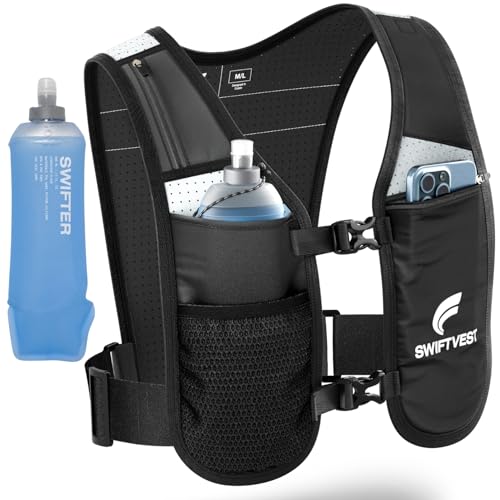
- Six pockets with waterproof phone pouch
- 500ml soft flask included
- Reflective front and back details
Best For: Everyday road runs and low-light training
Trail Storage Value Pick
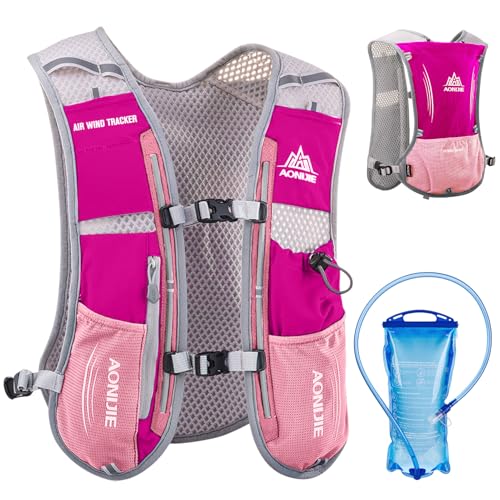
- Includes a 1.5L BPA-free bladder
- Seven pockets in a 5L design
- Reflective details and adjustable straps
Best For: Trail races, hiking, and runs needing moderate storage
Best Value
Zelvot 1L Running Hydration Vest
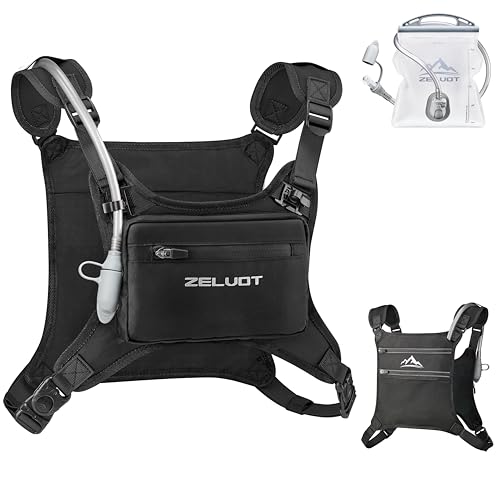
- 1L BPA- and PVC-free bladder
- Multiple zippered and rear storage pockets
- Adjustable fit with reflective details
Best For: Mid-distance runs, cycling, and hiking
Best Lightweight Fit
Nathan QuickStart 4L Hydration Vest
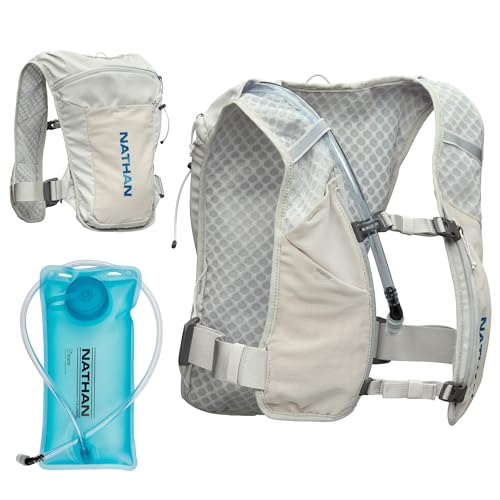
- 1.5L bladder with 4L total storage
- Moisture-wicking, chafe-free construction
- Adjustable straps designed to reduce bounce
Best For: Running, marathons, walking, and cycling
Best for Long Outings
Maelstrom 2L Hydration Backpack

- 2L BPA-free PEVA water bladder
- Four pockets plus helmet storage
- Ventilated back panel and reflective strips
Best For: Longer runs, cycling, hiking, and outdoor adventures
Best Lightweight Flask Vest
Zelvot 500ml Running Hydration Vest

- 500ml soft flask helps limit sloshing
- Nine pockets provide organized storage
- 7.5-ounce design with adjustable chest straps
Best For: Race-day runners and shorter training sessions
Best Ultralight Bladder Pack
INOXTO 1.5L Running Hydration Vest

- 1.5L bladder supports longer outings
- Approximately 140g ultralight construction
- Ventilated mesh, hip belt, and reflective trim
Best For: Runners and outdoor athletes needing more water with minimal weight
Best High-Capacity Pack
Criuage 2.0L Running Hydration Vest

- 2.0L BPA-free PEVA bladder
- Eight pockets for hydration and gear
- Adjustable, padded cross-body design
Best For: Long-distance activities requiring extra water and storage
Lightweight Capacity Pick – 12L Hydration Backpack
For runners who want more carrying room than a minimalist vest, this 12-liter option combines an included 2-liter bladder with multiple storage areas. Its lightweight nylon build, breathable back panel, and adjustable straps make it a practical choice among running hydration vests for longer outings and multi-sport use.
Best For: Runners, hikers, and cyclists who need generous storage and a larger water supply.
Pros:
- Includes a 2-liter BPA-free PEVA bladder.
- Lightweight 8.5-ounce design with waterproof, tear-resistant nylon.
- Adjustable shoulder and chest straps with a soft air-mesh back.
- Multiple pockets for a phone, keys, snacks, and small gear.
Cons:
- The 12-liter capacity may feel bulkier than a race-focused vest.
- Its listed sport applications extend beyond running, so the fit may be less specialized than dedicated running designs.
This is a strong pick when storage and bladder capacity matter more than carrying the absolute minimum. The one-year replacement coverage for quality issues and lifetime customer service add useful support.
Minimalist Trail Performance Pick – Osprey Duro LT Running Vest
The Osprey Duro LT is designed for runners who prefer streamlined hydration close at hand. It includes two 500-milliliter soft flasks, a stretch back panel, dual sternum straps, and front-access storage, making it one of the more purpose-built running hydration vests in this selection.
Best For: Trail runners and performance-focused runners who want bounce control and front-access hydration.
Pros:
- Includes two 500-milliliter Hydraulics soft flasks with stabilizers.
- 360-degree stretch back panel and dual sternum straps help limit bounce.
- Front stretch pockets and a pass-through lumbar pocket provide practical storage.
- Light 159-gram medium vest weight without flasks.
Cons:
- Total included water capacity is 1 liter, less than some bladder-based options.
- Men’s tailored fit is offered in three sizes, so careful chest measurement is important.
Choose this model when stable, accessible flask hydration is more important than maximum capacity. Its bluesign product designation may also appeal to shoppers considering production-related environmental and social criteria.
Visibility and Organization Pick – SwiftVest Reflective Hydration Vest
The SwiftVest emphasizes organized storage, visibility, and a snug fit for everyday running. It includes a 500-milliliter soft flask, six pockets, a waterproof zippered phone pouch, and reflective details, giving it a practical balance for runners who carry essentials during shorter training sessions.
Best For: Road runners and commuters who want phone protection, reflective details, and organized small-item storage.
Pros:
- Six pockets include a waterproof zippered phone compartment.
- Includes a compressible 500-milliliter/17-ounce soft flask.
- Reflective detailing appears on the front and back.
- Adjustable front and side straps, breathable material, and neoprene padding support a secure fit.
Cons:
- The 500-milliliter capacity is limited for longer runs without refill access.
- At 230 grams, it is heavier than the listed Osprey vest without flasks.
This is a sensible everyday option when carrying a phone and small accessories is as important as hydration. Three size ranges, including L-XL, make it more broadly adaptable for men and women.
Trail Storage Value Pick – Azarxis 5L Running Vest
The Azarxis running vest offers a middle ground between a compact race vest and a larger hydration backpack. Its 5-liter capacity, included 1.5-liter bladder, seven pockets, and adjustable chest and waist straps make it a versatile choice for trail runs, races, hiking, and cycling.
Best For: Runners and outdoor users who need moderate storage, bladder hydration, and an adjustable unisex fit.
Pros:
- Includes a 1.5-liter BPA-free PEVA bladder.
- Seven pockets provide space for water, a phone, keys, food, and other essentials.
- Lightweight mesh and nylon construction is designed for breathability.
- Reflective details improve visibility in low-light conditions.
Cons:
- The product notes specify a 1.5-liter bladder rather than the larger 2-liter capacity of some competitors.
- The 5-liter pack capacity offers less overall storage than the 12-liter model.
This vest is a practical compromise for runners who want more room than a minimalist design without moving to a full-size daypack. Adjustable chest and waist straps help keep the load from shifting across varied activities.
Best Value – Zelvot 1L Running Hydration Vest
The Zelvot is a practical choice among running hydration vests for mid-distance runs, cycling, and hiking. It includes a 1L bladder, multiple storage areas, and adjustable straps designed to help limit bounce while keeping essentials accessible.
Best For: Runners and outdoor users who want balanced hydration, storage, and visibility without the capacity of a larger pack.
Pros:
- Includes a BPA- and PVC-free 1L bladder with a high-flow bite valve.
- Offers front zippered pockets, large back pockets, and a hidden rear pocket.
- Adjustable shoulder straps and waist belt help distribute weight and reduce shifting.
- Reflective details, breathable mesh, and water-resistant nylon support outdoor use.
Cons:
- The 1L bladder is smaller than the 1.5L and 2L options in this roundup.
- The listed chest fit range is 29 to 41 inches, so sizing flexibility may be limited for some users.
Choose the Zelvot if you want a compact, storage-friendly vest with enough water for moderate outings and useful low-light visibility features.
Best Lightweight Fit – Nathan QuickStart 4L Hydration Vest
The Nathan QuickStart is a lightweight running hydration vest built for movement, with a 1.5L bladder, 4L of total storage, and moisture-wicking materials. Adjustable front and side straps are intended to create a secure fit for running, walking, marathons, and cycling.
Best For: Runners who want a lightweight, adjustable pack with more storage than a minimal hydration vest.
Pros:
- Includes a 1.5L bladder while providing 4L of total pack storage.
- Front pockets offer quick access to running essentials.
- Moisture-wicking stretch fabric, chafe-free binding, and breathable mesh shoulder straps support comfort.
- Adjustable front and side straps are designed to reduce bounce.
Cons:
- The 4L storage capacity may be more than needed for short, minimalist runs.
- The supplied specifications identify it as one-size-fits-most rather than listing a detailed size range.
With its balance of packable storage and moderate bladder capacity, the QuickStart suits runners who need room for essentials without stepping up to a larger hydration backpack.
Best for Long Outings – Maelstrom 2L Hydration Backpack
The Maelstrom offers the largest bladder in this selection of running hydration vests, with a 2L BPA-free PEVA reservoir and four storage pockets. Its ventilated back panel, insulated bladder sleeve, helmet clips, and reflective strips make it suited to varied outdoor activities.
Best For: Longer runs, rides, hikes, and outdoor users who prioritize hydration capacity and versatile storage.
Pros:
- Includes a 2L BPA-free PEVA water bladder.
- Aluminum-lined bladder sleeve is designed to provide insulation and leak protection.
- Four storage pockets, helmet clips, and hose ports support practical outdoor use.
- Adjustable chest straps span 22.4 to 61 inches, and reflective strips improve visibility.
Cons:
- At 1.1 pounds, it is heavier than the Nathan QuickStart without its bladder.
- The backpack-style design may feel less minimal than a compact running vest.
The Maelstrom is a strong capacity-focused option when 1L to 1.5L systems may not be enough, especially for users who also want helmet storage and broader outdoor versatility.
Best Lightweight Flask Vest – Zelvot 500ml Running Hydration Vest
For runners who prefer a lightweight, close-fitting option, the Zelvot is one of the more versatile running hydration vests in this lineup. It includes a 500ml BPA- and PVC-free soft flask, quick-access pockets, reflective details, and three adjustable chest straps for a more secure fit.
Best For: Race-day runners and shorter training sessions where lightweight, hands-free hydration and organized storage are priorities.
Pros:
- Includes a 500ml soft flask designed to shrink as you drink, helping reduce sloshing.
- Offers seven front pockets and two large rear pockets, including a hidden zippered phone pocket.
- Lightweight 7.5-ounce neoprene construction includes ventilation and reflective accents.
- Three adjustable chest straps provide a customizable unisex fit.
Cons:
- The 500ml capacity is smaller than a bladder-style pack, so it may not suit long unsupported outings.
- Fit depends on careful chest measurement rather than usual clothing size.
The Zelvot stands out when you want minimal bulk without giving up storage. Its smaller reservoir makes it better suited to shorter runs or routes with refill points, while the pocket layout is useful for carrying gels, a phone, keys, and other essentials.
Best Ultralight Bladder Pack – INOXTO 1.5L Running Hydration Vest
The INOXTO is a practical choice among running hydration vests if you want more water capacity without moving to a bulky daypack. Its 1.5-liter bladder, ventilated mesh back, adjustable shoulder straps, and hip belt are designed for running, cycling, hiking, and other active outings.
Best For: Runners and outdoor athletes who need a larger water supply in a compact, ultralight pack.
Pros:
- Includes a 1.5-liter water bladder for longer outings between refills.
- Weighs approximately 140 grams and uses ventilated mesh to improve airflow.
- Adjustable shoulder straps and hip belt help customize the fit.
- Front pockets accommodate items such as gels, a phone, keys, and a towel, while reflective trim supports nighttime visibility.
Cons:
- Its four-pocket layout provides less storage than the larger multi-pocket options in this roundup.
- The listed design centers on a bladder rather than included soft flasks for front-pocket hydration.
Choose the INOXTO when water capacity and low weight matter more than extensive organization. It offers a balanced middle ground for trail runs, races, and cycling trips, with enough adjustment to help limit movement during activity.
Best High-Capacity Pack – Criuage 2.0L Running Hydration Vest
The Criuage is a high-capacity option for runners who need substantial hydration and room for extra gear. This running hydration vest includes a 2.0-liter BPA-free PEVA bladder, eight pockets, adjustable cross-body straps, and a water-resistant nylon construction.
Best For: Long-distance runners, hikers, and cyclists carrying more water, clothing, snacks, or equipment.
Pros:
- 2.0-liter BPA-free PEVA bladder provides the largest stated water capacity in this group.
- Eight pockets divide storage between four front-facing and four back pockets.
- Adjustable straps and wide mesh shoulder padding are designed to improve comfort and reduce movement.
- Water-resistant material supports use across running, hiking, cycling, and travel.
Cons:
- At approximately 750 grams, it is substantially heavier than the INOXTO.
- Its larger 5-liter stated pack capacity may feel more substantial for short runs.
- The cross-body design may appeal less to runners who prefer a minimal vest profile.
The Criuage makes the most sense when a 2.0-liter reservoir and generous storage outweigh concerns about pack weight. It is better suited to longer or gear-intensive outings than quick road runs where a smaller flask vest would be simpler.
How We Picked These Running Hydration Vests
We focused on the features that matter most while running: hydration capacity, stability, adjustability, ventilation, pocket access, visibility, and overall versatility. The selection includes vest-style packs with soft flasks, bladder-compatible designs, and larger daypack formats for longer trail runs or mixed outdoor use.
We also considered whether each option can carry practical essentials such as a phone, keys, gels, a light layer, and identification. Since body shape and running preferences vary, no single vest is ideal for everyone; fit and intended distance should guide the final choice.
Quick Comparison
| Best for | Look for | Typical capacity |
|---|---|---|
| Short road runs | Lightweight vest, soft flask, phone pocket | 500ml–1L |
| Long training runs | Adjustable fit, multiple pockets, bladder or flask compatibility | 1L–2L |
| Trail running | Secure storage, higher capacity, reflective accents | 1.5L–2L+ |
| Running and hiking crossover | Room for layers, durable materials, insulated storage | 1.5L–5L pack volume |
Key Buying Factors for Running Hydration Vests
Hydration System and Capacity
Soft flasks are convenient for shorter runs and are often easy to reach while moving. A hydration bladder holds more water and can be better for long or remote routes, but it may take more effort to clean and refill. For warm weather, choose enough capacity for your route without overloading the vest.
Fit and Bounce Control
Look for adjustable chest straps, broad size coverage, and a close fit that does not restrict breathing. A vest that shifts with every stride can cause rubbing, noise, and shoulder fatigue. Test the fit with a full reservoir or loaded pockets, because added weight changes how the pack sits.
Storage and Access
Accessible front pockets are useful for gels, phones, keys, and small safety items. Check whether the phone compartment fits your device and whether you can reach the bottle or flask without stopping. Larger back compartments are valuable for layers and longer outings, but they add bulk.
Breathability and Visibility
Mesh panels and moisture-wicking materials can improve comfort in warm conditions. Reflective details are helpful for dawn, dusk, and low-light running, although they do not replace a headlamp or appropriate safety gear.
Who Should Buy Which Running Hydration Vests?
Choose a compact 500ml or 1L vest if you mainly run short to medium distances and want minimal weight. A 1.5L–2L bladder vest is a better match for long training sessions, hot-weather routes, or areas with limited water access. Trail runners and hikers should prioritize stable adjustment, extra storage, and durable construction over the absolute lightest design.
If you carry only water, a streamlined vest with a front flask may be enough. If you need fuel, a phone, a light jacket, and safety gear, choose a model with several accessible pockets and room to distribute the load. Whichever option you select, fill it before your first long run and adjust the straps to eliminate movement and pressure points.