Film photography rewards careful preparation, and the right backpack makes it easier to protect cameras, lenses, rolls, and everyday travel essentials in one organized carry system.
These 10 travel backpacks for film photographers span compact daypacks, weather-conscious packs, expandable storage, and convertible rolling designs, helping you match capacity and comfort to the way you shoot.
Best 10 Travel Backpacks for Film Photographers Picks for 2026
Maximum Carry
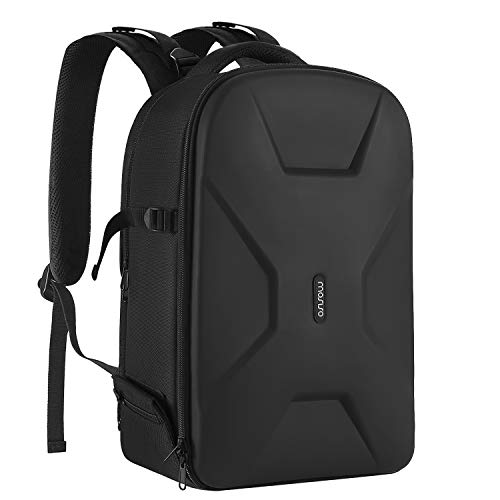
- 35L capacity with adjustable padded dividers
- Fits laptops up to 16 inches
- Tripod holder and trolley belt for travel
Best For: Photographers carrying a large, varied kit
Quick-Access Pick
K&F CONCEPT 20L Camera Backpack

- Side access for faster gear retrieval
- Holds one camera and four lenses
- Includes laptop and tripod storage
Best For: Photographers who prioritize access and organization
Flexible Heavy Kit

- 22L layout for long lenses and two cameras
- Removable compartments support DIY organization
- Bottom tripod strap and side camera access
Best For: Photographers with long lenses and changing kits
Minimalist Daypack

- Lightweight 15L design for focused kits
- Back-panel access while wearing the pack
- Two-liter personal gear pocket
Best For: Photographers who want a slim daypack
Best Hybrid Travel Pick
PGYTECH 2-in-1 Roller Camera Backpack

- Converts from spinner roller to backpack
- Customizable dividers and expandable front compartment
- Rain cover, laptop sleeve, and AirTag pocket
Best For: Mixed-surface travel with flexible carry options
Best Lightweight Hiking Option
Lowepro Flipside Trek BP 250 AW

- Comfort-focused ActiveZone suspension system
- Separate camera and open storage compartments
- Rear access and padded tablet sleeve
Best For: Compact camera kits on hikes and day trips
Best Capacity on a Budget
BAGSMART Large Camera Backpack

- 25-liter two-zone storage layout
- Fits a DSLR, telephoto lens, and 3–5 standard lenses
- Removable dividers, rain cover, and luggage strap
Best For: Photographers carrying gear and personal items together
Best Rolling Carry-On

- 50L capacity with 11 adjustable dividers
- Converts between rolling case and backpack
- Fits up to a 17-inch laptop and includes rain cover
Best For: Large camera kits and airport travel
Best Organized Daypack

- Adjustable three-tiered camera storage
- Side access and full front opening
- 15.6-inch laptop sleeve with rain cover
Best For: Day trips and organized outdoor photography
Best Weatherproof Rolltop

- Waterproof tarpaulin with water-resistant zippers
- Expandable by 5–7L for personal items
- Padded storage for two cameras and four to five lenses
Best For: Wet-weather hikes and rugged travel photography
Maximum Carry – MOSISO Camera Backpack
For photographers who need a high-capacity option among travel backpacks for film photographers, the MOSISO Camera Backpack combines a large padded camera compartment with room for a laptop and travel accessories. Its removable dividers let you adjust the interior for different camera bodies, lenses, flashes, or a drone.
Best For: Film photographers carrying multiple camera items, a laptop, and travel accessories on longer trips.
Pros:
- 35-liter capacity with adjustable padded modular inserts.
- Separate compartment fits laptops up to 16 inches.
- Includes tripod or monopod storage, accessory pockets, and a trolley belt.
- Waterproof PU leather front and foam padding add protection against weather and drops.
Cons:
- At 3.2 pounds, it is heavier than a minimalist daypack.
- The large rectangular design may feel bulky for compact everyday carry.
The MOSISO is a practical choice when storage and organization matter more than keeping your load especially light. Its flexible dividers and travel-focused features make it well suited to photographers carrying a varied kit.
Quick-Access Pick – K&F CONCEPT 20L Camera Backpack
The K&F CONCEPT 20L is a balanced choice for travel backpacks for film photographers who want organized camera storage without a very large pack. It offers side access for quick shooting, a full-opening back panel for setup, and space for a camera, four lenses, a tripod, and personal items.
Best For: Urban and outdoor photographers who value quick gear access and organized packing.
Pros:
- Main compartment can hold one camera, four lenses, a tripod, and accessories.
- Side access allows gear retrieval without removing the backpack.
- Dedicated laptop compartment fits devices up to 15.6 inches.
- Waterproof nylon, reinforced stitching, and EPE foam padding support gear protection.
Cons:
- The 20-liter capacity is less generous than larger camera backpacks.
- At about 1.55 kg, it is not the lightest option in this group.
This pack offers a useful middle ground between camera organization and travel portability. Its side-entry design is particularly helpful when you need to reach a camera quickly while moving through a city or outdoor location.
Flexible Heavy Kit – ULANZI 22L Camera Backpack
The ULANZI 22L is designed for photographers who need adaptable storage in travel backpacks for film photographers. Its seven removable camera compartments can be rearranged or removed, while the interior accommodates multiple long lenses, a laptop or tablet, and small accessories.
Best For: Photographers carrying longer lenses or changing their setup between camera trips and everyday travel.
Pros:
- 22-liter capacity can accommodate two long-lens cameras and four additional long lenses.
- Removable dividers convert the bag into a simpler everyday backpack.
- Dedicated laptop or tablet space supports devices up to 15.6 inches.
- Bottom tripod strap preserves balance, while the side zipper provides camera access.
Cons:
- At 3.8 pounds, it is relatively heavy before adding equipment.
- It is water-resistant and rainproof by description, but the supplied notes do not specify a waterproof rating.
ULANZI’s strongest advantage is its configurable interior. It makes sense for photographers whose equipment changes from one outing to the next, especially those carrying longer lenses and needing a bag that can transition into everyday use.
Minimalist Daypack – Think Tank Backlight Sprint
The Think Tank Backlight Sprint is a slim, lightweight option among travel backpacks for film photographers who prefer a compact kit. Its 15-liter design provides back-panel camera access, a two-liter front pocket for personal gear, and a simple tripod-carry setup.
Best For: Minimalist photographers taking a focused camera setup on day trips, hikes, or city walks.
Pros:
- Lightweight 2-pound, 5-ounce construction is easier to carry.
- Back-panel access lets you reach camera gear without removing the pack.
- Two-liter front pocket provides space for personal items.
- Tripod can be carried on either side using the pocket and compression straps.
Cons:
- 15-liter capacity is smaller than the other options in this roundup.
- Only three pockets and one listed compartment may limit organization for larger kits.
This is the most travel-friendly choice for keeping weight and bulk down. It is better suited to a streamlined camera load than to photographers carrying several lenses, extensive accessories, or substantial personal gear.
Best Hybrid Travel Pick – PGYTECH 2-in-1 Roller Camera Backpack
For film photographers who want flexible travel backpacks for film photographers, the PGYTECH combines a rolling suitcase setup with backpack carry. Its customizable divider system can help organize camera equipment, while the expandable front compartment gives you room for clothing or larger accessories.
Best For: Travelers who want one bag for smooth airport floors and more demanding outdoor routes.
Pros:
- Converts between spinner roller and backpack modes.
- DIY dividers help tailor the main compartment to your equipment.
- Expandable 10L front compartment, side pockets, rain cover, and hidden AirTag pocket add travel practicality.
- Fits a laptop up to 16 inches and offers 20 liters of storage.
Cons:
- At 7.9 pounds, it is relatively heavy before adding gear.
- Its 20-liter capacity may be limiting for photographers carrying extensive film and accessories.
This is a particularly versatile choice when your itinerary mixes airports, city streets, and uneven outdoor locations. The rolling design reduces strain on flat surfaces, while the backpack mode adds flexibility when wheels are impractical.
Best Lightweight Hiking Option – Lowepro Flipside Trek BP 250 AW
The Lowepro Flipside Trek BP 250 AW is a streamlined option among travel backpacks for film photographers, especially for hikes and day trips. It separates camera equipment from open storage and uses a rear-access design so you can reach gear without setting the pack on the ground.
Best For: Photographers who prioritize comfortable day hiking and quick access to a compact camera kit.
Pros:
- ActiveZone suspension system and padded straps are designed for all-day comfort.
- Split camera and open-space compartments keep equipment and personal items separate.
- Flipside access allows gear retrieval while wearing the backpack.
- Includes a padded CradleFit tablet compartment and external attachment points.
Cons:
- The listed internal dimensions indicate a smaller camera compartment than larger travel packs.
- Its water resistance is specified as water resistant rather than waterproof.
- It offers less capacity and organization for extensive film supplies or personal luggage.
Choose this Lowepro when mobility and access matter more than maximum packing space. Its hiking-oriented suspension and compact split-compartment layout make it well suited to carrying a focused kit on trails or day excursions.
Best Capacity on a Budget – BAGSMART Large Camera Backpack
The BAGSMART Camera Backpack is a practical choice for film photographers comparing travel backpacks for film photographers with room for personal items. Its 25-liter layout combines an upper storage compartment with a lower camera zone, and removable dividers let you adjust the interior for different equipment loads.
Best For: Travelers carrying a DSLR-style kit, several lenses, clothing, and a laptop in one backpack.
Pros:
- Lower camera zone accommodates one DSLR with a 70–200mm lens attached plus 3–5 standard lenses.
- Upper compartment provides space for clothing or other personal belongings.
- Removable padded dividers allow the bag to convert into a daily laptop backpack.
- Side access, rain cover, lockable zippers, and luggage-handle straps support travel use.
Cons:
- At 1,400 grams, it is not the lightest option for long walks.
- The listed laptop compartment fits up to 15 inches, smaller than the PGYTECH’s stated laptop capacity.
- Its water protection is described as water resistant with a rain cover, not fully waterproof.
With 25 liters of storage, this BAGSMART offers the most room of the three for combining photography equipment and everyday travel items. It is a strong fit when adaptable organization and luggage compatibility are more important than minimizing pack weight.
Best Rolling Carry-On – Convertible Camera Backpack
NEEWER Convertible Rolling Camera Backpack for SLR/DSLR and Accessories | NW3300, Black
Check Price On AmazonFor film photographers who need substantial storage and flexible airport transport, the NEEWER convertible rolling camera backpack is a practical option among travel backpacks for film photographers. Its rolling suitcase format, backpack straps, and adjustable interior make it suited to carrying a larger camera kit.
Best For: Travelers with extensive camera gear who want both wheels and backpack carry options.
Pros:
- 50-liter capacity with 11 adjustable dividers for cameras, lenses, flashes, and accessories.
- Four wheels, a telescopic handle, and padded shoulder straps support flexible transport.
- Fits a laptop up to 17 inches and includes tripod, pocket, and mesh storage.
- Water-resistant nylon and an included rain cover add weather protection.
Cons:
- At 4.15 kg, it is relatively heavy before adding equipment.
- Its large dimensions may be cumbersome in crowded spaces, even though they are designed to fit most overhead bins.
This is the most luggage-like choice of the three, making it useful for photographers moving a sizable kit through airports or between locations. Choose it when maximum capacity and rolling convenience matter more than a lightweight carry.
Best Organized Daypack – 25L Camera Backpack
The K&F CONCEPT 25L camera backpack balances structured organization with a relatively lightweight design, making it a sensible pick among travel backpacks for film photographers. Its three-tiered interior can be adjusted for cameras, lenses, and personal gear, while side access helps you reach equipment quickly.
Best For: Photographers who want customizable organization for day trips, travel, and outdoor shooting.
Pros:
- Three-tiered compartmentalization accommodates cameras, lenses, and some larger gear such as a 200mm lens or Mavic Air 2 drone.
- Quick side access and a fully opening front simplify gear organization and retrieval.
- Includes a padded laptop compartment for devices up to 15.6 inches.
- Rain cover, padded back, and tripod or bottle storage support outdoor use.
Cons:
- The bag does not include a chest strap.
- Its 25-liter capacity is more limited than a large rolling camera backpack.
With a 1.51 kg weight and adaptable compartments, this bag is a balanced choice for photographers who want a manageable travel pack without giving up dedicated camera organization. It is especially practical for shorter outings and mixed camera-and-personal loads.
Best Weatherproof Rolltop – Waterproof Camera Backpack
For photographers working in wet conditions, the Besnfoto rolltop offers strong weather protection and flexible capacity in a travel-ready format. It stands out among travel backpacks for film photographers with waterproof tarpaulin construction, expandable storage, and access points designed for quick equipment retrieval.
Best For: Outdoor and travel photographers who prioritize weather protection, comfort, and expandable storage.
Pros:
- Waterproof tarpaulin, water-resistant YKK zippers, and an included rain cover protect gear in wet weather.
- Expandable rolltop adds 5 to 7 liters for clothing, snacks, or other personal items.
- Seven padded dividers can hold two cameras, four to five lenses, a drone, and accessories.
- Side access, rear opening, laptop sleeve, tripod holder, and chest and waist belts improve travel usability.
Cons:
- At 23 liters, its listed storage volume is smaller than the NEEWER rolling backpack.
- The heavier-duty construction may feel less lightweight than a minimalist daypack.
This pack is a strong fit for hikes, unpredictable weather, and airport travel where protection and carrying comfort are priorities. The expandable rolltop also gives film photographers useful room for personal items without sacrificing padded camera storage.
How We Picked These Travel Backpacks for Film Photographers
We selected bags based on the practical demands of film travel: protective camera storage, flexible dividers, usable capacity, carry comfort, weather resistance, laptop or tablet accommodation, and access to frequently used gear. The lineup includes compact packs for day trips, larger bags for multiple lenses and accessories, and roller-backpack hybrids for photographers who want to reduce shoulder strain.
Because film equipment varies widely, check the listed dimensions and insert configuration before buying. A bag that fits a digital body may not provide the right clearance for a larger medium-format camera, motor drive, light meter, or film-changing accessories.
Quick Comparison
| Best For | Look For | Recommended Style |
|---|---|---|
| Light day trips | Low weight and streamlined storage | Slim camera daypack |
| General travel | Balanced capacity and laptop space | 20L–25L camera backpack |
| Wet or unpredictable weather | Water-resistant fabric or rain cover | Weather-conscious backpack |
| Heavy equipment | Reinforced dividers and suspension | Large-capacity camera pack |
| Airports and long walks | Wheels plus backpack straps | Convertible roller backpack |
Key Buying Factors for Travel Backpacks for Film Photographers
Protection and Internal Layout
Look for padded, adjustable dividers that can separate a film body, lenses, flash, light meter, and spare accessories. A fully customizable compartment is more useful than a large but poorly organized cavity. Soft, removable inserts can also create room for clothing or personal items when you are carrying less equipment.
Capacity Without Excess Bulk
Twenty-liter bags often suit a compact camera kit and personal essentials, while 22L–25L designs offer more room for several lenses, film, batteries, and a tablet or laptop. Larger capacity is not always better: an overfilled pack can become uncomfortable and may encourage rough handling of delicate gear.
Comfort, Access, and Security
Adjustable shoulder straps, a supportive back panel, sternum or waist straps, and sensible weight distribution matter on walking-heavy trips. Back-access or side-access designs can make equipment safer in crowded places, while quick-access openings help when a shot cannot wait.
Weather and Travel Features
Water-resistant materials, sealed or covered zippers, and an included rain cover add useful protection, but they do not make film completely safe from extreme moisture or heat. For air travel, confirm the external dimensions, overhead-bin practicality, and whether the bag has a luggage pass-through or trolley-compatible design.
Who Should Buy Which Travel Backpacks for Film Photographers?
Choose a slim, lightweight daypack if you carry one camera, a few lenses, and minimal personal gear. A 20L–25L backpack is the better all-purpose choice for photographers who need room for multiple lenses, film, and a tablet. Travelers working in changing conditions should prioritize weather protection and a rain cover.
If your kit is heavy or you spend long periods moving through airports, a convertible roller backpack can reduce shoulder fatigue while preserving backpack flexibility. For photographers carrying especially valuable equipment in crowded environments, prioritize discreet styling, secure access, and a snug internal layout over maximum capacity.