Finding trail shoes that feel secure without restricting your stride can be difficult when you overpronate. Uneven ground adds another challenge, making stability, cushioning, traction, and fit especially important.
We’ve gathered 10 trail-ready options from Brooks, ASICS, New Balance, ALTRA, and Saucony to help you narrow the field by terrain, mileage, foot shape, and running style.
Best 10 Trail Running Shoes for Overpronation Picks for 2026
Mountain Stability Pick

- Adaptive Trail Adapt System
- Soft, responsive DNA LOFT v3 cushioning
- Grippy outsole and protective upper
Best For: Rugged mountain trails and runners wanting adaptable stability
Plush Trail Support Pick
New Balance Fresh Foam X Hierro V9

- Dual-density cushioning with a firmer base
- Vibram Megagrip and deep 6mm lugs
- Toe protection and debris-resistant upper
Best For: Cushioned trail running on rocky and wet terrain
Natural-Fit Trail Pick
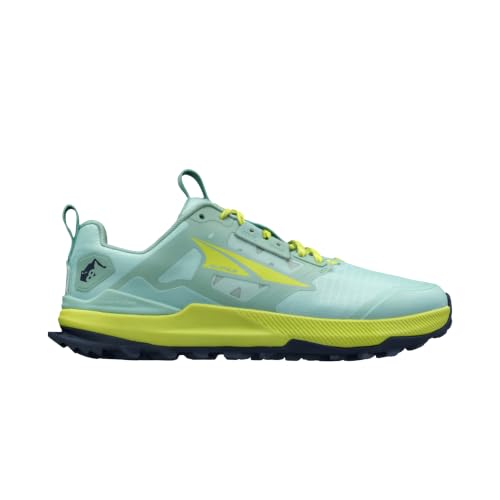
- Roomy eNatural Fit toe box
- MaxTrac outsole with TrailClaw lugs
- 25mm stack with Altra EGO foam
Best For: Long trail runs and hikers who prefer natural toe spread
Efficient Cushioning Pick

- GUIDESOLE design reduces ankle flexion
- Maximum FF BLAST PLUS cushioning
- ASICSGRIP traction across varied terrain
Best For: Cushioned trail runs where shock absorption matters
Maximum Cushion Trail Comfort

- Plush DNA LOFT v3 cushioning for long trail outings
- Raised sidewalls and widened base add stability
- Neutral design; verify support needs for overpronation
Best For: Distance trail runners seeking maximum cushioning on rugged terrain
Responsive Rocky-Trail Protection

- FF BLAST MAX foam delivers soft, responsive cushioning
- Flexible rock plate protects against rugged terrain
- Neutral design with strong ASICSGRIP traction
Best For: Trail runners wanting responsive cushioning and rock protection
Versatile All-Terrain Grip

- Maximum DNA LOFT v3 cushioning for uneven trails
- 3mm TrailTack Green lugs grip wet and dry surfaces
- Secure heel and adjustable midfoot fit; neutral support
Best For: Outdoor runners wanting cushioned comfort and versatile trail traction
Reliable Trail Value

- Carbon-rubber lugs for trail traction
- Moderate VERSARUN cushioning
- Supportive, debris-blocking mesh upper
Best For: Everyday trail running and hiking
Maximum Cushioning Pick

- Maximum EVA foam cushioning
- Roomy FootShape toe box
- Vibram Megagrip for wet and dry traction
Best For: Comfort-focused trail outings
Lightweight Everyday Option

- Moderate VERSARUN cushioning
- Carbon-rubber lugs for traction
- Breathable, flexible, lightweight design
Best For: Regular trail running and sport use
Mountain Stability Pick – Brooks Cascadia 19
Brooks Women’s Cascadia 19 Mountain Trail Running Shoe - Coconut/Misty Blue/Ebony - 9.5 Medium
Check Price On AmazonFor runners comparing trail running shoes for overpronation, the women’s Brooks Cascadia 19 emphasizes stability through its adaptive Trail Adapt System rather than dedicated pronation correction. Its DNA LOFT v3 cushioning, protective upper, and grippy outsole make it a practical option for varied mountain terrain.
Best For: Trail enthusiasts who want an adaptable, protective shoe for rugged and uneven mountain routes.
Pros:
- Trail Adapt System and articulated Ballistic Rock Shield support an adaptive, stable ride.
- DNA LOFT v3 cushioning provides a soft, responsive feel in the heel and forefoot.
- TrailTack Green outsole offers traction on wet and dry terrain.
- Reinforced toe cap, mudguard, and durable mesh help protect against trail debris.
Cons:
- Listed with neutral, not corrective, pronation support.
- Not water resistant.
The Cascadia 19 is a strong stability-minded trail option for overpronation shoppers who prioritize adaptability and protection, but runners needing explicit motion-control features should compare its neutral design with their individual support needs.
Plush Trail Support Pick – New Balance Fresh Foam X Hierro V9
The New Balance Fresh Foam X Hierro V9 is worth considering among trail running shoes for overpronation if you prefer cushioning with a firmer stabilizing layer. Its dual-density midsole, deep lugs, and protective construction are suited to wet, dry, and technical trail conditions, though the shoe is listed as neutral.
Best For: Trail runners seeking maximum cushioning, dependable grip, and added protection on rocky terrain.
Pros:
- Dual-density Fresh Foam X combines a softer top layer with a firmer bottom layer for cushioning and stability.
- Vibram Megagrip outsole with 6mm lugs supports traction on wet and dry surfaces.
- Reinforced toe cap helps shield against rocks, roots, and debris.
- Breathable knit upper and gusseted tongue help manage airflow and keep debris out.
Cons:
- Listed with neutral pronation correction rather than dedicated overpronation control.
- At about 1 pound per shoe listing, it may feel substantial to runners seeking a lighter trail shoe.
With its firmer lower midsole layer and secure construction, the Hierro V9 offers useful stability-related qualities without being a corrective shoe. It is best matched to runners who value plush comfort and traction over a specifically posted motion-control platform.
Natural-Fit Trail Pick – ALTRA Women’s Lone Peak 8
The ALTRA Women’s Lone Peak 8 takes a different approach for shoppers evaluating trail running shoes for overpronation: it focuses on a roomy toe box and natural toe spread rather than posted pronation correction. Its MaxTrac outsole, TrailClaw lugs, and 25mm stack provide traction and moderate-to-maximum cushioning for longer adventures.
Best For: Runners who want a roomy, natural-fitting trail shoe for hiking and long trail outings.
Pros:
- eNatural Fit toe box allows the toes to relax and spread naturally.
- MaxTrac outsole and multidirectional TrailClaw lugs provide grippy trail traction.
- 25mm stack height and Altra EGO foam offer cushioning for long runs.
- Refined upper is designed for durability.
Cons:
- Listed with neutral pronation correction, so it does not provide dedicated overpronation control.
- The roomy toe box may not suit runners who prefer a close-fitting forefoot.
The Lone Peak 8 can make sense when comfort, toe freedom, and trail grip matter more than structured correction. Because it is a neutral shoe, runners with significant overpronation should assess whether its natural-fit platform provides enough support for their gait.
Efficient Cushioning Pick – ASICS Trabuco MAX 5
The ASICS Trabuco MAX 5 is a highly cushioned option for those comparing trail running shoes for overpronation, with GUIDESOLE technology designed to reduce ankle flexion and absorb shock. It is listed as neutral rather than corrective, but its curved sole, FF BLAST PLUS foam, and ASICSGRIP outsole support an easier-feeling trail stride.
Best For: Trail runners wanting maximum cushioning, a rocker-like sole design, and grip across varied terrain.
Pros:
- GUIDESOLE curved sole helps reduce ankle flexion and absorb shock.
- FF BLAST PLUS foam combines cloud-like cushioning with a responsive ride.
- ASICSGRIP rubber outsole provides traction across a variety of terrain.
- Engineered mesh upper includes water-repellent processing.
Cons:
- Listed with neutral pronation correction instead of dedicated motion control.
- The maximum-cushioning design weighs about 1.5 pounds per pair listing, which may not appeal to runners seeking a lighter shoe.
- Listed as not water resistant despite the water-repellent upper processing.
The Trabuco MAX 5 is a compelling comfort-focused choice when reducing ankle flexion and maximizing cushioning are priorities. For overpronation specifically, treat its GUIDESOLE design as a stride-support feature, not a substitute for a purpose-built corrective shoe.
Maximum Cushion Trail Comfort – Brooks Women’s Caldera 8
Brooks Women’s Caldera 8 Ultra Trail Running Shoe - Black/Blackened Pearl/White - 7.5 Medium
Check Price On AmazonFor runners comparing trail running shoes for overpronation, the Brooks Women’s Caldera 8 offers a highly cushioned, protective platform for long outings. Its raised sidewalls, widened base, and flexible outsole grooves add stability, although the shoe is listed with neutral pronation correction rather than dedicated overpronation support.
Best For: Distance trail runners who prioritize plush cushioning and added security on rugged terrain.
Pros:
- High-stack nitrogen-infused DNA LOFT v3 cushioning helps soften rocky, root-filled trails.
- Raised sidewalls and a widened base support more stable landings.
- Breathable upper materials help with ventilation and moisture management.
- Durable construction is designed for rough trail use.
Cons:
- Neutral pronation correction may not provide the structured support some overpronators need.
- Not water resistant.
- Maximum cushioning may feel less minimal or nimble for runners who prefer a close-to-ground ride.
The Caldera 8 is a strong option when protective cushioning and platform security matter most. Overpronators should confirm that its neutral design matches their support needs before buying.
Responsive Rocky-Trail Protection – ASICS Men’s Trabuco 14
The ASICS Men’s Trabuco 14 is worth considering among trail running shoes for overpronation if you want a neutral trail shoe with moderate-to-high cushioning and dependable footing. It does not include a stated pronation-control feature, but its rock plate and grippy outsole are useful for varied, technical terrain.
Best For: Trail runners who want responsive cushioning, rock protection, and traction across changing surfaces.
Pros:
- FF BLAST MAX cushioning combines softness with responsive energy return.
- Flexible rock protection plate helps shield feet from rugged ground.
- ASICSGRIP rubber provides traction across a variety of terrain.
- Breathable engineered mesh and a lace band support a comfortable, secure fit.
Cons:
- Neutral pronation correction may be insufficient for runners needing dedicated overpronation control.
- Not water resistant.
- Moderate-to-high cushioning may offer less underfoot protection than a maximum-cushion model.
The Trabuco 14 balances energetic cushioning with trail-focused protection and grip. It is a sensible neutral option, but runners seeking corrective stability should compare its fit and support with their individual needs.
Versatile All-Terrain Grip – Brooks Women’s Ghost Trail
Brooks Women's Ghost Trail, Off-Road Running Shoe for Rugged Terrain - Blue/Blue/Brown - 6.5 Medium
Check Price On AmazonFor shoppers seeking trail running shoes for overpronation, the Brooks Women’s Ghost Trail combines maximum cushioning with a secure, adaptable fit for dry, rocky, and technical routes. Its neutral pronation correction means it is not a dedicated stability shoe, but the heel lockdown and midfoot lacing can help create a steady feel.
Best For: Trail runners and outdoor adventurers who want cushioned comfort with versatile wet-and-dry traction.
Pros:
- DNA LOFT v3 cushioning provides plush landings while remaining responsive.
- TrailTack Green rubber and 3mm lugs provide grip on wet and dry surfaces.
- Heel-locking design and adjustable lacing help reduce slippage.
- Protective toe and mudguard overlays help guard against trail debris.
Cons:
- Neutral pronation correction may not meet the needs of runners requiring structured overpronation support.
- Despite a special-features listing for water resistance, the detailed specification says it is not water resistant.
- Maximum cushioning may feel bulky to runners who prefer a lighter, lower-profile shoe.
The Ghost Trail is a versatile choice for runners who value cushioning, traction, and a secure fit across changing trail conditions. Those with significant overpronation should treat its supportive fit as comfort-oriented rather than corrective.
Reliable Trail Value – Saucony Excursion TR14
If you want trail running shoes for overpronation but prefer a neutral design, the Saucony Excursion TR14 offers a practical mix of moderate cushioning, trail grip, and foot-holding support. Its carbon-rubber lugs and protective mesh upper suit everyday trail use.
Best For: Casual trail running and hiking on varied terrain when you want moderate cushioning and a secure, low-profile fit.
Pros:
- Carbon-rubber lugs provide dependable traction on trails.
- VERSARUN cushioning delivers moderate underfoot comfort.
- Supportive overlays help hold the foot in place while trail mesh helps block debris.
Cons:
- It is listed as neutral, so it does not provide dedicated overpronation correction.
- The shoe is not water resistant.
The TR14 is a straightforward option for runners who need trail-ready grip and cushioning without a bulky feel. However, shoppers seeking structured pronation control should note its neutral construction.
Maximum Cushioning Pick – ALTRA Olympus 6
For runners browsing trail running shoes for overpronation who prioritize comfort over built-in correction, the ALTRA Olympus 6 provides maximum cushioning and a roomy FootShape fit. Its Vibram Megagrip outsole is designed for traction across wet and dry surfaces.
Best For: Long, comfort-focused trail outings and runners who want generous toe space, maximum cushioning, and high-traction rubber.
Pros:
- Maximum EVA foam cushioning provides a highly cushioned ride.
- FootShape fit offers a roomy toe box and additional midfoot space.
- Vibram Megagrip supports traction on wet and dry surfaces.
- GaiterTrap allows strapless gaiter attachment to help keep out trail debris.
Cons:
- It is listed as neutral rather than offering dedicated overpronation correction.
- Its 12.2-ounce listed weight may feel substantial compared with lighter trail shoes.
- The shoe is not water resistant.
The Olympus 6 stands out when cushioning, grip, and toe-room are the priorities. Because it uses a neutral platform, runners needing direct stability support may want to compare it with purpose-built stability models.
Lightweight Everyday Option – Saucony Excursion TR16
The Saucony Excursion TR16 is a sensible choice for shoppers comparing trail running shoes for overpronation who want a neutral, flexible design for regular trail use. Moderate VERSARUN cushioning and carbon-rubber lugs balance comfort with dependable traction.
Best For: Everyday trail running and sport use when you want breathable, flexible construction with moderate cushioning.
Pros:
- Carbon-rubber lugs provide strong grip across trail terrain.
- VERSARUN cushioning offers balanced, moderate comfort.
- Listed features include breathable, flexible, and lightweight construction.
Cons:
- Its neutral design does not provide dedicated overpronation correction.
- The shoe is not water resistant.
- It may offer less cushioning than maximum-cushioning trail models.
The TR16 is a practical everyday trail shoe for runners who value traction and a flexible feel. As with the other neutral options here, it may not be the right match if you specifically require structured support for overpronation.
How We Picked the Best Trail Running Shoes for Overpronation
We evaluated this lineup around the features that matter most on uneven surfaces: underfoot stability, heel and midfoot security, cushioning, outsole traction, upper durability, and overall versatility. We also considered whether each shoe is better suited to short trail runs, technical terrain, long-distance efforts, hiking, or mixed road-to-trail use.
Not every runner who overpronates needs a traditional motion-control shoe. A secure heel counter, supportive midsole geometry, broad platform, and well-fitting upper can provide useful guidance without feeling overly rigid. Individual comfort remains essential, so use the recommendations as a starting point rather than a substitute for a professional gait assessment.
Quick Comparison
| Best For | Look For |
|---|---|
| Mixed trails and everyday training | Balanced cushioning, moderate stability, and versatile lugs |
| Technical or rocky terrain | Protective toe construction, secure lockdown, and aggressive traction |
| Long trail runs | Generous cushioning, comfortable fit, and reduced impact fatigue |
| Wide or naturally shaped feet | A roomy toe box and enough midfoot security to prevent sliding |
| Maximum cushioning | Higher-stack midsoles with stable platforms and reliable heel hold |
Key Buying Factors for Trail Running Shoes for Overpronation
Stability and Platform Design
Prioritize a shoe that keeps your heel centered and your foot stable when the trail slopes or changes direction. A broad base, structured heel, supportive midfoot, and firm sidewalls can all help manage inward rolling. Avoid assuming that the stiffest shoe is automatically the most supportive; excessive rigidity may feel uncomfortable or interfere with natural movement.
Cushioning and Protection
More cushioning can improve comfort on long runs and hard-packed trails, while a firmer setup may offer better ground control on technical terrain. Look for a protective rock plate or reinforced forefoot if you regularly encounter roots, stones, and sharp trail debris. High-stack shoes should still feel stable when landing on uneven ground.
Traction and Durability
Match lug depth to your usual conditions. Moderate lugs work well on dry paths and mixed surfaces, while deeper, widely spaced lugs are more useful in mud, loose soil, and steep sections. A durable toe cap and abrasion-resistant upper can extend the shoe’s life on rugged trails.
Fit, Drop, and Toe Room
Your heel should remain secure without pressure, and your toes should have enough room to spread and swell during longer runs. Lower-drop designs can encourage a more natural foot position but may place extra demand on the calves and Achilles. Transition gradually if you are not accustomed to them. Try shoes with your preferred trail socks and leave roughly a thumb’s width in front of the toes.
Who Should Buy Which Trail Running Shoes for Overpronation?
Choose a cushioned, stable all-rounder if you want one pair for regular trail training and varied surfaces. Runners tackling rocky or technical routes should favor protective construction, dependable grip, and a locked-in upper. For ultramarathon-distance training or long day hikes, prioritize cushioning, step-in comfort, and a fit that remains secure after hours on the trail.
Those with wider feet should focus on brands and models offering a naturally shaped forefoot, but confirm that the heel and midfoot do not feel loose. If you prefer a more responsive ride, select moderate cushioning and a lower overall profile. If joint comfort and fatigue reduction are your priorities, a well-supported maximum-cushion option may be the better choice. In every case, replace shoes when the tread is worn, the midsole feels flat, or your usual aches begin appearing during otherwise normal runs.