The best camera gimbal for beginners makes smooth, professional-looking video easier without requiring advanced gear skills. This roundup compares compact phone gimbals, pocket cameras with built-in stabilization, and lightweight mirrorless-camera systems.
Use the guide below to match stabilization, payload, tracking features, controls, and portability with the way you plan to shoot.
Best 10 Camera Gimbal for Beginners Picks for 2026
Best Pocket Camera Gimbal
DJI Osmo Pocket 3 Creator Combo
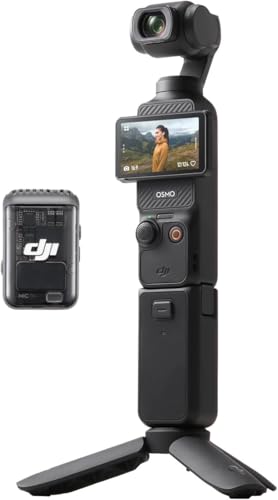
- 1-inch sensor with 4K/120fps video
- Compact 3-axis mechanical stabilization
- Includes microphone, battery handle, and tripod
Best For: All-in-one vlogging and travel filming
Best Budget Phone Gimbal

- Foldable, lightweight smartphone design
- Detachable remote and AI tracking
- Up to 11 hours of battery life
Best For: Affordable phone vlogging and travel
Best Versatile Camera Gimbal

- Supports phones, action cameras, and larger cameras
- Built-in AI tracking requires no app
- Includes extension pole and multi-device accessories
Best For: Beginners building a flexible camera setup
Best Smart Phone Gimbal

- Native tracking with audio and lighting features
- Built-in extension rod and tripod
- 10-hour battery with phone charging
Best For: Easy smartphone vlogging and livestreaming
Easy Solo Vlogging
4K AI-Tracking Vlogging Camera

- 330° horizontal AI face tracking
- Included tripod for hands-free filming
- Wi-Fi and USB webcam mode
Best For: Solo vloggers, tutorials, and family videos
Best Interchangeable-Camera Upgrade

- Three-axis image stabilization
- Supports devices up to 2 kg
- Includes tracking module and tripod
Best For: Mirrorless-camera and smartphone creators
Best Pocket Option

- 5K video and 80MP still images
- Dual-axis face-tracking gimbal
- Tripod and 32GB card included
Best For: Travel, casual vlogging, and everyday clips
Best Lightweight Camera Gimbal for Beginners
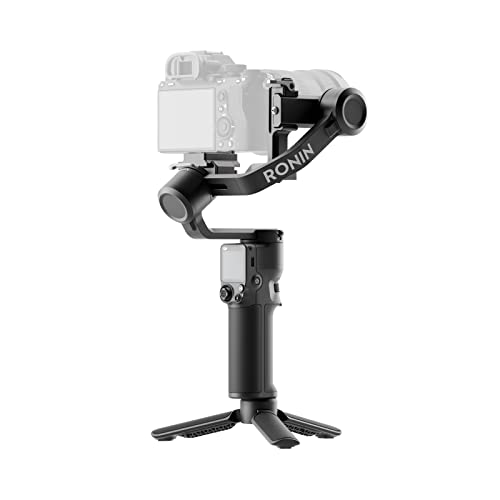
- 795g portable design
- Supports up to 2kg
- Native vertical shooting
Best For: Compatible mirrorless camera users seeking a travel-friendly gimbal
Best All-in-One Camera Gimbal for Beginners
Xtra Muse Pocket Gimbal Camera

- Built-in 3-axis stabilization
- 1-inch sensor with 4K/120fps
- Master Follow subject tracking
Best For: Beginners wanting a compact, self-contained video camera
Best Phone Camera Gimbal for Beginners

- 3-axis phone stabilization
- Built-in tripod and foldable design
- Up to 10 hours of use
Best For: iPhone and Android creators filming solo content
Best Pocket Camera Gimbal – DJI Osmo Pocket 3 Creator Combo
If you want a camera gimbal for beginners that is ready to record without assembling a phone-and-gimbal setup, the DJI Osmo Pocket 3 Creator Combo is a compact option. Its 1-inch CMOS sensor, 4K/120fps video, rotating touchscreen, and integrated 3-axis stabilization make it practical for travel, vlogging, and everyday filming.
Best For: Beginners who want an all-in-one vlogging camera with strong stabilization, built-in framing controls, and included audio and tripod accessories.
Pros:
- 1-inch CMOS sensor and 4K/120fps video support detailed footage.
- Integrated 3-axis mechanical stabilization helps smooth movement.
- Rotating 2-inch touchscreen supports horizontal and vertical shooting.
- Creator Combo includes a DJI Mic 2 transmitter, battery handle, and mini tripod.
Cons:
- It is not water resistant.
- Its proprietary camera format is less flexible than a phone-based gimbal.
The Pocket 3 is especially approachable for beginners who value a simple, self-contained camera. ActiveTrack 6.0 and direct DJI microphone connectivity add useful tools for solo creators, while D-Log M and 10-bit color leave room to grow into more advanced editing.
Best Budget Phone Gimbal – Hohem iSteady X3 SE
The Hohem iSteady X3 SE is a straightforward camera gimbal for beginners using a smartphone. It combines 3-axis stabilization with a foldable design, detachable remote, app-based creative tools, and quick landscape-to-portrait switching for social media videos.
Best For: First-time phone-gimbal users, travelers, and vloggers who want an affordable, portable stabilizer with remote shooting controls.
Pros:
- Foldable 0.79-pound design is easy to carry.
- Detachable magnetic remote works from up to 32.81 feet away.
- Hohem Joy app offers AI tracking, gesture control, and creative templates.
- Up to 11 hours of operation supports extended shoots.
Cons:
- The 0.66-pound payload limits it to smartphones.
- Advanced app features depend on using the Hohem Joy app.
For beginners, the iSteady X3 SE keeps the learning curve manageable while still offering useful creative features. Its phone-only design is a limitation for camera owners, but the light weight, remote, and long battery life make it a practical everyday choice for mobile content.
Best Versatile Camera Gimbal – FeiyuTech SCORP Mini 2
The FeiyuTech SCORP Mini 2 is a camera gimbal for beginners who may start with a phone but want room to use larger equipment later. It supports smartphones, action cameras, mirrorless cameras, and DSLRs, while built-in AI tracking, gesture control, and a quick-release system simplify solo shooting.
Best For: New creators who want one stabilizer for multiple camera types, including phones, action cameras, mirrorless cameras, and compatible DSLRs.
Pros:
- Supports devices up to 2.65 pounds across several camera categories.
- Built-in AI tracking works without an additional app.
- Quick-release design enables fast horizontal and vertical shooting changes.
- Includes a carrying case, extension pole, tripod, smartphone holder, and GoPro adapter.
Cons:
- At about 1.9 pounds, it is heavier than a phone-only gimbal.
- Its broader controls and accessories may feel more involved for absolute beginners.
- It is not water resistant.
The SCORP Mini 2 is a strong growth-oriented pick. Its payload and extensive compatibility prevent an early upgrade when your camera setup changes, while the touchscreen, gesture controls, and built-in tracking help reduce the complexity of solo filming.
Best Smart Phone Gimbal – DJI Osmo Mobile 8
The DJI Osmo Mobile 8 is a camera gimbal for beginners who primarily record with a phone. It offers 3-axis stabilization, native tracking, 360-degree pan rotation, an integrated extension rod and tripod, plus tutorials and one-tap editing to make getting started easier.
Best For: Smartphone vloggers, families, travelers, and livestreamers who want tracking, lighting and audio capabilities in a portable setup.
Pros:
- Native tracking works with the phone connection and supports easy setup.
- Built-in extension rod and tripod provide flexible filming angles.
- 360-degree pan rotation supports dynamic shots and subject following.
- 10-hour battery can also charge the phone while filming.
Cons:
- It is compatible with cellphones rather than dedicated cameras.
- The DJI Mimo app must be downloaded from the DJI website because it is unavailable on Google Play.
The Osmo Mobile 8 is designed to remove common barriers for new phone creators. Its integrated tripod, extension rod, tracking, and beginner tutorials reduce the need for extra gear, while the multifunctional module adds audio and lighting capabilities for more polished recordings.
Easy Solo Vlogging – 4K AI-Tracking Vlogging Camera
If you want a camera gimbal for beginners without managing a separate camera and stabilizer, this 4K vlogging camera combines a tripod setup with 330° horizontal AI face tracking. Its touchscreen controls, one-touch flip function, Wi-Fi, and webcam mode make it approachable for everyday creators.
Best For: Beginners creating solo vlogs, tutorials, family videos, or desk-based livestreams.
Pros:
- 330° horizontal AI face tracking helps keep you in frame while moving.
- Included tripod supports hands-free recording and group shots.
- Touchscreen provides access to exposure, ISO, white balance, filters, and beauty mode.
- Supports Wi-Fi connectivity and USB webcam mode.
Cons:
- The tracking range is horizontal rather than full three-axis stabilization.
- Some functions, including slow motion, are unavailable in webcam mode.
- Requires a compatible Class 10 or faster microSD card, formatted in the camera.
For beginners who prioritize simple solo framing over advanced handheld stabilization, this is a practical all-in-one option. The included tripod and guided controls reduce setup friction, while the flip screen function and webcam mode add useful flexibility.
Best Interchangeable-Camera Upgrade – DJI RS 4 Mini Combo
For beginners moving into interchangeable-lens cameras, the DJI RS 4 Mini Combo is a more capable camera gimbal for beginners who want three-axis stabilization and room to grow. It supports cameras and smartphones up to 2 kg, with auto axis locks, intelligent tracking, and fast vertical switching.
Best For: New videographers using compatible mirrorless, vlog, or smartphone setups for dynamic footage.
Pros:
- Three-axis stabilization supports smoother camera movement.
- Auto axis locks help speed up setup.
- Supports cameras and smartphones up to 2 kg/4.4 lb.
- Includes an Intelligent Tracking Module, tripod, and briefcase handle.
Cons:
- More involved than a pocket camera and requires balancing the mounted device.
- Not water resistant.
- The DJI Ronin app is not available through Google Play and must be downloaded from DJI’s website.
This combo is the strongest choice here for learning traditional gimbal technique and building a more flexible filming setup. Its tracking and vertical-shooting features are useful, but the larger payload and balancing process may feel less beginner-friendly than an integrated camera.
Best Pocket Option – 5K Dual-Axis Tracking Camera
This compact 5K camera is a straightforward camera gimbal for beginners who want stabilization and automatic subject framing in a pocketable design. Its dual-axis gimbal, six-axis gyroscope, electronic stabilization, rotating touchscreen, and included accessories support quick travel and everyday shooting.
Best For: Travelers, casual vloggers, and beginners who want a small ready-to-use camera.
Pros:
- Records 5K video and captures listed 80MP still images.
- Dual-axis rotation covers up to 330° horizontally and 120° vertically.
- Smart face tracking, POV, and Tilt Lock modes add shooting flexibility.
- Includes a tripod and 32GB memory card.
Cons:
- Battery life is rated at over 90 minutes of continuous recording.
- Its stabilization is digital and dual-axis rather than a three-axis gimbal system.
- Not water resistant.
With its lightweight body, automatic tracking, and included storage, this camera offers a low-friction entry point for casual content creation. It is especially convenient for travel and spontaneous clips, though creators seeking interchangeable lenses or full three-axis stabilization should look to a dedicated gimbal.
Best Lightweight Camera Gimbal for Beginners – DJI RS 3 Mini
If you want a camera gimbal for beginners that can grow with a mirrorless setup, the DJI RS 3 Mini offers a practical balance of portability and control. It weighs 795g, supports camera-and-lens combinations up to 2kg, and includes native vertical shooting for social content.
Best For: Beginners using compatible mirrorless cameras who want a lightweight, versatile gimbal for travel and vertical video.
Pros:
- Lightweight 795g design is easier to hold during extended shoots.
- Supports payloads up to 2kg for a range of camera and lens combinations.
- Includes native vertical shooting, Bluetooth shutter control, and a 1.4-inch color touchscreen.
- Includes a quick-release plate and RS Mini tripod.
Cons:
- Requires the DJI Ronin app for activation and full functionality.
- The app is not available through Google Play and must be downloaded from DJI’s official website.
- It is not water resistant.
The RS 3 Mini is a strong starting point for beginners who already own a compatible camera and want pro-level stabilization without a larger, heavier rig. Check your camera-and-lens weight and app compatibility before buying.
Best All-in-One Camera Gimbal for Beginners – Xtra Muse Pocket Gimbal Camera
For beginners who want a camera gimbal without assembling a separate camera and stabilizer, the Xtra Muse combines a pocket camera with a built-in 3-axis gimbal. Its 1-inch sensor, 4K video recording, autofocus, and subject tracking make it a straightforward option for handheld video.
Best For: New creators who want a compact, self-contained camera for stabilized travel, action, and social video.
Pros:
- Built-in 3-axis gimbal helps produce smoother footage while walking, running, or hiking.
- 1-inch CMOS sensor records 4K video at up to 120fps.
- Master Follow tracking helps keep a moving subject centered.
- Includes a 2-inch touchscreen and supports horizontal or vertical shooting.
Cons:
- Does not offer water resistance.
- Uses digital zoom rather than an interchangeable-lens camera system.
- Some advanced color features, such as X-Log, may add editing complexity for beginners.
The Xtra Muse is easier to approach than a separate camera-gimbal setup because stabilization, recording, and tracking are integrated. It is especially appealing when portability matters more than interchangeable lenses or a larger camera system.
Best Phone Camera Gimbal for Beginners – DJI Osmo Mobile 7
If your phone is your primary camera, the DJI Osmo Mobile 7 is an approachable camera gimbal for beginners. It provides 3-axis stabilization for compatible iPhone and Android phones, plus a foldable design, built-in tripod, and tracking tools for solo filming.
Best For: Smartphone users creating vlogs, live streams, travel videos, and social content.
Pros:
- Lightweight 300g body with an ergonomic, anti-slip grip.
- Built-in tripod and foldable design simplify solo shooting and storage.
- ActiveTrack 7.0 helps follow subjects as they move.
- Up to 10 hours of operating time and USB-C phone charging support longer shoots.
Cons:
- Maximum recommended device weight is 300g, so phone compatibility should be checked.
- DJI Mimo is required for features such as ShotGuides and One-Tap Edit.
- The DJI Mimo app is not available through Google Play and must be downloaded from DJI’s official website.
The Osmo Mobile 7 is the simplest choice here for beginners who already shoot on a smartphone. Its integrated tripod and tracking features reduce setup work, while the lightweight design remains suitable for handheld filming.
How We Picked the Best Camera Gimbal for Beginners
We focused on gimbals and stabilized cameras that are approachable for first-time users while still offering useful room to grow. Our comparisons consider stabilization design, supported devices, payload capacity, setup complexity, tracking features, battery practicality, portability, and overall value.
The selection includes phone-focused models such as the DJI Osmo Mobile and hohem iSteady lines, pocket cameras with integrated gimbals, and interchangeable-lens camera systems from DJI and FeiyuTech. Because these products serve different workflows, the best choice depends on your camera, shooting style, and willingness to manage settings.
Quick Comparison
| Best For | Look For | Recommended Type |
|---|---|---|
| Phone videos and social content | Fast balancing, app support, tracking | Smartphone gimbal |
| Simple travel and vlogging | Built-in camera, compact design, quick recording | Pocket gimbal camera |
| Mirrorless or DSLR video | Payload capacity, camera compatibility, control options | Camera gimbal |
| Hands-free creator shots | AI face or object tracking and gesture controls | Tracking-enabled gimbal |
Key Buying Factors for a Camera Gimbal for Beginners
Device Compatibility and Payload
Start with the device you already own. Phone gimbals are not designed for mirrorless cameras, while compact camera gimbals may have specific weight limits. For interchangeable-lens cameras, check the combined weight of the body, lens, battery, memory card, and accessories against the gimbal’s payload rating.
Three-Axis Stabilization
Three-axis systems generally provide smoother walking footage than basic electronic or dual-axis stabilization. They compensate for roll, tilt, and pan movement, but they still work best when you use controlled movements and choose an appropriate follow mode.
Tracking and App Features
Face and object tracking can help solo creators frame themselves while walking, presenting, or recording tutorials. Confirm whether tracking works through the included app, a detachable module, or the camera itself, and check phone operating-system compatibility before buying.
Size, Battery, and Setup
A lightweight gimbal is easier to carry and more likely to be used regularly. Look for quick balancing, foldable arms, clear controls, and battery life that matches your typical recording sessions. Built-in tripods or extension rods can also reduce the need for extra accessories.
Camera Controls and Accessories
Some gimbals can start recording, adjust focus, or change settings directly from the handle, but support varies by camera and cable or Bluetooth connection. Review the compatibility list if you need reliable control over zoom, focus, shutter, or tracking.
Who Should Buy Which Camera Gimbal for Beginners?
Choose a phone gimbal if you primarily create social clips, travel videos, or live-style content with an iPhone or Android phone. These are usually the simplest starting point.
Choose a pocket gimbal camera if you want a small all-in-one setup and do not need interchangeable lenses. Integrated stabilization and dedicated recording controls can make shooting more consistent.
Choose a lightweight mirrorless gimbal if you already own a compatible camera and want cinematic movement, lens flexibility, and more control. Prioritize payload headroom and compatibility over the lowest price.
Choose AI tracking if you often film yourself without a camera operator. For everyone else, a simpler model may offer better value and fewer setup steps.