The right wetsuit boots keep your feet warmer, improve grip, and protect against sharp rocks, rough entries, and uneven surfaces. The best choice depends on water temperature, activity, fit, and the type of sole you need.
We compare 10 wetsuit boots ranging from lightweight tropical booties to warmer 5mm designs with tall cuffs, zippers, split toes, and hard anti-slip soles.
Best 10 Wetsuit Boots Picks for 2026
Durable Tall Coverage

- Tall 3mm neoprene design
- Anti-slip sole with reinforced heel and toe
- Zipper closure for easier dressing
Best For: Scuba diving, snorkeling, rafting, and windsurfing
Reef-Ready Traction

- Lightweight 2mm FluidFlex neoprene
- Thick textured rubber sole
- Anatomical round-toe fit
Best For: Reef protection, paddleboarding, snorkeling, and beach use
Cold-Water Protection

- Warm 5mm neoprene construction
- Hard anti-slip rubber sole
- Heel design suits open-heel fins
Best For: Cold-water diving, canyoning, and rocky shore access
Board-Feel Focus
O'Neill Ninja 3mm Split Toe Boot

- 3mm UltraFlex neoprene
- Split-toe design for movement and grip
- Adjustable ankle strap and textured sole
Best For: Surfing, paddleboarding, and active board sports
Cold-Water Coverage
Skyone 5mm Neoprene Dive Boots

- 5mm neoprene for warmth and flexibility
- Anti-slip rubber sole for foot protection
- Zippered fit works with open-heel fins
Best For: Divers and water-sports users wanting warm, full-coverage boots
Lightweight Surf Feel
O'Neill Superfreak 2mm Split Toe Boot

- Split toe promotes natural movement
- Lightweight 2mm neoprene construction
- Textured sole delivers reliable traction
Best For: Warm-water surfers and paddlers prioritizing flexibility
Secure Fin-Friendly Fit
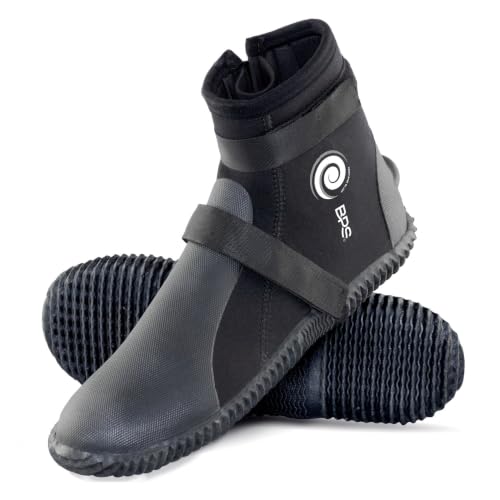
- 3mm, 5mm, and 7mm options
- Hard anti-slip rubber sole
- Dual straps help secure the fit
Best For: Divers and beach users needing traction and fin stability
Flexible Beach Protection
OMGear 3mm High-Cut Water Socks

- Soft, stretchy 3mm neoprene
- Reinforced anti-slip rubber-print sole
- High-cut ankle with adjustable strap
Best For: Beach activities, swimming, snorkeling, and warm-season watersports
Traction-Focused Dive Boot

- 5mm neoprene for thermal insulation
- Hard sole with high-traction pattern
- Short zipper designed for ankle flexibility
Best For: Diving, snorkeling, boating, and rocky or slippery shorelines
Full-Coverage Fin-Compatible Boot
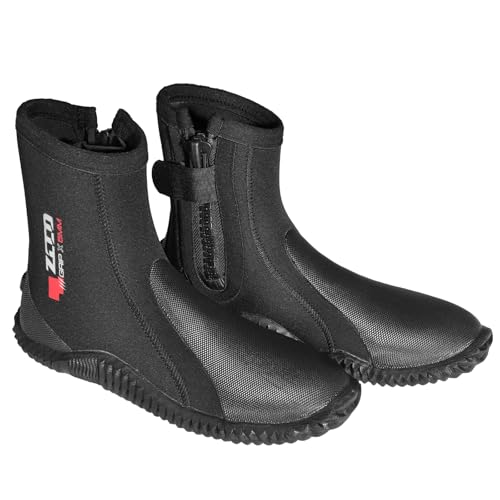
- 5mm neoprene with thermal coverage
- Heel-back design for open-heel fins
- Anti-slip rubber sole and reinforced seams
Best For: Scuba diving and multi-sport use with open-heel fins
Durable Tall Coverage – Cressi Minorca 3mm Boots
Cressi Minorca Long 3 mm Crew Diving Boots, Black/Black, US Man's 8 • US Ladies' 9
Check Price On AmazonFor shoppers seeking wetsuit boots with added coverage, the Cressi Minorca combines 3mm neoprene, a tall design, and a rubber anti-slip sole. Its zipper closure also makes getting ready for water activities more convenient.
Best For: Scuba diving, snorkeling, rafting, windsurfing, and other water sports where tall coverage and a durable sole are useful.
Pros:
- 3mm neoprene helps provide warmth and flexibility.
- Anti-slip sole with rubber heel and toe caps adds traction and durability.
- Zipper closure supports easier on-and-off use.
Cons:
- The tall construction may feel more substantial than ankle-height booties.
- The supplied listing identifies a regular fit, so careful size selection is important.
The Minorca is a practical choice if you want protective, tall wetsuit boots for varied water activities. Its rubber reinforcement and 2-year limited warranty further support frequent use.
Reef-Ready Traction – O'Neill Reactor Reef Boot
The O’Neill Reactor is a lightweight option for shoppers comparing wetsuit boots for reef walks, beaches, and board sports. Its 2mm FluidFlex neoprene, round-toe anatomical fit, and thick textured rubber sole focus on comfort and traction.
Best For: Reef protection, paddleboarding, kayaking, snorkeling, surfing, boating, and beach activities.
Pros:
- Round-toe anatomical design supports natural movement and comfort.
- Extra-thick raised-texture rubber sole helps protect against rocks, reefs, and rough surfaces.
- Double-seal O’Ring closure and heel pull tab support a secure fit and easier entry.
Cons:
- At 2mm, it provides less neoprene thickness than the 3mm and 5mm options here.
- The pull-on closure may offer less adjustment than a full zipper.
This boot is a sensible pick when grip and impact protection matter more than maximum thickness. Its lightweight construction suits active water use without adding unnecessary bulk.
Cold-Water Protection – Cressi Isla 5mm Water Boots
These Cressi Isla wetsuit boots emphasize warmth and underfoot protection with 5mm neoprene and a hard anti-slip rubber sole. A full-length zipper and heel design for open-heel fins make them especially versatile for diving and rough shore access.
Best For: Scuba diving, snorkeling, canyoning, surfing, sailing, and walking across rocks or pebbles.
Pros:
- 5mm neoprene helps keep feet warm during water sports.
- Strong built-in rubber sole protects against rocks, pebbles, and wet surfaces.
- Heel design helps hold open-heel fin straps in place.
- Zipper from sole to ankle makes them easier to put on and remove.
Cons:
- The thicker construction and strong sole weigh more than lightweight reef booties.
- The listing describes a regular fit, so sizing should be checked carefully.
The Isla is a strong choice for colder conditions and rocky entries. Choose it when warmth, sole protection, and fin compatibility are priorities over minimal weight.
Board-Feel Focus – O'Neill Ninja 3mm Split Toe Boot
The O’Neill Ninja is designed for shoppers who want wetsuit boots that balance warmth, grip, and board sensitivity. Its 3mm UltraFlex neoprene, split-toe shape, watertight seams, and micro-diamond textured sole support active sessions.
Best For: Surfing, paddleboarding, kayaking, boating, swimming, and other activities requiring secure footing and board feel.
Pros:
- Split-toe anatomical design supports natural movement and surface contact.
- Micro-diamond textured sole increases traction and board feel.
- Watertight seams and 3mm neoprene help with warmth and comfort.
- Adjustable ankle strap helps keep the boot snug and limit water entry.
Cons:
- Split-toe construction may not suit shoppers who prefer a conventional toe shape.
- The recommended snug fit and sizing-down guidance may require careful fitting.
- Its 1-year limited warranty is shorter than the 2-year coverage listed for some alternatives.
The Ninja stands out for watersports where stability and board feedback matter. It is a particularly suitable option for active users who want protective neoprene without losing a close-to-the-board feel.
Cold-Water Coverage – Skyone 5mm Neoprene Dive Boots
These Skyone wetsuit boots combine thick 5mm neoprene with a tall, zippered design for added warmth and coverage during diving and other water activities. The rubber sole, heel-fin fit, and flexible construction make them a practical choice when you want protection without giving up mobility.
Best For: Divers, snorkelers, and water-sports users seeking warm, full-coverage boots that work with open-heel fins.
Pros:
- 5mm neoprene helps provide warmth and a soft, flexible fit.
- Anti-slip rubber sole helps protect feet from rocks and other sharp surfaces.
- Zippered ankle design supports adjustable comfort and a snug fit.
- Heel design helps keep open-heel fin straps from slipping.
Cons:
- Not completely waterproof; water can enter during use.
- The thicker construction may feel warmer and less minimal than lighter booties.
With glued and blind-stitched construction, broad activity compatibility, and sizes listed for men and women, these are a versatile pick for users prioritizing warmth and durability. Follow the seller’s sizing guidance carefully for the best fit.
Lightweight Surf Feel – O'Neill Superfreak 2mm Split Toe Boot
The O’Neill Superfreak is a lightweight 2mm option among wetsuit boots, using a split-toe design to support natural movement and board feel. Its textured rubber sole and adjustable securing features make it suited to a range of warm-water and shoreline activities.
Best For: Surfers, paddleboarders, kayakers, and beach users who prefer a lightweight split-toe boot with traction.
Pros:
- Split-toe construction supports natural movement and foot feel.
- Lightweight 2mm FluidFlex neoprene offers protection without bulky coverage.
- Textured rubber sole provides traction on reefs, concrete, rocks, and other rough surfaces.
- Cinch cord, forefoot strap, and heel pull tab help with security and changing.
Cons:
- 2mm thickness provides less insulation than thicker dive boots.
- Split-toe styling may not suit users who prefer a conventional closed-toe fit.
Flatlock seams add low-profile comfort, while the pull-on design keeps the boot simple to use. This model is most compelling for warm-water activities where agility and traction matter more than maximum insulation.
Secure Fin-Friendly Fit – BPS Neoprene Dive Boots
BPS wetsuit boots are built around a secure, adjustable fit, with neoprene construction, a hard rubber sole, and two straps to help limit movement and water entry. Available in 3mm, 5mm, and 7mm styles, they offer a practical setup for diving, snorkeling, surfing, and rough-surface beach activities.
Best For: Divers and water-sports users who want firm foot protection, traction, and a fin-friendly heel design.
Pros:
- Available in 3mm, 5mm, and 7mm thicknesses for different warmth preferences.
- Hard-wearing vulcanized rubber sole provides grip on wet or smooth surfaces.
- Top Velcro strap helps minimize water entry and keep the zipper from riding down.
- Heel ridge helps prevent swim fins or dive flippers from slipping off.
Cons:
- The boots do not eliminate water entry completely.
- Minimal cushioning may provide less underfoot comfort than more padded designs.
- Users need to consult the provided size chart for measurements.
The dual-strap adjustment makes this a particularly secure choice for active use, while the closed toe and hard sole add protection around rocky or slippery areas. Choose the thickness and size carefully to balance warmth, fit, and mobility.
Flexible Beach Protection – OMGear 3mm High-Cut Water Socks
These OMGear water socks are a lightweight option for shoppers seeking wetsuit boots for beach days, swimming, snorkeling, and other warm-weather water activities. The 3mm neoprene construction offers flexible coverage, while the high-cut ankle and adjustable strap help keep sand and small debris out.
Best For: Beach activities, swimming, snorkeling, and warm-season watersports where flexible, low-profile foot protection matters.
Pros:
- Soft, stretchy 3mm neoprene helps protect against cuts, punctures, scratches, and cold water.
- Reinforced rubber-print sole provides abrasion resistance and traction on sandy, rugged, or slippery surfaces.
- High-cut design with an adjustable ankle strap helps limit sand entry.
- Flatlock stitching and a flexible, barefoot-like feel support comfortable recreational use.
Cons:
- Minimal cushioning may provide less underfoot support than hard-sole dive boots.
- Flatlock seams are described as suitable for spring, summer, and autumn rather than the coldest conditions.
Choose these if you want compact, sock-like wetsuit boots for beach and surface activities. They prioritize flexibility and comfort over the rigid protection of a full scuba boot.
Traction-Focused Dive Boot – Hydroleap 5mm Scuba Boots
For shoppers comparing wetsuit boots with stronger underfoot protection, these Hydroleap 5mm scuba boots pair thermal neoprene with a hard, high-traction sole. The short zipper is designed to reduce ankle pressure while the rugged outsole targets wet boat decks, tide pools, and slippery rocks.
Best For: Scuba diving, snorkeling, kayaking, sailing, and water activities requiring warmth and a more supportive, grippy sole.
Pros:
- 5mm neoprene provides thermal insulation and protection around sharp rocks, coral, and sea urchins.
- Hard blue sole uses a traction pattern for grip on wet and slippery surfaces.
- Four-inch zipper is intended to improve flexibility and reduce stiffness around the ankle.
- Versatile design suits scuba diving, snorkeling, surfing, kayaking, and sailing.
Cons:
- The hard sole and 5mm construction may feel less lightweight than water socks.
- The short zipper may offer less full-length opening than traditional long-zipper dive boots.
This is a practical middle ground for users who want insulated wetsuit boots with a durable sole. It is especially appealing when traction and protection are more important than a barefoot feel.
Full-Coverage Fin-Compatible Boot – Skyone 5mm Dive Boots
These Skyone wetsuit boots are built for divers and paddlers who want full-foot coverage, warmth, and compatibility with open-heel fins. Their 5mm neoprene, glued and blind-stitched seams, ankle zipper, and anti-slip rubber sole make them a substantial choice for extended water activities.
Best For: Scuba diving, snorkeling, surfing, kayaking, sailing, wading, and beach use where coverage and fin compatibility are priorities.
Pros:
- 5mm neoprene offers a soft, flexible fit with thermal coverage.
- Heel-back design is made to fit open-heel scuba fins and help prevent strap slipping.
- Anti-slip rubber sole protects against sharp rocks and coral.
- Glued and blind-stitched seams are designed for tensile strength and tear resistance.
Cons:
- The product is not completely waterproof and is intended as diving equipment to pair with wetsuits.
- Listed sizing covers US men’s 6–11, so shoppers outside that range may have limited options.
- Full 5mm coverage may be more boot than needed for casual warm-water beach use.
Select these when fin fit, insulation, and durable construction take priority. The stated heel design is a useful detail for open-heel scuba setups, while the manufacturer’s waterproofing note sets realistic expectations.
How We Picked the Best Wetsuit Boots
We focused on the features that matter most in real water use: neoprene thickness, sole construction, traction, closure design, coverage, and versatility. The selection includes options for scuba diving, snorkeling, surfing, rafting, canyoning, swimming, and beach use.
We also included different boot styles so shoppers can match protection and warmth to their conditions. Lightweight socks and 2mm to 3mm boots suit warm water and activities that require flexibility, while 5mm and thicker designs provide more insulation for colder water. Products with rubber or hard soles are generally better for rocky shorelines and walking, while softer soles can offer better board feel.
Quick Comparison
- Warm-water comfort: Look for 2mm to 3mm neoprene and flexible soles.
- Cold-water insulation: Choose 5mm neoprene or thicker, preferably with a snug tall cuff.
- Rocky beaches and shore diving: Prioritize a hard rubber sole and deep tread.
- Surfing and board sports: Split-toe designs can improve balance and reduce foot movement.
- Easy on and off: Zippers are convenient, especially on taller boots.
- Travel and swimming: Lightweight water socks pack small and dry quickly.
Key Buying Factors for Wetsuit Boots
Thickness and Water Temperature
Neoprene thickness is the clearest indicator of warmth. A 2mm or 3mm boot is usually more comfortable in warm or temperate water and allows easier movement. A 5mm boot offers substantially more insulation for cold dives, winter surfing, and extended time in the water, but may feel bulkier.
Sole Protection and Traction
Choose a hard, textured rubber sole if you will walk over rocks, shells, boat decks, or rough ramps. A thinner flexible sole is better when sensitivity and lightweight packing matter. In every case, look for a clearly defined anti-slip tread rather than a completely smooth bottom.
Fit, Closure, and Compatibility
Wetsuit Boots should fit snugly without painful pressure or excess heel movement. Loose boots can cause blisters and allow water circulation that reduces warmth. Check the sizing chart carefully, and confirm that the boot fits comfortably inside your fins. Zippers simplify entry, while split-toe patterns may improve stability but can feel less natural to some users.
Who Should Buy Which Wetsuit Boots?
Warm-water snorkelers and swimmers should consider lightweight 2mm to 3mm boots or water socks. Cold-water divers and surfers will generally benefit from 5mm construction and fuller ankle coverage. Shore divers, kayakers, and canyoners should prioritize hard anti-slip soles for dependable protection on wet, uneven ground. Surfers and paddleboarders may prefer flexible split-toe models for improved board feel. If you frequently switch activities, choose a midweight boot with a durable sole, secure closure, and enough room for your fins.