If you want free speed without sacrificing comfort, aero cycling helmets are one of the smartest upgrades you can make. The best options blend streamlined shaping, reliable ventilation, and a secure fit for real-world riding.
Below, we focus on 10 standout helmets for road racers, triathletes, gravel riders, and commuters who want a faster profile and practical everyday features.
Best 10 Aero Cycling Helmets Picks for 2026
Time Trial Focus

- Super Fit Engineering fit system
- Polycarbonate shell with EPS liner
- Adjustable strap; 16-ounce weight
Best For: time-trial and race-focused riders
Wind-Cutting Speed

- Aerodynamic profile to reduce drag
- AirBoost ventilation system
- Zoom Ace retention for custom fit
Best For: fast road riders wanting airflow and speed
Race-Lab Protection

- MIPS-powered Spherical Technology
- 14 Wind Tunnel vents with channeling
- Dual-density EPS for progressive layering
Best For: riders who want aero design plus advanced protection
Balanced Aero Performance
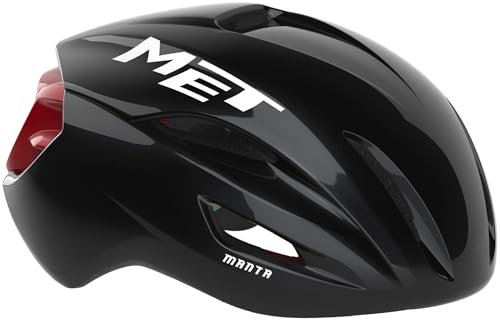
- MIPS C2 and Safe-T Orbital fit
- NACA vent with constant airflow
- In-mold shell; sunglasses port
Best For: riders wanting a lightweight aero road helmet
Race-Ready Aero Protection

- Spherical Technology with MIPS
- 14 Wind Tunnel vents for airflow
- Dual-density EPS foam liner
Best For: Road riders wanting aero performance with advanced protection
All-Season Aero Versatility

- Aerodynamic profile with adjustable venting
- Merino wool lining for comfort
- WG11 rotational impact approval
Best For: Road, gravel, and cyclocross riders across seasons
Budget-Friendly Everyday Aero Choice

- Dial fit system with adjustable straps
- 20 air vents for cooling
- Lightweight microshell construction
Best For: Casual riders seeking an affordable, adjustable adult helmet
Race-Ready Aero Pick
ABUS Gamechanger 2.0 Aero Road Helmet
- Aerodynamic profile designed to reduce drag
- Lightweight Multi Shell In-Mold construction
- Zoom Ace fit system and AirBoost ventilation
Best For: Road riders who want a fast, adjustable performance helmet
Triathlon Aero Option
SLS3 Triathlon Aero Helmet with Visor

- Streamlined time-trial shape for road and triathlon use
- Magnetic removable visor included
- 8 vents and 390g build for cooling and comfort
Best For: Triathletes and TT riders wanting integrated visor coverage
Commuter Aero Hybrid
Lumos MIPS Road Helmet with Magnetic Light

- MIPS protection for everyday road and commuter riding
- Approx. 350g with 14 ventilation channels
- Magnetic light compatibility improves visibility
Best For: Commuters and casual riders who want light, ventilated protection
Time Trial Focus – Giro Aerohead MIPS
If you’re comparing aero cycling helmets for time trials or fast road efforts, the Giro Aerohead MIPS is built around a streamlined shape and a polycarbonate shell. It uses Giro’s Super Fit Engineering and adjustable strap design to help create a secure, adult-sized fit without adding unnecessary bulk.
Best For: Riders who want a streamlined helmet for racing and time-trial use.
Pros:
- Polycarbonate outer shell with expanded polystyrene inner material
- Super Fit Engineering for a more dialed-in fit
- Adjustable strap for secure positioning
- Lightweight at 16 ounces
Cons:
- No ventilation details were provided in the notes
- Included components are listed as nothing
Overall, this is a straightforward aero option from Giro for riders who prioritize fit and a clean, race-ready profile. It’s a practical pick if you want a purpose-built helmet without extra feature clutter.
Wind-Cutting Speed – ABUS Gamechanger 2.0
The ABUS Gamechanger 2.0 is designed for riders shopping aero cycling helmets that emphasize airflow, reduced drag, and a secure fit. Its updated aerodynamic profile, AirBoost ventilation system, and Zoom Ace adjustable retention make it a strong choice for fast road riding in an adult medium size.
Best For: Road cyclists who want aerodynamic performance with ventilation and a secure fit.
Pros:
- Redesigned aerodynamic profile aimed at reducing drag
- AirBoost ventilation system for airflow during hard efforts
- Zoom Ace adjustable retention system for a customizable fit
- Multi Shell In-Mold construction for lightweight protection
Cons:
- Only the medium size is specified in the notes
- Focused on road cycling rather than all-purpose use
As an aero road helmet, the Gamechanger 2.0 balances speed, comfort, and fit in a way that suits aggressive riding positions. It stands out if you want one helmet that tries to do both airflow and cooling well.
Race-Lab Protection – Giro Eclipse Pro
If you want aero cycling helmets with a stronger emphasis on protection technology, the Giro Eclipse Pro combines Spherical Technology powered by MIPS with progressive layering and 14 Wind Tunnel vents. It’s built for adult riders who want a lightweight, in-mold design that still prioritizes airflow.
Best For: Riders looking for an aero helmet with advanced impact-management features.
Pros:
- Spherical Technology powered by MIPS for rotational impact management
- Progressive layering with dual-density EPS foam liner
- 14 Wind Tunnel vents with internal channeling for cooling
- In-mold construction helps keep weight down
Cons:
- Only ventilation is highlighted in the listed additional features
- Large size and adult fit are the only sizing details provided
The Eclipse Pro is a strong option if your priority is a race-ready aero helmet that doesn’t sacrifice protection features. Its balance of ventilation, weight, and impact-management tech makes it a compelling premium pick.
Balanced Aero Performance – MET Manta MIPS
The MET Manta MIPS is an aero road cycling helmet built for adults who want a lightweight, streamlined fit with practical airflow details. Its in-mold polycarbonate shell, MIPS C2 system, Safe-T Orbital Fit System, and NACA vent setup make it a well-rounded pick for fast riding.
Best For: Cyclists who want a lightweight aero helmet with integrated fit and airflow features.
Pros:
- In-mold polycarbonate shell with EPS liner
- MIPS C2 rotational management system for added protection
- Safe-T Orbital Fit System for a secure feel
- NACA vent and exhaust positioning for constant airflow
Cons:
- Only one color is listed in the notes
- Size is specified as medium only
For riders comparing aero cycling helmets, the Manta MIPS offers a good mix of speed-focused shaping and everyday usability. The sunglasses port and refined internal shape add practical touches that may matter on long rides.
Race-Ready Aero Protection – Giro Eclipse Pro
Giro Eclipse Spherical Adult Road Cycling Helmet - Matte White/Silver, Large (59-63 cm)
Check Price On AmazonIf you’re comparing aero cycling helmets for fast road rides, the Giro Eclipse Pro is built around a balance of speed, cooling, and protection. Its spherical, MIPS-powered design and dual-density EPS liner focus on impact management, while 14 Wind Tunnel vents with internal channeling help keep airflow moving.
Best For: Riders who want a performance-focused aero helmet with strong ventilation and advanced impact technology.
Pros:
- Spherical Technology with MIPS is designed to redirect impact forces.
- Dual-density EPS liner targets both high- and low-speed impacts.
- 14 Wind Tunnel vents with internal channeling support cooling airflow.
- In-mold construction keeps weight down while maintaining durability.
Cons:
- Open-face style may not appeal to riders wanting a more enclosed look.
- Focused on performance features rather than extras like adjustable venting.
This is a strong pick if your priority is a lightweight, well-vented aero helmet with a serious safety package. It’s a straightforward choice for riders who value speed-oriented design without giving up everyday comfort.
All-Season Aero Versatility – KASK Wasabi Bike Helmet
For riders shopping aero cycling helmets that can adapt to changing conditions, the KASK Wasabi stands out with its aerodynamic profile and customizable ventilation. It’s designed for road, gravel, and cyclocross use, and the merino wool lining adds comfort and temperature regulation across seasons.
Best For: Riders who want one aero helmet for road, gravel, cyclocross, and variable weather.
Pros:
- Aerodynamic profile with high ventilation for mixed riding needs.
- Adjustable central vent lets you open or close airflow as conditions change.
- Merino wool lining is designed for comfort, breathability, and quick drying.
- WG11 rotational impact approval adds a strong safety-focused feature set.
Cons:
- Heavier than some race-focused helmets at 2.1 pounds.
- The all-season design may be more than needed for riders who only want a pure summer aero lid.
The Wasabi is a practical choice if you want aerodynamics without sacrificing adaptability. Its adjustable ventilation and merino lining make it especially appealing for riders who split time between disciplines and weather conditions.
Budget-Friendly Everyday Aero Choice – Schwinn Thrasher
If you’re looking for aero cycling helmets on a practical budget, the Schwinn Thrasher is a straightforward adult option for fitness and recreational rides. It focuses on fit adjustability, lightweight microshell construction, and plenty of ventilation rather than high-end race features.
Best For: Casual riders who want an affordable, adjustable helmet for everyday cycling.
Pros:
- Dial retention system and adjustable straps help dial in a secure fit.
- Microshell construction keeps the helmet lightweight and durable.
- 20 air vents and moisture-wicking pads help with comfort on warmer rides.
- Removable visor adds shade for fitness and recreational use.
Cons:
- Not positioned as a premium aerodynamic race helmet.
- Fit range is limited to 58-62 cm head circumferences.
The Thrasher is a solid no-fuss option if you care more about comfort, adjustability, and value than advanced aero features. It covers the basics well and should suit riders who mainly want a dependable helmet for regular rides.
Race-Ready Aero Pick – ABUS Gamechanger 2.0 Aero Road Helmet
If you’re shopping for aero cycling helmets that prioritize speed and a locked-in fit, the ABUS Gamechanger 2.0 is built for aggressive road riding. Its updated aerodynamic shape is designed to reduce drag, while the AirBoost ventilation system helps keep airflow moving on longer efforts.
Best For: Riders who want a race-ready road helmet with a refined aero profile, lightweight feel, and adjustable fit.
Pros:
- Updated aerodynamic profile is designed to cut wind resistance.
- Multi Shell In-Mold construction keeps the helmet lightweight without sacrificing protection.
- Zoom Ace retention system allows a customizable, secure fit.
- AirBoost ventilation balances cooling and speed-focused shaping.
Cons:
- More focused on performance road use than casual commuting.
- Premium design may be more helmet than some riders need for relaxed rides.
The Gamechanger 2.0 stands out as a serious aero option for riders who care about efficiency, fit, and pro-style performance. It blends speed-oriented shaping with practical ventilation, making it a strong pick for hard training days and fast group rides.
Triathlon Aero Option – SLS3 Triathlon Aero Helmet with Visor
Among aero cycling helmets, the SLS3 Triathlon Helmet is aimed at riders who want a streamlined time-trial and triathlon setup with a visor included. It’s shaped for a close-to-the-face aerodynamic profile, while the 8-vent layout is meant to keep airflow moving during hard efforts.
Best For: Triathletes and time-trial riders who want a lightweight aero helmet with a removable shield visor.
Pros:
- Streamlined aero shape is designed for road cycling and triathlon use.
- Magnetically fastened visor adds wraparound eye protection and can be removed or flipped up.
- Eight vents provide front-to-back airflow for cooling.
- 390g weight helps keep the helmet feeling stable and lightweight.
Cons:
- One-size fit is limited to medium-to-large heads, so measuring first matters.
- Visor attachment is only possible while wearing the helmet.
This is a practical pick if you want an integrated aero helmet with visor convenience rather than a minimalist road lid. The combination of a lightweight build, ventilation, and time-trial styling makes it a focused choice for race day.
Commuter Aero Hybrid – Lumos MIPS Road Helmet with Magnetic Light
If you want aero cycling helmets that fit everyday riding more than pure racing, the Lumos Road Bike Helmet MIPS is a practical commuter-friendly option. It focuses on lightweight comfort, 14 ventilation channels, and magnetic light compatibility for added visibility on early or late rides.
Best For: Commuters and casual road riders who want MIPS protection, strong ventilation, and easy visibility add-ons.
Pros:
- Integrated MIPS system adds rotational impact management.
- Approx. 350g weight keeps it light on the head and neck.
- 14 ventilation channels support steady airflow on longer rides.
- Magnetic compatibility with Lumos Firefly mini lights helps improve visibility.
Cons:
- Built more for daily riding than dedicated race performance.
- Light accessories are compatible, but not included in the helmet package.
The Lumos Helmet makes sense for riders who value comfort, visibility, and practical extras over a pure aero race setup. It’s a balanced choice for commuting, cruising, and everyday road use where safety and convenience matter most.
How We Picked These Aero Cycling Helmets
We looked for Aero Cycling Helmets that balance aerodynamic design with useful details like fit adjustability, ventilation, safety certifications, and rider-friendly extras. Because the best helmet is the one you’ll actually wear, comfort and stability mattered as much as wind-cheating shape.
We also prioritized options for different use cases: pure road speed, time trial and triathlon performance, all-day versatility, and commuter visibility.
Quick Comparison: What Matters Most
In this group, the biggest differences come down to intended use. Time trial and triathlon helmets tend to be the most streamlined, while road-focused aero models usually offer a better balance of cooling and versatility. If you ride in mixed conditions, look for helmets with strong venting and a fit system that keeps the helmet planted without pressure points.
Key Buying Factors for Aero Cycling Helmets
Fit and Stability
Aero shapes only help if the helmet sits correctly on your head. Look for a snug, level fit with easy micro-adjustment and a retention system that prevents movement at speed.
Ventilation and Heat Management
More aerodynamic often means fewer or more controlled vents, so channeling and internal airflow matter. Riders in hot climates should pay close attention to cooling design, especially for long climbs or group rides.
Safety Features and Certifications
Check for current safety certifications and, where relevant, rotational impact protection systems such as MIPS. These features do not replace fit, but they can add valuable protection in real crashes.
Riding Style and Conditions
Choose a helmet that matches your terrain and pace. Triathlon and time trial riders may want the most aggressive aero profile, while road and gravel riders usually benefit from a more breathable, versatile shape. Commuters may also want integrated lights or high-visibility details.
Who Should Buy Which Aero Cycling Helmets?
If you race road events or want a fast all-rounder, choose a road aero model with good airflow and low drag. If you do triathlon or time trials, a more specialized aero helmet with a shield visor can make sense. If comfort across seasons matters most, pick a versatile helmet with adjustable ventilation or added insulation. And if you ride in traffic, consider an option with visibility-focused features alongside the aero profile.
Ultimately, the best Aero Cycling Helmets are the ones that match your speed goals, climate, and riding habits. Prioritize fit first, then narrow your choice based on ventilation, safety tech, and the kind of riding you do most often.