Closed cell foam sleeping pads are a simple, dependable choice for backpackers, campers, and anyone who wants insulation without bulk.
They are lightweight, tough, and easy to carry, making them a smart option for ultralight trips, emergency use, and all-season layering.
Best 10 Closed Cell Foam Sleeping Pads Picks for 2026
Classic Ultralight Foam

- 14-ounce closed-cell foam pad
- Accordion fold packs compactly
- Dimpled foam adds warmth
Best For: Backpackers who want a proven, economical foam pad
Reflective Budget Foam

- Aluminum film reflects body heat
- Waterproof and moisture-proof
- 72.8 x 23.6 inch sleeping surface
Best For: Campers wanting a reflective, waterproof foam mat
Reflective Warmth Pick

- ThermaCapture coating adds warmth
- 14-ounce closed-cell foam pad
- Accordion folds for compact packing
Best For: Backpackers who want extra warmth without extra bulk
Featherweight Trail Pad
Ultralight XPE Foam Sleeping Pad

- Weighs just 0.7 lbs
- Reflective aluminum film for warmth
- Raised nodes add back support
Best For: Ultralight hikers who want minimal weight and simple insulation
Ultralight Insulated Pick
Featherstone Outdoor El Cordion R-2.1 Foam Pad
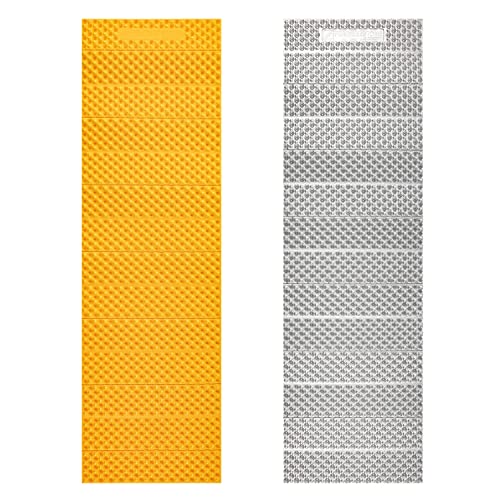
- R-2.1 insulation with reflective heat film
- Ultralight 455 g closed-cell foam build
- Hexagonal nodes add coverage and support
Best For: Ultralight backpackers who want a warm, no-fuss foam pad
Versatile Foldable Choice
REDCAMP Waterproof R-2.1 Foam Pad

- Triple-panel accordion fold for compact packing
- Waterproof IXPE foam with R-2.1 insulation
- Works as a seat cushion or ground cover
Best For: Campers who want a multipurpose foldable foam pad
Space-Saving Budget Pick
Peanut Shape Ultralight Foam Sleeping Pad

- Accordion-style peanut shape packs small
- Lightweight waterproof IXPE foam
- Useful as a pad, seat, or mattress protector
Best For: Budget buyers who want a compact, multipurpose foam mat
Compact Warmth Pick

- Peanut-shape folds compactly for storage.
- Aluminum film helps reflect heat.
- Closed cell foam won't deflate overnight.
Best For: Ultralight backpackers who need a compact, dependable pad
Ultralight Minimalist Pick
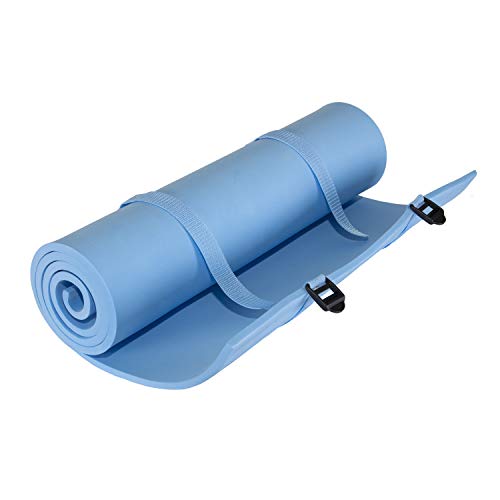
- Weighs just 9.6 ounces.
- Waterproof, puncture-proof foam construction.
- Roll-up straps make packing simple.
Best For: Minimalist hikers who want the lightest basic foam pad
Classic Ultralight Foam – Therm-a-Rest Z Lite Original
If you want a simple, durable option in closed cell foam sleeping pads, the Therm-a-Rest Z Lite Original is a long-running favorite for backpackers who value reliability over luxury. Its accordion fold design packs down easily, and the dimpled foam helps trap heat for added warmth in cool conditions.
Best For: Backpackers and mountaineers who want a dependable, economical foam pad that is easy to pack.
Pros:
- Lightweight at 14 ounces and compact when folded
- Closed-cell foam construction is durable and dependable
- Dimpled surface is designed to trap heat for extra warmth
- Softer top foam and denser bottom foam improve comfort and insulation
Cons:
- Basic foam design offers less cushioning than thicker sleeping systems
- 20-inch width may feel narrow for some sleepers
As a classic closed-cell foam pad, this model focuses on low weight, dependable warmth, and easy packing rather than plush comfort. It is a strong pick if you want a proven ground pad that has stayed popular for generations.
Reflective Budget Foam – Foldable IXPE Camping Pad
This foldable option stands out among closed cell foam sleeping pads for combining IXPE foam with an aluminum film backing to reflect body heat. It is built for waterproof, moisture-proof use and gives you a simple, portable sleeping surface for camping, trekking, or even a park rest stop.
Best For: Budget-minded hikers and campers who want reflective insulation and a waterproof foam pad.
Pros:
- Heat-reflective aluminum film helps capture body warmth
- Waterproof and moisture-proof for damp ground conditions
- Foldable design makes it easy to carry
- Generous 72.8 x 23.6 inch size with 0.7 inch thickness
Cons:
- Heavier than the lightest foam pad options at 396 grams
- Bulky folded size compared with minimalist closed-cell pads
If warmth and weather resistance matter more than shaving every ounce, this pad offers a practical feature set for the price-minded buyer. It is a straightforward foam sleeping mat with useful insulation and portability.
Reflective Warmth Pick – Therm-a-Rest Z Lite Sol
Therm-a-Rest Z Lite Sol Camping and Backpacking Sleeping Pad, Blue/Silver, Regular - 20 x 72 Inches
Check Price On AmazonFor buyers comparing closed cell foam sleeping pads, the Therm-a-Rest Z Lite Sol adds a reflective ThermaCapture coating to the familiar accordion-fold design. It keeps the same packable, durable feel as the classic version while increasing warmth for cooler nights on the ground.
Best For: Backpackers who want a lightweight foam pad with extra warmth from a reflective surface.
Pros:
- Reflective ThermaCapture coating boosts warmth by 20 percent
- Lightweight at 14 ounces and easy to pack
- Closed-cell foam construction is durable and dependable
- Dimpled foam and denser bottom layer add comfort and insulation
Cons:
- Still a basic foam pad without the plush feel of thicker mattresses
- 20-inch width may be tight for some sleepers
This is a smart step up if you like the original Z Lite idea but want more thermal performance. It remains an uncomplicated, trail-ready option that prioritizes warmth, durability, and low weight.
Featherweight Trail Pad – Ultralight XPE Foam Sleeping Pad
If you need one of the lightest closed cell foam sleeping pads in this roundup, this XPE foam model is built for portability first. It uses raised nodes for support, a heat-reflective aluminum film for warmth, and a foldable layout that makes it easy to stash in a pack.
Best For: Hikers and campers who want an ultra-light foam pad with reflective insulation.
Pros:
- Very light at 0.7 lbs
- Heat-reflective aluminum film helps provide cyclic warmth
- Raised nodes are designed to support the back
- Foldable and portable for hiking, camping, and mountaineering
Cons:
- Only 0.36 inches thick, so cushioning is limited
- Less substantial feel than thicker foam sleeping pads
This pad is a strong fit for fast-moving trips where weight and packability matter most. It delivers practical insulation and moisture protection without adding much bulk.
Ultralight Insulated Pick – Featherstone Outdoor El Cordion R-2.1 Foam Pad
If you want closed cell foam sleeping pads for cold-weather backpacking without the hassle of inflation, this Featherstone option is built around insulation, durability, and low weight. Its ASTM F3340-rated R-value of 2.1 and reflective thermal film are aimed at retaining warmth, while the hexagonal node design adds coverage and lift off the ground.
Best For: Ultralight hikers and thru-hikers who want a simple, insulated foam pad that won’t deflate.
Pros:
- ASTM F3340-rated R-value 2.1 for added insulation
- Hexagonal nodes provide 40% more coverage than traditional egg-crate foam
- Ultralight 455 g design with a durable closed-cell build
- Will not deflate like an air pad
Cons:
- Listed as not water resistant
- Only 5.51 inches wide when packed, so it is a minimalist carry
- Comfort will still be foam-based rather than plush-airpad soft
This is a straightforward cold-weather foam pad for backpackers who prioritize dependable warmth and low maintenance. The lifetime warranty adds peace of mind, but the main appeal is the mix of insulation and simplicity.
Versatile Foldable Choice – REDCAMP Waterproof R-2.1 Foam Pad
Among closed cell foam sleeping pads, this REDCAMP model stands out for its foldable design and broad all-around utility. The 0.75-inch IXPE foam, waterproof construction, and R-value 2.1 make it practical for backpacking, car camping, or any setup where you want a simple insulating layer that packs quickly.
Best For: Campers and hikers who want a foldable foam pad that doubles as a seat cushion or gear layer.
Pros:
- R-Value 2.1 insulation for cold or damp ground
- Triple-panel accordion fold packs easily into a backpack
- Waterproof closed-cell foam is easy to clean and moisture-proof
- Multipurpose use as a seat cushion, ground cover, or gear pad
Cons:
- At 1.1 pounds, it is heavier than the lightest foam options
- Bulkier than a rolled minimalist pad when packed
- Comfort level is good for foam, but still firm by design
This is a practical pick if you value versatility and easy packing over absolute minimum weight. The side loops and rugged construction make it especially useful for campers who like gear that can do more than one job.
Space-Saving Budget Pick – Peanut Shape Ultralight Foam Sleeping Pad
If you’re shopping closed cell foam sleeping pads for simple, reliable ground insulation, this peanut-shape model focuses on portability and easy storage. The accordion-style layout, waterproof construction, and lightweight IXPE foam make it a practical choice for backpacking, tent use, or as an extra layer under an inflatable mattress.
Best For: Budget-minded hikers who want a lightweight foam pad with a compact fold and multiple uses.
Pros:
- Accordion-style peanut shape saves space when packed
- Lightweight IXPE foam provides closed-cell comfort and support
- Waterproof and moisture-proof for outdoor use
- Can also be used as a seat, hammock tent pad, or mattress protector
Cons:
- No listed R-value, so warmth is less clearly defined than on insulated models
- Specific packed dimensions are not provided
- Foam comfort remains firmer than inflatable sleeping pads
This pad is best when compact storage and low-maintenance use matter more than detailed thermal specs. It offers the core benefits people expect from closed cell foam sleeping pads: durability, water resistance, and no-risk insulation from deflation.
Wide Comfort Pick – Lightweight 72×22 Foldable Foam Pad
If you want closed cell foam sleeping pads that balance comfort, insulation, and easy carry, this REDCAMP foldable option is built for practical camping and backpacking. Its 72 x 22 inch size, 0.75 inch thickness, and R-2.1 insulation give it a more substantial feel than very thin foam mats while still staying lightweight and packable.
Best For: Campers and backpackers who want a wider, cushier foam pad with solid basic insulation.
Pros:
- 72 x 22 inch surface gives you extra room to stretch out.
- 0.75 inch thickness adds more cushioning than ultrathin foam pads.
- R-2.1 closed cell foam helps block ground cold on chilly nights.
- Folding design and 380 g weight keep it easy to pack and carry.
Cons:
- Not as compact as thinner roll-up foam pads.
- R-2.1 insulation is useful, but not meant for extreme cold.
Overall, this is a good pick if you value width and comfort in a closed cell foam sleeping pad without giving up portability. It also adds versatility, since it can double as a seat cushion on breaks or picnics.
Compact Warmth Pick – Ultralight IXPE Foam Mattress
For buyers comparing closed cell foam sleeping pads, this ultralight IXPE model stands out for its peanut-shape, accordion-style packing, and heat-reflective aluminum film. The design is aimed at saving space while still giving you a moisture-proof foam sleep surface that won’t deflate like an air pad.
Best For: Ultralight backpackers who want a compact, moisture-proof foam pad with added warmth reflection.
Pros:
- Peanut-shape and accordion-style design help it pack down efficiently.
- IXPE foam construction is lightweight and supportive.
- Aluminum film coating reflects heat and improves warmth.
- Won’t deflate like air sleeping pads.
Cons:
- Shape is less traditional than a standard rectangular mat.
- Compact design may feel less roomy to some sleepers.
This is a smart choice if space saving and reliability matter most. It leans into the strengths of closed cell foam sleeping pads: durability, moisture resistance, and simple no-fuss performance.
Ultralight Minimalist Pick – Roll-Up Closed Cell Foam Mat
If you need a simple, dependable option among closed cell foam sleeping pads, the Stansport Pack Lite keeps the focus on low weight and basic ground insulation. Its 72 x 19 inch size, 3/8 inch thickness, and waterproof, puncture-proof construction make it a straightforward choice for hiking and outdoor sleep.
Best For: Minimalist campers who want a very light, no-frills foam pad with easy roll-up storage.
Pros:
- Very lightweight at 9.6 ounces.
- Closed cell foam helps keep cold and dampness away.
- Waterproof and puncture-proof construction adds durability.
- Roll-up design with straps makes storage and transit easy.
Cons:
- 19-inch width is narrower than some other foam pads.
- 3/8 inch thickness offers less cushioning than thicker models.
This pad makes sense if you want the lightest possible foam solution and don’t need much bulk or plushness. It’s a classic utility-first pick for backpacking, camp use, and emergency ground insulation.
How We Picked These Closed Cell Foam Sleeping Pads
We focused on the features that matter most on trail: weight, packed size, insulation, durability, water resistance, and practical comfort. For Closed Cell Foam Sleeping Pads, value also depends on whether the pad is easy to deploy, fold, or strap to a pack without adding hassle.
We favored models that balance reliability and portability, with an eye toward backpacking use, camp versatility, and long-term toughness.
Quick Comparison: What Matters Most
Some pads prioritize minimal weight and maximum simplicity, while others offer a more comfortable surface or better insulation at the cost of a little bulk. If you want the easiest carry, choose a lighter folding or roll-up pad. If you want better cold-ground protection, look for thicker foam, reflective surfaces, or higher R-value where available.
Key Buying Factors for Closed Cell Foam Sleeping Pads
Insulation and Ground Protection
Closed cell foam naturally resists heat loss and performs well even when wet, which is why it remains popular for shoulder-season camping and emergency sleep systems. If you camp on cold ground often, insulation should be a top priority.
Portability and Packed Size
Folding designs are usually quicker to pack and unpack, while roll-up styles can be simple and durable. Check whether the pad fits your pack layout, especially if you prefer to carry it on the outside of your backpack.
Durability and Weather Resistance
One of the biggest advantages of Closed Cell Foam Sleeping Pads is their resistance to punctures and moisture. They are ideal for rough campsites, rocky terrain, and trips where reliability matters more than plush comfort.
Comfort and Coverage
Foam pads vary in thickness, length, and surface texture. Broader or longer pads can improve sleep quality, but they may also add weight and reduce packability. Consider whether you need full-body coverage or just a lightweight sleep base.
Who Should Buy Which Closed Cell Foam Sleeping Pads?
Choose a minimal closed cell foam pad if you want the lightest, most dependable option for fast-and-light backpacking. Pick a more cushioned or wider pad if you camp frequently and want extra comfort for side sleeping or longer trips.
These pads are also a strong fit for hikers who want a backup layer under an inflatable mattress, budget-conscious campers, and anyone who values simplicity over complexity. If you need a sleeping pad that is hard to damage and easy to trust, closed cell foam remains one of the best no-fuss choices for 2026.