The best compact hiking backpacks make it easier to carry essentials without the bulk of a full-size trekking pack. These lightweight, packable options are suited to day hikes, travel, cycling, and spontaneous outdoor trips.
We selected 10 models with different capacities, features, and carrying designs—from simple foldable daypacks to hydration-focused packs—so you can match your choice to your usual route and load.
Best 10 Compact Hiking Backpacks Picks for 2026
Best Ultralight Value
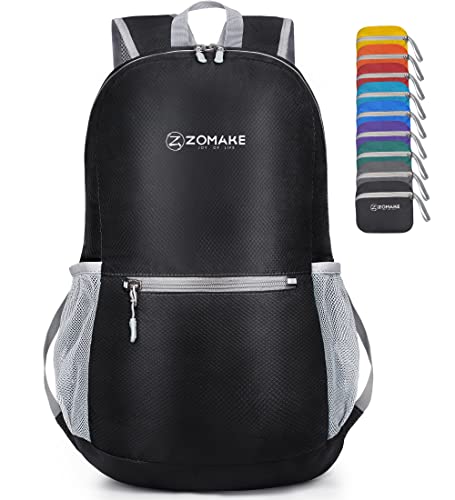
- 20L capacity in a 0.5-pound pack
- Folds into a compact pocket
- Water-resistant nylon with four pockets
Best For: Travelers needing a lightweight backup daypack
Best Travel Backup

- 0.329-pound collapsible design
- 18L capacity for day trips
- Padded straps and sternum strap
Best For: Travelers adding a lightweight daypack to their luggage
Best Organized Foldable Pack

- Six-pocket layout for organized packing
- Chest strap includes a safety whistle
- Folds for luggage or car storage
Best For: Casual hikers wanting organization and stability
Best Hydration Option
TETON Oasis Hydration Backpack

- Includes a 2L hydration bladder
- 18L storage with an insulated bladder pocket
- Rain cover and weather-guarded zippers
Best For: Active outings requiring built-in hydration
Best Overall
WATERFLY 20L Packable Hiking Daypack

- 20L capacity with four zippered compartments
- Folds to about 8.7 x 6.3 inches
- Lightweight, water-resistant recycled nylon
Best For: Day hikes, travel, and everyday carry
Lightest Pick
4Monster 16L Packable Hiking Daypack
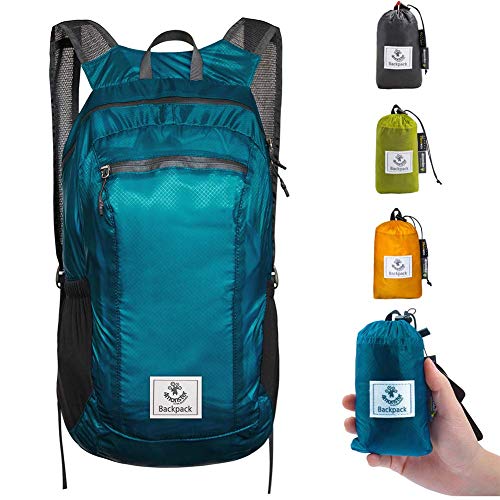
- Weighs only 4 ounces
- Folds into a wallet-sized pouch
- 16L layout with side bottle pockets
Best For: Ultralight backup carry for travel and day trips
Most Organized
Small 10L Packable Hiking Backpack

- Seven pockets for organized storage
- Removable shoulder-strap phone pocket
- Folds to about 5.9 x 7.5 x 2.3 inches
Best For: Short hikes, biking, and essential-only outings
Lightweight Organizer
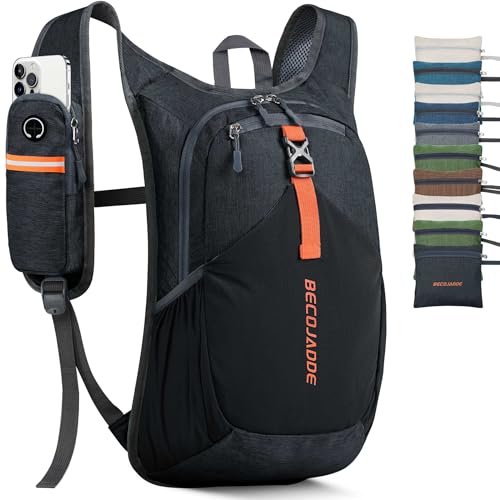
- Folds into a compact zippered pocket
- Multiple pockets plus two bottle holders
- Chest belt includes a survival whistle
Best For: Organized day hikes, travel, and commuting
Packable 20L Pick
G4Free Lightweight Hiking Backpack
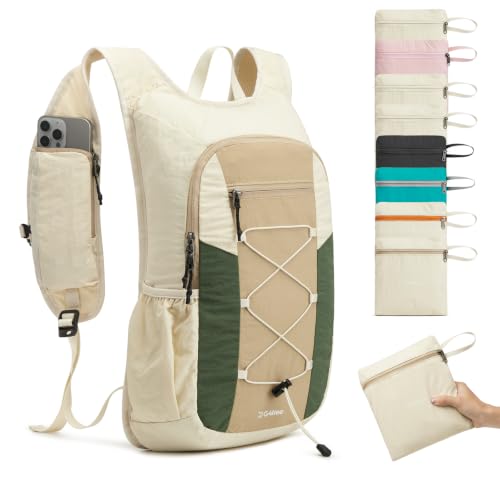
- 20L capacity at only 0.64 pounds
- Folds into its own inner pocket
- Water-repellent Taslan nylon construction
Best For: Travelers needing extra daypack capacity
Feature-Rich Color Option

- Two main compartments and multiple pockets
- Strap pocket fits phones up to 7 inches
- Reflective strips and adjustable chest strap
Best For: Stylish, organized hikes and travel
Best Ultralight Value – ZOMAKE Packable Daypack
For shoppers comparing compact hiking backpacks, the ZOMAKE Packable Daypack stands out for its very low weight, 20-liter capacity, and small folded footprint. Its water-resistant nylon construction and multiple pockets make it a practical choice for light travel, walking, and day hikes, though it is not completely waterproof.
Best For: Travelers and hikers who want a lightweight backup daypack with useful organization.
Pros:
- Weighs about 0.5 pounds and folds to roughly sandwich size.
- 20-liter capacity with four pockets, including side bottle pockets.
- Water-resistant, tear-resistant nylon with reinforced stitching.
- Reflective accents and an ergonomic shoulder design support walking after dark.
Cons:
- Water resistant rather than fully waterproof.
- Maximum recommended load is 15 pounds.
The ZOMAKE is a strong pick when portability matters most. It offers more capacity than many emergency-style packs while remaining easy to stash in luggage, a handbag, or another backpack.
Best Travel Backup – Osprey Ultralight Stuff Pack
The Osprey Ultralight Stuff Pack is one of the most convenient compact hiking backpacks for adding day-trip capacity to a suitcase or larger travel bag. It weighs just 0.329 pounds, collapses easily, and includes comfort-focused shoulder straps, although it is not water resistant.
Best For: Travelers who want a reputable, ultralight daypack for excursions and carrying extra purchases.
Pros:
- Extremely light at 0.329 pounds.
- 18-liter capacity for day trips and travel essentials.
- Padded, breathable shoulder straps with an adjustable sternum strap.
- Stretch side pockets and an internal key clip improve organization.
Cons:
- Not water resistant.
- Single main compartment offers less separation than some alternatives.
This Osprey is best viewed as a minimalist travel daypack rather than a weather-ready hiking bag. Its low weight, packability, and comfortable harness make it especially useful as an extra bag on trips.
Best Organized Foldable Pack – SKYSPER 15L Hiking Backpack
The SKYSPER 15L is a practical option among compact hiking backpacks for shoppers who prefer structured organization in a foldable design. It provides six pockets, water-resistant polyester, and a chest strap with a safety whistle, while its 15-liter capacity keeps it suited to lighter outings.
Best For: Casual hikers, walkers, and travelers who want organized storage and added chest-strap stability.
Pros:
- Six pockets, including three zippered pockets and a hidden back pocket.
- Folds to about 7.9 by 6.7 inches for easy storage.
- Chest strap with safety whistle helps improve stability.
- Water-resistant polyester with reinforced handles and stitching.
Cons:
- 15-liter capacity is smaller than several competing options.
- At approximately 0.75 pounds, it is not the lightest pack listed.
The SKYSPER balances portability with better-than-basic organization. Choose it when accessible pockets and a chest strap are more important than achieving the absolute lowest packed weight.
Best Hydration Option – TETON Oasis Hydration Backpack
The TETON Oasis is a strong choice for compact hiking backpacks when drinking water on the move is a priority. It includes a 2-liter bladder, insulated hydration storage, organized 18-liter capacity, and a sewn-in rain cover, making it more trail-ready than a basic packable daypack.
Best For: Hikers, runners, cyclists, and bikers who want integrated hydration and weather protection.
Pros:
- Includes a 2-liter bladder with a kink-free tube and cushioned bite valve.
- 18-liter storage provides room for gear beyond hydration supplies.
- Insulated bladder pocket helps keep water cold for hours.
- Sewn-in rain cover, weather-guarded zippers, and bungee storage support outdoor use.
Cons:
- At 2 pounds, it is substantially heavier than ultralight packable models.
- The supplied notes specify an 18-liter version, while the product line also references 22-liter sizing.
The Oasis trades minimal weight for a complete hydration setup and stronger outdoor features. It is the better fit for active outings where water access and rain protection matter more than compact packed size.
Best Overall – WATERFLY 20L Packable Hiking Daypack
For shoppers comparing compact hiking backpacks, the WATERFLY offers a useful balance of carrying space and packability. Its 20-liter capacity, lightweight recycled nylon construction, and multiple compartments make it practical for day hikes, travel, and everyday outings.
Best For: Hikers and travelers who want a roomy, foldable daypack for day trips and general outdoor use.
Pros:
- 20-liter capacity with a main pocket, two front pockets, and a removable zipper pocket
- Folds to approximately 8.7 x 6.3 inches for easier storage in luggage
- Lightweight 10.2-ounce recycled nylon construction
- Water-resistant exterior and smooth-operating SBS zippers
Cons:
- Larger when unfolded than the smaller packs in this roundup
- Designed as a lightweight daypack rather than a heavy-load hiking pack
The WATERFLY is a strong all-purpose choice when capacity matters without giving up a foldable design. Choose it over smaller options when you need room for extra layers, snacks, and travel essentials.
Lightest Pick – 4Monster 16L Packable Hiking Daypack
If minimum carry weight is your priority, the 4Monster is one of the most compact hiking backpacks to consider. Weighing just 4 ounces and folding into a wallet-sized pouch, it works well as a backup bag while still providing space for day-trip essentials.
Best For: Ultralight travelers, hikers, and commuters who want a compact spare backpack for light loads.
Pros:
- Extremely light 4-ounce construction
- Folds into a compact, wallet-sized pouch
- 16-liter storage with a main compartment, front zipper pocket, and two mesh side pockets
- Water-resistant nylon helps protect contents from light rain and splashes
Cons:
- Water resistance is intended for light rain and splashes, not heavy wet conditions
- Its lightweight design is better suited to light day-trip loads
The 4Monster stands out when portability matters more than maximum capacity. It is especially convenient to keep in a suitcase, pocket, or larger bag until extra carrying space is needed.
Most Organized – Small 10L Packable Hiking Backpack
The Small Hiking Backpack is a compact option for shoppers who prefer organized access to a limited load. This 10-liter pack includes seven pockets, a removable shoulder-strap phone bag, and an adjustable chest buckle, making it useful for short hikes, biking, and daily errands.
Best For: Short outings where easy-access storage for a phone, bottle, snacks, and small essentials is more important than large capacity.
Pros:
- Compact 10-liter capacity and fold size of approximately 5.9 x 7.5 x 2.3 inches
- Seven pockets for separating hiking and everyday essentials
- Removable shoulder-strap phone pocket fits phones up to 7 inches
- Includes a side elastic pocket, adjustable chest buckle, and whistle
Cons:
- 10-liter capacity limits the amount of clothing and gear it can carry
- Smaller than the 16L and 20L daypacks in this roundup
This pack is a good fit when you want a genuinely small hiking bag with numerous access points. Its thoughtful pocket layout and strap storage make it more specialized for essentials than for bulky day-hike gear.
Lightweight Organizer – BECOJADDE 15L Hiking Daypack
For shoppers comparing compact hiking backpacks, the BECOJADDE 15L stands out as a lightweight, foldable option with multiple storage zones and useful strap pockets. Its breathable mesh shoulder straps, adjustable chest belt, and water-resistant polyester construction suit day hikes, travel, and everyday outdoor use.
Best For: Hikers and travelers who want a compact, organized daypack that folds into its own pocket.
Pros:
- Folds into a compact 7 x 6.3-inch zippered pocket for travel and storage.
- Includes a zippered phone pocket, drawstring strap pocket, two bottle holders, and a rear anti-theft pocket.
- Adjustable chest belt includes a built-in survival whistle.
- Lightweight 310-gram design with breathable mesh shoulder straps.
Cons:
- Its 15L capacity is better suited to day trips than extended outings.
- Hand-wash care is recommended.
The BECOJADDE is a practical pick when packability and organization matter more than carrying capacity. Its strap-mounted storage and chest-belt adjustments add convenience on active days.
Packable 20L Pick – G4Free Lightweight Hiking Backpack
Among compact hiking backpacks, the G4Free 20L offers extra capacity while remaining easy to stash in luggage or a larger pack. Its lightweight Taslan nylon body, water-repellent finish, and straightforward compartment layout make it useful for hiking, cycling, camping, and travel.
Best For: Travelers and hikers who want a larger packable daypack without much added weight.
Pros:
- Provides 20L of storage while weighing only 0.64 pounds.
- Folds into its inner pocket to about 6.3 x 7.1 inches.
- Water-repellent Taslan nylon helps handle light rain and abrasions.
- Includes a main compartment, internal pockets, front pocket, and two side pockets.
Cons:
- The notes describe water repellency rather than full waterproof protection.
- Its listed pockets and compartments provide less segmentation than some more heavily organized daypacks.
The G4Free is a strong choice for buyers prioritizing the best balance of usable capacity and packability. The 20L volume gives it more room for layers and supplies while keeping the overall design travel-friendly.
Feature-Rich Color Option – 15L Packable Hiking Daypack
This 15L model brings a more distinctive look to the compact hiking backpacks category while adding accessible strap storage, reflective details, and several compartments. It folds for travel and uses reinforced stitching and SBS zippers for a practical daypack suited to hiking, cycling, and casual use.
Best For: Hikers and travelers who want a colorful, organized pack with quick-access storage and nighttime visibility details.
Pros:
- Two zippered main compartments help separate clothing, food, and outdoor tools.
- Left strap pocket fits phones up to 7 inches, while the right drawstring pocket keeps small items accessible.
- Folds to about 8.3 x 7.5 x 6.3 inches and weighs 13.4 ounces.
- Reflective strips and an adjustable chest strap support visibility and a secure fit.
Cons:
- The 15L capacity limits how much gear it can carry on longer outings.
- The folding dimensions are larger than some similarly sized packable bags.
- The colorful design may not suit shoppers seeking a subdued appearance.
This daypack is appealing when organization, quick access, and visual style are as important as compact storage. Its reflective strips and multiple compartments add useful touches for active everyday use.
How We Picked the Best Compact Hiking Backpacks
We focused on the features that matter most in a small outdoor pack: useful capacity, low packed size, carrying comfort, weather resistance, organization, and versatility. The selection includes lightweight foldable backpacks for travel and backup use, as well as larger daypacks and hydration models for longer outings.
We also considered whether each design offers practical details such as a chest strap, hydration compatibility, rain protection, accessible pockets, and reinforced construction. Because “lightweight” can mean different things depending on the intended use, the list covers both minimalist packs and more structured options.
Quick Comparison
| Best For | Look For | Typical Capacity |
|---|---|---|
| Travel backup | Small packed size and simple storage | 15–20 liters |
| Day hiking | Chest strap, breathable panels, and durable fabric | 15–22 liters |
| Hydration-focused outings | Included bladder or dedicated hydration compartment | 18–22 liters |
| Casual everyday carry | Light weight, accessible pockets, and comfortable straps | 15–20 liters |
Key Buying Factors for Compact Hiking Backpacks
Capacity and Packed Size
A 15-liter pack is usually enough for water, snacks, a light layer, sunscreen, and small personal items. Choose 20 liters or more if you carry extra clothing, lunch, camera gear, or family essentials. For travel, check both the usable capacity and how compactly the backpack folds when stored.
Comfort and Fit
Look for adjustable shoulder straps and, ideally, a chest strap to reduce movement on uneven terrain. Lightweight packs often have minimal padding, so pay attention to strap width, back ventilation, and how the load is distributed. A compact design should still sit securely rather than sag away from your body.
Weather Protection and Durability
Water-resistant fabric can handle light rain and splashes, but it is not always waterproof. If you hike in changing weather, a built-in rain cover or dry bags may be worthwhile. Also check zipper quality, seam construction, and reinforcement at stress points.
Organization and Hydration
Multiple compartments make it easier to separate snacks, electronics, and wet layers. A hydration sleeve or included bladder is especially useful when you want to drink without stopping, while simple packs may be better for low-cost, occasional use.
Who Should Buy Which Compact Hiking Backpacks?
Choose a minimalist foldable model if you need a backup bag for flights, sightseeing, errands, or short walks. For regular day hikes, prioritize a 15- to 20-liter pack with a chest strap, supportive fit, and water-resistant materials. If you frequently hike, run, cycle, or want hands-free access to water, a hydration backpack is the more practical choice.
Travelers should favor low packed weight and compact storage, while photographers, parents, and campers may benefit from additional capacity and compartments. Before buying, compare the pack’s dimensions with your torso and intended load; the lightest option is not necessarily the most comfortable when fully loaded.