Choosing the right drysuit for ocean use means balancing waterproof protection, breathability, mobility, insulation, and long-term durability. The best option depends on whether you are kayaking, sailing, diving, fishing, or combining a shell suit with separate thermal layers.
We gathered 10 options suited to cold-water activities and highlighted the features that matter most when conditions are wet, windy, and unpredictable. Use the guide below to narrow the list by activity, fit, construction, and budget.
Best 10 Drysuits for Ocean Use Picks for 2026
Offshore Performance Pick

- Waterproof-breathable three-layer fabric
- Taped seams and Aquaseal front zipper
- Reinforced knees, seat, and fabric socks
Best For: Offshore and inshore sailing in rough, wet conditions
Warmth-Focused Diving Pick
Hollis NeoTek V2 Semi-Dry Suit
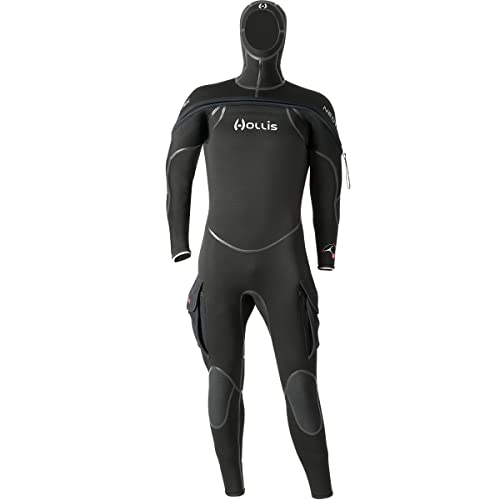
- Thick 8/7/6 mm neoprene construction
- ThermaSkin inner liner for warmth
- Hood and internal neck, wrist, and ankle dams
Best For: Cold-water scuba diving
Versatile Paddling Pick

- Three-layer taped nylon construction
- Relaxed fit accommodates thermal layers
- Hood, relief zipper, pads, and splashproof pockets
Best For: Cold-water kayaking, paddling, and boating
Simple Entry-Level Option
Men's Three-Layer Waterproof Drysuit

- Three-layer waterproof design
- Breathable material for active use
- Suitable for kayaking, surfing, and sailing
Best For: General cold-water and water-sports use
Neoprene Semidry Pick
Hollis NeoTek 8/7/6mm Semidry Dive Drysuit

- Thick 8/7/6mm neoprene construction
- Lavaskin inner liner
- Internal neck, wrist, and ankle dams
Best For: Adult divers prioritizing insulation and semidry sealing
Warmth-Focused Dive Suit
SEAC Warmdry 4mm Neoprene Dry Suit

- 4mm neoprene full-body design
- Semi-rigid fast-drying boots
- Hood, hose, straps, and bag included
Best For: Divers seeking an equipped neoprene dry-suit package
Best for Comfort
Drryfsh Cold-Water Relief-Zipper Drysuit

- Waterproof, breathable three-layer laminate
- Relief zipper for easier bathroom access
- 600D reinforcements and self-draining pockets
Best For: Kayaking, sailing, rafting, and other surface watersports
Insulated Ocean Dive Pick

- ARGON Aerogel insulation
- Reinforced critical-wear seams
- Lightweight slim-fit design
Best For: Adult divers on ocean diving trips
Lightweight Touring Choice
Lightweight Paddling and Boating Drysuit

- Three-layer waterproof breathable shell
- Adjustable latex seals and cuffs
- Integrated socks and multiple pockets
Best For: Paddling, boating, fishing, and touring
Visibility-Focused Kayak Pick
Kayak Drysuit with Stowable Hood

- Breathable three-layer nylon shell
- Stowable hood and relief zipper
- Reflective patches and neoprene overskirt
Best For: Cold-water kayaking, sailing, and paddling
Offshore Performance Pick – Men's Pro Drysuit
For sailors seeking drysuits for ocean use, this Pro Drysuit emphasizes waterproof protection, breathability, and durability for demanding offshore or inshore conditions. Its taped seams, waterproof front zipper, reinforced panels, and adjustable fit are designed for heavy spray, wet decks, and extended time on the water.
Best For: Offshore sailing, inshore sailing, and cold-water ocean outings where rugged protection and mobility matter.
Pros:
- Three-layer waterproof-breathable XPLORE+ fabric with PFAS-free water-repellent technology
- Fully taped seams and a YKK Aquaseal waterproof front zipper with storm flap
- Reinforced knees and seat, durable fabric socks, and adjustable suspenders
- Pre-marked Glideskin neck and cuff seals allow a customizable fit
Cons:
- Listed in an adult X-Large size only
- At 3 pounds, it may be less compact than lighter minimalist options
This is a strong ocean-oriented choice for users who prioritize reliable weather protection and reinforced construction. The thigh pocket and stretch waist add useful practicality without sacrificing a performance-focused design.
Warmth-Focused Diving Pick – Hollis NeoTek V2 Semi-Dry Suit
Among drysuits for ocean use, the Hollis NeoTek V2 takes a warmth-first approach with thick neoprene, a hooded full-body design, and internal water-blocking dams. It is built for scuba diving rather than lightweight paddling, making insulation and cold-water comfort its main priorities.
Best For: Cold-water scuba divers who want a hooded semi-dry suit with substantial neoprene insulation.
Pros:
- 8/7/6 mm mix of compression-resistant and super-stretch neoprene
- ThermaSkin inner liner supports warmth and comfort
- G-lock horizontal front zipper with internal bib
- Internal neck, wrist, and ankle dams help limit water entry
Cons:
- Its 10-pound listed weight is heavier than lightweight fabric drysuits
- Designed as a semi-dry scuba suit, not a general-purpose sailing shell
- Listed in an adult XX-Large size only
The NeoTek V2 makes the most sense when insulation is more important than low weight or compact packing. Its thick neoprene construction and integrated hood suit cold-water diving, while the semi-dry design distinguishes it from fully waterproof shell suits.
Versatile Paddling Pick – Men's Kayaking Drysuit
This Drryfsh suit is a practical option for shoppers comparing drysuits for ocean use across kayaking, sailing, rafting, and other cold-water activities. Its three-layer nylon construction, taped seams, fabric socks, and relaxed fit are aimed at keeping water out while leaving room for thermal layers.
Best For: Kayaking, paddling, touring, boating, and sailing in cold water, especially when layering flexibility is important.
Pros:
- Three-layer nylon with tricot finish and fully taped seams
- Latex neck and wrist gaskets plus a removable, stowable hood
- Rear-entry and relief zippers, double waist overskirt, and fabric socks
- Removable knee and drop-seat pads with two splashproof thigh pockets
Cons:
- Hand-wash-only care may require more maintenance
- Latex components may not suit users with latex sensitivities
- Listed in an adult X-Large size only
With its relaxed fit and removable pads, this suit is especially adaptable for active paddling and layered cold-water use. The rear entry, relief zipper, hood, and storage pockets also make it a feature-rich choice for longer outings.
Simple Entry-Level Option – Men's Three-Layer Waterproof Drysuit
For buyers looking at drysuits for ocean use across kayaking and sailing, this men’s suit offers a straightforward three-layer design with breathable material and broad water-sports positioning. The supplied details emphasize cold-water coverage, durability, and all-season use without adding specialized construction specifics.
Best For: Men seeking a basic breathable suit for kayaking, surfing, sailing, or other cold-water activities.
Pros:
- Three-layer construction is intended to provide waterproof protection
- Breathable material supports comfort during active water sports
- Positioned for kayaking, scuba diving, surfing, and sailing
- Machine-washable care instructions are convenient
Cons:
- Listed fabric composition is unspecified beyond the three-layer description
- The belted closure provides fewer documented sealing details than gasketed designs
- Listed in an adult Large size only
This model may suit shoppers who want broad activity versatility and a simple feature set. Because the supplied information does not specify seam taping, socks, hood details, or gasket materials, buyers needing highly technical ocean protection should compare those details carefully.
Neoprene Semidry Pick – Hollis NeoTek 8/7/6mm Semidry Dive Drysuit
For divers comparing drysuits for ocean use, the Hollis NeoTek emphasizes thick neoprene coverage and semidry sealing features. Its 8/7/6mm neoprene mix combines compression-resistant and superstretch materials for a balance of protection and mobility.
Best For: Adult divers seeking a thick neoprene semidry suit for demanding water conditions.
Pros:
- 8/7/6mm neoprene mix provides substantial insulation.
- Lavaskin inner liner is designed for added comfort.
- Internal neck, wrist, and ankle dams help limit water entry.
- Front horizontal G-lock zipper includes an internal bib.
Cons:
- At 4 pounds, it may be less convenient to transport than lighter paddling suits.
- Its diving-focused design may be less suited to general surface watersports.
- The listed thickness and neoprene construction can feel bulkier than lightweight alternatives.
The NeoTek is a specialized choice for divers who prioritize neoprene insulation and semidry construction. Consider it when warmth and dive-oriented features matter more than minimum weight or versatility.
Warmth-Focused Dive Suit – SEAC Warmdry 4mm Neoprene Dry Suit
SEAC Men's Warmdry 4mm Neoprene Dry Suit, Black, X-Large (Model: 0060001009105A)
Check Price On AmazonThe SEAC Warmdry is a practical option among drysuits for ocean use when a complete dive package is useful. Its 4mm neoprene construction is paired with sealing details, semi-rigid boots, and included accessories for a more ready-to-use setup.
Best For: Adult divers wanting a neoprene dry suit with boots, hood, hose, straps, and storage bag included.
Pros:
- 4mm neoprene provides insulation in a full-body design.
- Semi-rigid boots turn inside-out to support faster drying.
- Bellowed 1000-denier Cordura pockets provide gear storage.
- Includes a hood, hose, straps, and fabric storage bag.
Cons:
- The listed size is XL, so fit options may be limited.
- At 5.9 pounds, it is relatively weighty for transport.
- The diving-oriented design may not be the best match for kayaking or sailing.
Choose the Warmdry if you value an included accessory package and durable storage pockets. Its 4mm neoprene build and water-blocking collar and wrist features make it more focused on dive comfort than ultralight portability.
Best for Comfort – Drryfsh Cold-Water Relief-Zipper Drysuit
For kayaking, sailing, rafting, and other surface activities, this Drryfsh suit is a versatile contender among drysuits for ocean use. Its three-layer laminate fabric, taped seams, waterproof entry zipper, and relief zipper target practical cold-water protection and convenience.
Best For: Adult paddlers and watersports users who need a lightweight, waterproof suit with storage and visibility details.
Pros:
- Three-layer fabric is described as waterproof and breathable.
- Relief zipper avoids removing the entire suit for bathroom breaks.
- 600D nylon reinforcements cover the knees, seat, and sock soles.
- Self-draining chest and sleeve pockets keep essentials accessible.
Cons:
- Latex neck and wrist gaskets may not suit users sensitive to latex.
- The fabric has no stretch, which may limit freedom of movement for some users.
- Hand-wash-only care requires extra maintenance.
This is the most surface-watersports-focused option of the three, with a lightweight 3.3-pound build, reinforced contact zones, and a relief zipper. It is a strong fit for paddlers who want practical mobility and storage rather than thick neoprene dive insulation.
Insulated Ocean Dive Pick – Bare Aqua Trek Tech Drysuit
For divers comparing drysuits for ocean use, the Bare Aqua Trek Tech emphasizes lightweight construction and added insulation. Its ARGON Aerogel insulation and reinforced critical-wear seams make it a practical option for diving trips where warmth and durability matter.
Best For: Adult divers seeking an insulated drysuit for ocean diving trips.
Pros:
- ARGON Aerogel insulation helps support warmth in cold-water conditions.
- Double-taped reinforcement at critical-wear seam points adds durability.
- Lightweight 8.6-pound construction with a slim fit.
Cons:
- Low fabric stretch may offer less freedom of movement than more flexible designs.
- Only an X-Large size is specified in the supplied details.
This suit is a focused choice for divers who prioritize insulation and seam durability. Confirm sizing and layering needs before purchase, especially with its slim, low-stretch fit.
Lightweight Touring Choice – Lightweight Paddling and Boating Drysuit
For shoppers looking at drysuits for ocean use across paddling and boating activities, this lightweight one-piece suit combines a three-layer nylon shell with practical adjustability. Its front-entry waterproof zipper, integrated socks, and multiple pockets support extended time on the water.
Best For: Paddlers, boaters, anglers, and touring users who want a lightweight relaxed-fit suit.
Pros:
- Three-layer waterproof breathable nylon shell is designed for durability and abrasion resistance.
- Trimmable latex seals and adjustable cuffs help customize the fit.
- Integrated three-ply socks, front-entry zipper, and multiple pockets add practical utility.
- Manufacturer states that each suit is fill tested and guaranteed to be dry.
Cons:
- Low-stretch fabric may feel less flexible during active movement.
- Latex components may not suit users who need latex-free gear.
- The supplied listing specifies size Large.
Its relaxed fit and feature set make it versatile for touring, fishing, and paddle sports. Review the seal construction and sizing carefully to ensure comfortable layering and a secure water barrier.
Visibility-Focused Kayak Pick – Kayak Drysuit with Stowable Hood
Waterproof Kayak Drysuit with Stowable Hood Breathable Dry Suit for Men in Cold Water (Large)
Check Price On AmazonFor those comparing drysuits for ocean use in kayaking and sailing, this breathable nylon suit adds coverage and visibility-oriented details. The stowable hood, reflective patches, splashproof chest pockets, and overskirt are designed for demanding cold-water outings.
Best For: Kayakers, sailors, rafters, and other cold-water users who value hood coverage and visibility details.
Pros:
- Three-layer nylon with DWR finish is described as waterproof, windproof, and breathable.
- Stowable removable hood and waterproof front-entry and relief zippers improve versatility.
- Reflective patches can increase visibility in low-light conditions.
- Neoprene overskirt, knee patches, and drop-seat design add coverage and comfort features.
Cons:
- Hand-wash-only care may require more maintenance.
- Latex neck and wrist gaskets may not suit users avoiding latex.
- The supplied listing specifies size Large.
This is a feature-rich option for paddlers who need extra coverage around a sprayskirt tunnel and appreciate visibility accents. Check the relaxed fit and gasket measurements before ordering.
How We Picked These Drysuits for Ocean Use
We focused on suits designed for demanding cold-water activities, including ocean kayaking, sailing, paddling, rafting, fishing, and diving. Our comparison considered waterproof construction, seam protection, breathability, insulation, mobility, entry systems, hood design, relief access, and the ability to layer underneath. We also included both lightweight shell suits and warmer neoprene or semi-dry designs because no single construction is ideal for every marine activity.
Before buying, verify the product’s sizing chart, closure layout, warranty, and intended use. A suit marketed for kayaking may not provide the insulation, pressure resistance, or dive-specific features required for scuba use.
Quick Comparison
| Best For | Recommended Style | Priority Features |
|---|---|---|
| Ocean kayaking and touring | Breathable shell drysuit | Mobility, waterproof zipper, reinforced seat and knees |
| Cold-weather paddling | Insulated or layered drysuit | Room for base layers, adjustable seals, durable fabric |
| Sailing and offshore use | Windproof breathable suit | Storm protection, hood, visibility, secure closures |
| Cold-water diving | Neoprene or dive-specific drysuit | Thermal protection, valve compatibility, dive-rated construction |
Key Buying Factors for Drysuits for Ocean Use
Waterproofing and Seams
Look for fully taped or sealed seams, a dependable waterproof zipper, and cuffs that fit snugly without restricting circulation. Latex seals usually provide a tighter barrier, while neoprene seals can offer greater comfort and warmth.
Breathability and Layering
Breathable fabric helps release perspiration during active paddling or hiking to the launch point. Choose a relaxed cut with enough space for insulating layers, but avoid excess fabric that can snag or interfere with a spray skirt, harness, or deck equipment.
Insulation and Water Temperature
Shell suits provide little warmth on their own, so they work best when paired with suitable base and mid-layers. Neoprene and semi-dry designs add insulation but may feel warmer, heavier, and less flexible during high-output activities.
Fit, Entry, and Practical Details
Check whether the zipper is front-entry or rear-entry, whether the hood is integrated or stowable, and whether the suit includes a relief zipper. Reinforced panels, adjustable suspenders, articulated knees, and secure pockets can significantly improve comfort and durability on long trips.
Who Should Buy Which Drysuits for Ocean Use?
Touring kayakers and active paddlers will generally benefit from a lightweight breathable shell with strong seat and knee reinforcement. Sailors should prioritize windproofing, a protective hood, visibility, and closures that remain secure in heavy spray. Anglers and boaters may prefer a roomy suit that accommodates insulating layers and frequent movement.
Divers should choose a purpose-built diving drysuit rather than relying on a general paddling model. For especially cold water, an insulated neoprene or semi-dry design may be preferable; in milder conditions, a breathable shell offers better flexibility. Whichever model you choose, pair it with appropriate thermal layers and a properly fitted personal flotation device, and inspect seals and seams before every outing.