The best running waist packs keep essentials secure without distracting you from your pace. This roundup compares 10 options with different storage layouts, fits, and running-focused features.
Whether you need a slim phone holder for short workouts or extra room for race-day basics, use the guide below to narrow your choices by comfort, capacity, and stability.
Best 10 Running Waist Packs Picks for 2026
Best Everyday Fit

- Separate storage for phones and small essentials
- Adjustable elastic strap with reflective strips
- Water-repellent, but not fully waterproof
Best For: Everyday runners carrying only the basics
Best for Race-Day Organization
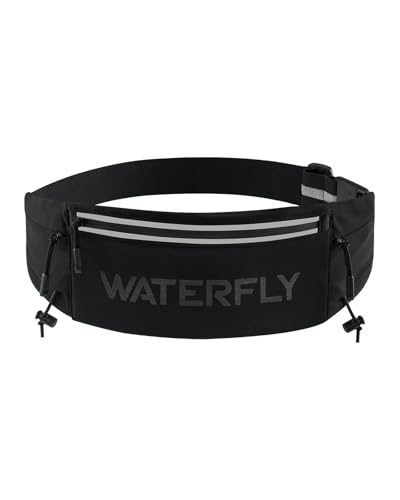
- Three pockets for organized essentials
- Phone pocket fits devices up to 7 inches
- Includes a marathon bib clip
Best For: Race participants and organized long-run storage
Best Low-Profile Design
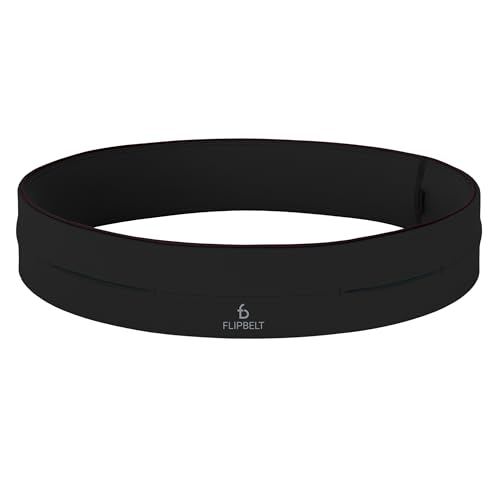
- Buckle-free design lies flat on the hips
- Four openings plus an internal key hook
- Moisture-wicking fabric with reflective logo
Best For: Runners wanting streamlined, essential-only storage
Best Extended Fit

- Fits hips up to 70 inches
- Four pockets plus a removable bungee system
- Designed for fuel, poles, and trail essentials
Best For: Larger-bodied runners and longer trail outings
Best Overall

- Expandable pocket for phones and small essentials
- Adjustable 25-47-inch bounce-free fit
- Fits popular iPhone, Samsung, Pixel, and Android phones
Best For: Runners wanting a low-profile, broadly compatible phone belt
Best Lightweight Pick
USHAKE Ultra Light Running Belt
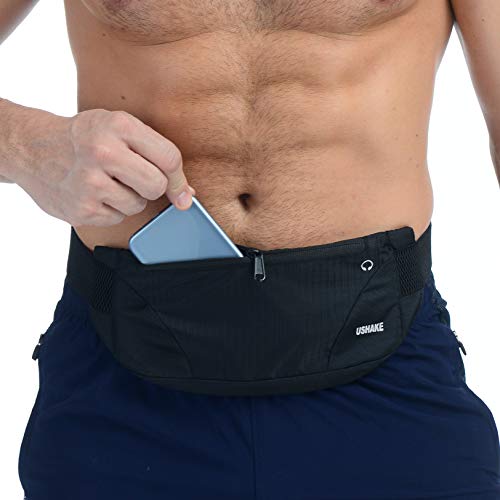
- Lightweight quick-drying nylon/polyester fabric
- Water resistant for sweat and light rain
- Two pockets plus reflective stripe and earbud hole
Best For: Runners and racers prioritizing low weight and moisture resistance
Best Multi-Pocket Design
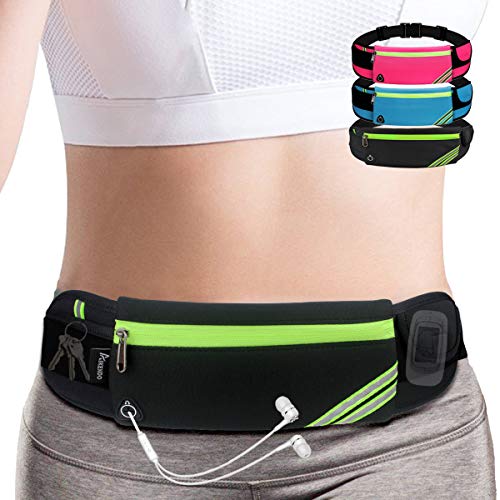
- Three pockets organize phones and small valuables
- Soft, breathable, form-fitting construction
- Water resistant with headphone-hole design
Best For: Runners and travelers who want organized storage
Best Overall Capacity

- Three pockets fit a phone and essentials
- Breathable, sweat-wicking Spandex fabric
- Reflective details and headphone port
Best For: Runners who need extra storage
Best Slim Design

- Low-profile pocket fits phones with cases
- Adjustable fit for 27- to 46-inch waists
- Water-resistant layer and reflective strips
Best For: Minimalist phone-only carry
Best Three-Pocket Value

- Three pockets organize running essentials
- Lightweight design helps reduce bulk
- Water-resistant and reflective construction
Best For: Active users needing organized carry
Best Everyday Fit – Compact Running Belt
The Fitgriff running belt is a practical choice for carrying a phone, keys, cash, or cards without taking a bulky bag. Its adjustable elastic strap is designed to stay in place, while water-repellent fabric and reflective strips add useful protection for everyday runs.
Best For: Runners who want a compact, adjustable waist pack for phones and small essentials.
Pros:
- Main and small compartments help separate a phone from keys, cash, and cards.
- Adjustable elastic belt is designed for a secure fit.
- Water-repellent construction helps protect against sweat and light rain.
- Reflective strips improve visibility in low-light conditions.
Cons:
- It is not fully waterproof and may allow moisture through the seams during heavy or prolonged rain.
- The listed S-M model has a 35-inch strap length, so sizing should be checked carefully.
- Hand washing is recommended.
With its lightweight 85-gram design and straightforward storage, this is a sensible option for short runs, walks, and other activities where you only need the basics.
Best for Race-Day Organization – Bib-Ready Running Belt
The WATERFLY running waist pack combines three pockets with a built-in marathon bib clip, making it useful for organized races and longer training sessions. Breathable mesh, an elastic adjustable band, and reflective strips support comfort and visibility while you run.
Best For: Marathon and triathlon participants who need organized storage and a bib attachment.
Pros:
- Three pockets keep a phone, earphones, gels, tissues, and keys organized.
- Water-resistant phone pocket fits phones up to 7 inches.
- Included clip attaches hole-punched race bibs.
- Breathable, moisture-wicking mesh and reflective strips support active use.
Cons:
- The adjustable waist range is listed as 30 to 39 inches.
- Water resistance is not described as fully waterproof.
- Hand washing is recommended.
For runners who value compartments and race functionality, the bib clip and three-pocket layout make this more specialized than a basic phone belt.
Best Low-Profile Design – FlipBelt Classic
The FlipBelt Classic is a low-profile option among running waist packs, designed to lie flat on the hips without buckles. Four pocket openings, an internal key hook, and moisture-wicking fabric provide convenient storage for a phone and small workout essentials.
Best For: Runners who prefer a buckle-free belt with bounce-free storage and a streamlined fit.
Pros:
- Four openings provide flexible storage for phones, cards, cash, and earphones.
- Internal key hook adds extra security for keys.
- Moisture-wicking, quick-drying fabric is soft during workouts.
- Reflective logo improves visibility while jogging, walking, or hiking.
Cons:
- It is not water resistant.
- The pull-on design requires careful sizing for the intended wearing position.
- It is designed for small vital essentials rather than bulky gear.
This belt is a strong fit for users who dislike buckles and want storage that sits smoothly against the body. Check the sizing guidance closely, since fit changes depending on where you wear it.
Best Extended Fit – Osprey Duro Dyna LT Belt
The Osprey Duro Dyna LT is one of the more capable running waist packs for runners who need extra room and trail-focused organization. Its extended belt fits hips up to 70 inches, while four storage areas and a removable bungee system accommodate essentials, fuel, poles, or an extra layer.
Best For: Larger-bodied runners and trail users carrying more gear on longer outings.
Pros:
- Extended fit accommodates hips up to 70 inches.
- Four storage areas include a zippered pocket, drop-in pocket, rear stretch pocket, and phone stabilizer pocket.
- Removable bungee system can attach trekking poles or an extra layer.
- Soft airmesh, tailored shaping, and reflective graphics support comfort and visibility.
Cons:
- Its 0.5-liter storage volume is limited compared with larger packs.
- The one-size design may offer less sizing flexibility for smaller users.
- Water resistance is listed, but the product is not described as fully waterproof.
With an extended hipbelt and gear-friendly attachment system, this is the most versatile choice here for larger runners and trail outings where a phone, fuel, or light layer needs to stay secure.
Best Overall – SPIbelt Running Belt Original
The SPIbelt Original is a low-profile option among running waist packs, with an expandable pocket designed to hold a phone and small essentials without adding much bulk. Its soft elastic band and broad waist adjustment make it practical for everyday runs, walks, hikes, and cycling.
Best For: Runners who want a bounce-free, expandable phone belt with a wide 25- to 47-inch fit range.
Pros:
- Expandable pocket fits phones, keys, ID, cards, energy gels, and other small items.
- Adjustable 1-inch elastic waistband fits waists from 25 to 47 inches.
- Low-profile design is intended to stay in place without bouncing or shifting.
- Fits popular iPhone, Samsung Galaxy, Google Pixel, and other Android phones.
Cons:
- Not water resistant, so it offers no stated protection from sweat or rain.
- Hand-wash care is required.
Choose this SPIbelt when a secure, understated design and broad phone compatibility matter more than weather protection. Its expandable storage is useful for short outings when you need more than just a phone.
Best Lightweight Pick – USHAKE Ultra Light Running Belt
The USHAKE Ultra Light is one of the more practical running waist packs for workouts where low weight and moisture handling are priorities. Its stretchable nylon/polyester fabric, adjustable strap, and two-pocket layout provide room for a phone, cards, keys, and energy gels.
Best For: Runners, marathon participants, and gym users seeking a lightweight, water-resistant belt with an adjustable 25.9- to 42-inch fit.
Pros:
- Lightweight, moisture-wicking, quick-drying fabric is designed to feel soft against the skin.
- Water-resistant construction helps protect valuables from sweat and light rain.
- Two pockets can hold a smartphone, passport, keys, cards, money, and energy gels.
- Reflective stripe and earbud hole add useful running-focused features.
Cons:
- Water resistant but not fully waterproof.
- Its stated waist range ends at 42 inches.
This belt is a strong value-oriented choice for active users who expect sweat or light rain and want a lightweight carry option. Consider it for training sessions, races, and gym workouts where compact storage is enough.
Best Multi-Pocket Design – AIKENDO Slim Running Belt
The AIKENDO Slim Running Belt stands out among running waist packs for its three-pocket layout and form-fitting construction. It is designed to carry a phone with a case alongside keys, cash, cards, headphones, or a passport while remaining suitable for running, travel, cycling, and workouts.
Best For: Active users who need multiple compartments, water resistance, and a comfortable 27- to 44-inch adjustable fit.
Pros:
- Three pockets provide more organization than a single-compartment running belt.
- Soft, breathable material is designed to reduce bouncing, riding up, and chafing.
- Water-resistant fabric helps protect valuables from sweat and ordinary weather.
- Main pouch accommodates smartphones with cases and includes a headphone hole.
Cons:
- Water resistant but not fully waterproof.
- Its 27- to 44-inch waist range is narrower than some alternatives.
- Hand-wash care is required.
Select this AIKENDO model if organization is a priority. The three-pocket design is especially useful for travel, crowded events, or longer outings when you want to separate a phone from smaller valuables.
Best Overall Capacity – WATERFLY Running Belt
If you want running waist packs with room for more than a phone, the WATERFLY Running Belt offers three pockets, a breathable Spandex design, and an adjustable fit for everyday training. Its reflective logo and headphone port add useful touches for outdoor runs.
Best For: Runners who carry a phone, keys, cards, headphones, or other small essentials.
Pros:
- Three pockets, including a spacious main compartment for phones of any size.
- Stretchy, sweat-wicking fabric and a wide elastic band help improve comfort.
- Reflective logo, slip-proof buckle, and headphone port support outdoor use.
- Fits waists from 27 to 48 inches and uses a durable SBS zipper.
Cons:
- Hand wash only.
- Its larger capacity may feel less minimal than a single-pocket belt.
The WATERFLY is a practical choice when storage matters as much as a secure, low-bounce fit. Water resistance is useful for sweat and light exposure, but it is not a substitute for a fully waterproof pouch.
Best Slim Design – Expandable Running Phone Belt
Among running waist packs, this slim phone belt is designed for a low-profile fit beneath a shirt or jacket. Its expandable pocket accommodates smartphones with cases, while the water-resistant inner layer and reflective strips add practical everyday protection.
Best For: Runners who prioritize a discreet, one-pocket design for a phone and small essentials.
Pros:
- Expandable pocket is designed to fit all smartphones, including phones with cases.
- Slim profile sits comfortably below the waistband.
- Adjustable elastic strap fits waists from 27 to 46 inches.
- Water-resistant TPU inner layer, zipper, and reflective strips add useful protection and visibility.
Cons:
- One pocket offers less organization than multi-pocket belts.
- Hand wash only.
This belt makes sense for runners who want to carry a phone without the bulk of a larger pack. Its single-compartment layout keeps the design simple, though it may be limiting if you carry several separate items.
Best Three-Pocket Value – Slim Running Belt
This slim running belt combines a lightweight feel with three zippered pockets, making it a versatile option among running waist packs. The soft material is designed to reduce bouncing and chafing, while reflective details and water-resistant construction suit outdoor workouts.
Best For: Runners and walkers who want organized storage in a lightweight belt.
Pros:
- Three pockets provide separate space for a phone, keys, money, and other small items.
- Soft, lightweight design weighs about 2 ounces and keeps a low profile.
- Adjustable elastic strap fits waists from 26 to 38 inches.
- Water-resistant material and reflective design support outdoor activity.
Cons:
- The waist range is narrower than some competing belts.
- Spot clean only.
The YB00009 is a strong fit for users who want more organization than a single-pocket pouch without moving to a bulky pack. Check the waist range carefully, especially if you need a larger adjustable fit.
How We Picked These Running Waist Packs
We selected Running Waist Packs across several common use cases, including daily jogs, races, gym sessions, and longer outdoor workouts. The lineup includes minimalist belts, expandable phone pouches, multi-pocket designs, and options with race-bib clips. We focused on practical features such as fit adjustability, pocket access, phone compatibility, bounce resistance, and space for small essentials.
Because runners have different preferences, no single belt is ideal for everyone. A lightweight design may feel best during short runs, while a larger pack can be more useful when carrying keys, cards, gels, or other accessories.
Quick Comparison
| Best For | Look For |
|---|---|
| Short runs | Minimal bulk and a secure phone pocket |
| Longer workouts | Multiple compartments and room for fuel |
| Race day | Bib clips, quick access, and stable fit |
| Everyday versatility | Adjustable sizing and durable materials |
Key Buying Factors for Running Waist Packs
Fit and Stability
A running belt should sit securely around your waist without cutting in or sliding downward. Adjustable straps make it easier to fine-tune the fit over different layers. Look for a close, even fit and avoid overloading the pack, since excess weight can increase bouncing.
Storage and Organization
Check whether the main pocket fits your phone with its case and whether separate compartments keep keys, cards, and energy gels from shifting together. Slim belts work well for essentials, while multi-pocket designs are better for longer outings.
Material and Weather Resistance
Stretch fabrics can conform to the body, while water-resistant materials offer added protection from light sweat or drizzle. No waist pack should automatically be treated as fully waterproof, so protect sensitive electronics when conditions are wet.
Access and Safety
Consider zipper placement and whether you can reach the phone without stopping. Reflective details may improve visibility in low-light conditions, and bright or distinctive colors can make the belt easier to identify in a crowded race setting.
Who Should Buy Which Running Waist Packs?
Choose a slim, single-pocket belt if you mainly carry a phone and key for short runs. A stretch-style belt is a good fit for runners who want a low-profile design that stays close to the body. If you carry fuel, cards, or several small items, prioritize a wider model with multiple compartments.
Race participants should consider a pack with a bib clip and fast-access storage. For general fitness use, adjustable unisex designs offer the most flexibility. Whichever model you choose, test it on an easy run first and adjust the position before relying on it for a long workout or race.