When you leave cellular coverage, a satellite communicator can provide a vital link for messaging, location sharing, weather updates, and emergency assistance. The best option depends on how often you travel off-grid, which satellite network you prefer, and whether you need standalone operation or phone-based messaging.
We compare 10 leading satellite communicators, from compact SOS devices to rugged two-way messengers, to help you choose the right balance of coverage, features, battery life, and subscription cost.
Best 10 Satellite Communicators Picks for 2026
Best Overall

- Iridium-based global coverage with interactive SOS
- Photo, voice, and text messaging via smartphone
- IP67 design with up to 350 hours of battery life
Best For: Adventurers seeking full-featured communication and navigation
Best for Simple Tracking
SPOT Gen4 Satellite GPS Messenger

- GPS tracking beyond cell towers
- SOS alerts for emergency responders
- Motion-activated updates while moving or stopped
Best For: Users focused on basic tracking and emergency alerts
Best for Smartphone Messaging
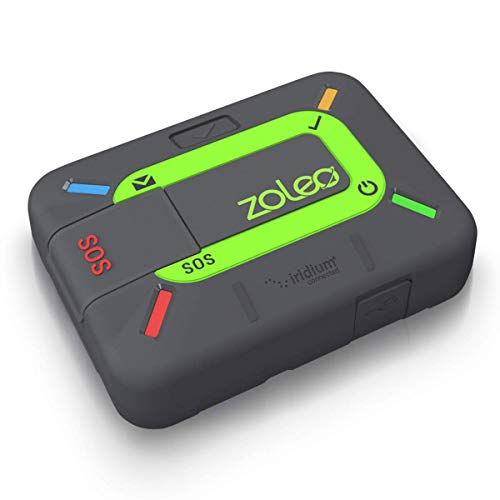
- Messages over cellular, Wi-Fi, or Iridium satellite
- Dedicated SMS number and email address
- IP68 build with over 200 hours of battery life
Best For: Smartphone users who want flexible two-way messaging
Best for Standalone Two-Way Messages
SPOT X Two-Way Satellite Messenger

- Two-way messaging with phones and email addresses
- Dedicated U.S. mobile number for standalone use
- SOS conversations with 24/7 search-and-rescue service
Best For: Remote travelers needing standalone communication
Compact Global Connectivity

- Two-way messaging and interactive SOS with subscription
- 99-gram water-resistant design with up to 14-day battery life
- TracBack, compass, location sharing, and Garmin Explore support
Best For: Lightweight backcountry communication and navigation
App-Connected Off-Grid Tracking
ACR Bivy Stick Satellite Communicator

- Global Iridium messaging, tracking, maps, weather, and SOS
- GroupTrack supports location sharing with up to 12 people
- Waterproof design with 24/7 Global Rescue SOS monitoring
Best For: App-based group tracking and global outdoor communication
Reliable Backcountry Messaging

- Two-way messaging and interactive SOS beyond cell service
- Up to 14 days of tracking-mode battery life at 99 grams
- TracBack, digital compass, location sharing, and Garmin Explore
Best For: Compact Garmin communication for hiking and camping
Best Value Satellite Communicator

- Two-way satellite messaging through a compatible phone
- Unlimited SOS included with every service plan
- IP68-rated and up to four days of standby battery
Best For: Affordable off-grid messaging and emergency check-ins
Best Full-Featured Satellite Communicator

- Global Iridium messaging and interactive SOS
- Color touchscreen with navigation and tracking tools
- Up to 350 hours of battery life in tracking mode
Best For: Extended backcountry trips and navigation-focused users
Best Battery Life Satellite Communicator

- Up to 28 days of battery life in tracking mode
- Global two-way and group messaging
- Interactive SOS and location sharing
Best For: Long trips and group communication with minimal charging
Best Overall – Garmin inReach Mini 3 Plus
The Garmin inReach Mini 3 Plus is a versatile choice among satellite communicators for hikers and campers who want two-way messaging, navigation features, and emergency support in one compact device. It uses the global Iridium network and requires an active satellite subscription.
Best For: Outdoor adventurers who want photo, voice, and text messaging plus navigation tools.
Pros:
- Interactive SOS connects to Garmin Response, a 24/7-staffed coordination center.
- Supports photos, texts, and voice messages when paired with a compatible smartphone and Garmin Messenger.
- Rugged IP67 design with a scratch-resistant color touchscreen and up to 350 hours of battery life in specified tracking mode.
- Includes location sharing, weather reports, trip planning, and course navigation through compatible apps.
Cons:
- Requires an active satellite subscription.
- Photo messaging and several advanced features require a compatible smartphone and app.
- Some jurisdictions regulate or prohibit satellite communication devices.
The Mini 3 Plus stands out for combining dependable emergency communication with a broad set of navigation and tracking features. Its higher feature count makes it especially appealing when you want more than basic SOS and location updates.
Best for Simple Tracking – SPOT Gen4 Satellite GPS Messenger
The SPOT Gen4 is a straightforward option among satellite communicators for sending GPS locations and predefined updates beyond cell towers. It uses the Globalstar satellite network, includes motion-activated tracking, and requires a service plan.
Best For: Hikers, campers, and families who primarily need location tracking and an SOS function.
Pros:
- Can send GPS coordinates to contacts or emergency responders without a cellphone or cellular service.
- Tracking can transmit location updates while moving and when stopped.
- Includes a strap, carabiner, USB cable, batteries, and quick-start guide.
- Compact handheld design is suited to hiking, camping, and outdoor activities.
Cons:
- Requires a subscription and activation with a selected service plan.
- Its supplied features are more focused on tracking and alerts than two-way messaging.
- Uses the Globalstar network rather than Iridium.
Choose the Gen4 if you want an uncomplicated way to share coordinates and send an SOS. It is less suitable for shoppers seeking ongoing conversational messaging or smartphone-linked communication features.
Best for Smartphone Messaging – ZOLEO Satellite Communicator
The ZOLEO Satellite Communicator is designed for app-based messaging that can switch between cellular, Wi-Fi, and Iridium satellite connections. For remote travel, it adds two-way texts and emails, check-ins, location sharing, and SOS monitoring, with a service plan required.
Best For: Smartphone users who want one messaging experience across cellular, Wi-Fi, and satellite networks.
Pros:
- Supports two-way text and email messaging over cellular, Wi-Fi, or the Iridium satellite network.
- Provides an assigned SMS number and email address for receiving messages away from cell coverage.
- Offers unlimited check-ins, GPS location sharing, weather forecasts, and messages up to 900 characters.
- IP68-rated construction and more than 200 hours of battery life support extended trips.
Cons:
- Requires a service plan and a compatible Android or iOS smartphone for app-based messaging.
- Regular location sharing is listed as an optional add-on.
- The device itself weighs 12 ounces, making it heavier than some compact communicators.
ZOLEO is a strong fit when messaging flexibility matters more than an integrated screen. Its network switching and dedicated contact details make it practical for staying reachable across changing coverage conditions.
Best for Standalone Two-Way Messages – SPOT X Two-Way Satellite Messenger
The SPOT X is a two-way satellite messenger for outdoor users who want to communicate with phone numbers or email addresses beyond cellular coverage. It can operate independently with its own dedicated U.S. mobile number or pair with a phone over Bluetooth, and it requires a service plan.
Best For: Remote travelers who want standalone two-way messaging and direct SOS conversations.
Pros:
- Supports back-and-forth messages with family, search and rescue, cell numbers, and email addresses.
- Provides a dedicated U.S. mobile number for receiving messages when used standalone.
- Two-way SOS communication can provide emergency details and confirmation that help is on the way.
- Offers up to 240 hours of battery life and includes a strap, carabiner, cable, and kickstand.
Cons:
- Requires activation and a service plan.
- Uses the Globalstar satellite network.
- Bluetooth pairing is supported, but the device is also larger than several compact handheld designs.
SPOT X is appealing if you want a dedicated messaging device rather than a basic one-way tracker. Its standalone number and two-way SOS exchange add useful communication options for remote trips.
Compact Global Connectivity – Garmin inReach Mini 2 Orange
For hikers and campers comparing satellite communicators, the Garmin inReach Mini 2 delivers two-way messaging and interactive SOS beyond cell coverage in a compact, 99-gram design. It also adds TracBack routing, location sharing, a digital compass, and smartphone connectivity through Garmin Explore. An active satellite subscription is required for messaging and SOS features.
Best For: Lightweight backcountry communication, navigation, and emergency check-ins.
Pros:
- Supports two-way messaging and interactive SOS globally through an active subscription.
- Compact, lightweight, water-resistant design with up to 14 days of battery life in 10-minute tracking mode.
- Includes TracBack routing, a digital compass, location sharing, and Garmin Explore integration.
Cons:
- Requires an active satellite subscription for core communication and SOS functions.
- Small 1.27-inch monochrome display is designed for essential information rather than detailed map viewing.
- Some jurisdictions regulate or prohibit satellite communication devices.
The orange Mini 2 is a strong choice when pack weight and dependable off-grid communication matter most. Its navigation tools complement, rather than replace, a dedicated mapping device or smartphone.
App-Connected Off-Grid Tracking – ACR Bivy Stick Satellite Communicator
The ACR Bivy Stick is a flexible satellite communicator for travelers who want messaging, tracking, offline maps, weather updates, and SOS access through an iOS or Android app. It uses global Iridium coverage and supports group tracking for up to 12 people, while subscription plans are required for service.
Best For: App-based group communication, live tracking, and global outdoor adventures.
Pros:
- Provides global Iridium coverage for two-way SMS, email, GPS tracking, SOS, and location sharing.
- Includes 24/7 SOS monitoring with Global Rescue and a dedicated phone number and email after activation.
- Supports unlimited GPS check-ins, live tracking, offline maps, and GroupTrack for up to 12 people.
- Waterproof IPX7 and MIL-STD-810-compliant enclosure weighs 3.95 ounces.
Cons:
- Requires a Bivy service plan, with listed monthly or annual pricing and an initial three-month commitment.
- Many features depend on the Bivy app and a compatible iOS or Android smartphone.
- Listed battery life is 120 hours, shorter than some extended-trip satellite communicators.
The Bivy Stick stands out for travelers who want a connected app experience and robust group-location features. Its plan structure and smartphone dependence are worth weighing before choosing it for extended trips.
Reliable Backcountry Messaging – Garmin inReach Mini 2 Black
The black Garmin inReach Mini 2 is a compact satellite communicator for sending messages, sharing location, and triggering interactive SOS beyond cell service. Its 99-gram handheld design includes TracBack routing, a digital compass, Garmin Explore integration, and up to 14 days of battery life in 10-minute tracking mode.
Best For: Hikers and campers who want a small, button-controlled Garmin communication device.
Pros:
- Enables two-way messaging and interactive SOS globally with an active satellite subscription.
- Offers up to 14 days of battery life in 10-minute tracking mode and weighs 99 grams.
- Includes TracBack routing, location sharing, digital compass, and Garmin Explore smartphone integration.
- Sunlight-readable monochrome display and push-button controls suit outdoor use.
Cons:
- Requires an active satellite subscription for messaging, location sharing, and SOS.
- The 1.27-inch display and 176-by-176 resolution are suited to basic information, not expansive maps.
- Some jurisdictions regulate or prohibit satellite communication devices.
This black Mini 2 offers the same core functionality as the orange version in a more understated finish. It is a practical satellite communicator for users prioritizing low weight, Garmin ecosystem compatibility, and essential navigation tools.
Best Value Satellite Communicator – Motorola Defy Satellite Link
The Motorola Defy Satellite Link is a compact choice for satellite communicators users who want two-way messaging and SOS access through a compatible smartphone. It connects via Bluetooth to iOS 14 or newer and Android 10 or newer phones, with service plans starting at $4.99 per month.
Best For: Hikers, travelers, and off-grid users who want an affordable, phone-connected emergency communicator.
Pros:
- Supports two-way satellite messaging and coordinate sharing.
- Includes unlimited SOS with every service plan.
- IP68-rated design and up to four days of standby battery life.
- Lightweight 2.5-ounce body with a D-ring strap attachment.
Cons:
- Requires a paid service plan.
- Messaging depends on a compatible iOS or Android smartphone.
- Coverage is limited to areas shown on the provider’s coverage map.
This is a practical entry point into satellite communication, particularly if you already carry a smartphone. Its rugged, lightweight design and simple check-in button make it suitable for basic contact and emergency use without adding a large device to your kit.
Best Full-Featured Satellite Communicator – Garmin inReach Mini 3
The Garmin inReach Mini 3 is a capable option among satellite communicators for users who want global Iridium coverage, messaging, navigation, and a built-in color touchscreen. An active satellite subscription is required, while the rugged IP67-rated body is designed for demanding outdoor conditions.
Best For: Serious hikers, campers, and backcountry travelers who want messaging, navigation, tracking, and weather tools in one device.
Pros:
- Offers two-way messaging and interactive SOS through Garmin Response.
- Supports LiveTrack, weather reports, trip planning, and navigation when paired with compatible smartphone apps.
- Up to 350 hours of battery life with 10-minute tracking.
- Color touchscreen plus physical buttons for glove-friendly operation.
Cons:
- Requires an active satellite subscription.
- Some jurisdictions regulate or prohibit satellite communication devices.
- At 4.31 ounces, it is heavier than the Motorola Defy Satellite Link.
The Mini 3 stands out when satellite communication is only part of your requirements. Its color display, navigation features, extended battery life, and dedicated emergency coordination make it a stronger fit for extended or complex outdoor trips than a basic messaging device.
Best Battery Life Satellite Communicator – Garmin inReach Messenger
The Garmin inReach Messenger is a compact satellite communicator built around reliable two-way messaging, location sharing, and long battery life. With an active subscription, it can send messages globally through the Garmin Messenger app, support group chats, and trigger an interactive SOS through Garmin’s 24/7-staffed coordination center.
Best For: Travelers and outdoor groups who prioritize extended battery life, group messaging, and straightforward communication.
Pros:
- Supports global two-way and group messaging through the Garmin Messenger app.
- Offers interactive SOS and GPS location sharing.
- Provides up to 28 days of battery life in 10-minute tracking mode.
- Can optimize message delivery through cellular and satellite connections.
Cons:
- Requires an active satellite subscription.
- Uses a monochrome display and button controls rather than a color touchscreen.
- Many messaging features rely on a paired smartphone and Garmin app.
The inReach Messenger is a strong fit for users who want communication that can last through a lengthy trip without frequent charging. Its group messaging and hybrid cellular-satellite approach add flexibility, while the simple display keeps the device focused on essential communication.
How We Picked the Best Satellite Communicators
We focused on devices with dependable satellite connectivity, emergency SOS capability, location sharing, and practical messaging features. We also considered portability, battery life, ease of setup, smartphone compatibility, ruggedness, network coverage, and ongoing subscription requirements. Because no single device suits every trip, the selection includes standalone communicators and models designed to pair with a phone.
Quick Comparison
For a compact standalone device, Garmin’s inReach models are strong choices for two-way messaging and global SOS support. The Garmin inReach Messenger emphasizes long battery life and simple communication, while the Mini series adds a small, feature-rich form factor. SPOT devices are worth considering for straightforward tracking and emergency check-ins, with SPOT X adding a physical keyboard and two-way messaging.
ZOLEO, ACR Bivy Stick, and Motorola Defy Satellite Link generally work best when paired with a smartphone, making them attractive if you want a familiar messaging interface. Check current network availability, plan pricing, and supported countries before buying.
Key Buying Factors for Satellite Communicators
Two-Way Messaging and SOS
Two-way messaging lets contacts reply and can provide more useful emergency communication than a one-way beacon. Confirm whether messages require a phone, whether preset messages are included, and how emergency services are contacted.
Satellite Coverage
Global coverage is not always identical across services. Look for the network used in your travel regions, and remember that trees, steep terrain, buildings, and heavy weather can obstruct satellite signals. Devices work best with a clear view of the sky.
Battery Life and Charging
Compare advertised battery estimates with your intended tracking interval and messaging volume. Frequent tracking, Bluetooth use, and weak signals can reduce runtime. USB-C charging and a compact power bank are useful for extended trips.
Phone Dependence and Ease of Use
A phone-connected communicator can offer better typing, maps, and contact management, but it adds another battery and pairing requirement. Standalone devices are often preferable when simplicity, durability, or emergency readiness matters most.
Subscriptions and Total Cost
Budget for activation, monthly or annual plans, message limits, tracking fees, and possible weather or location-sharing charges. A lower device price may not mean a lower long-term cost.
Who Should Buy Which Satellite Communicators?
Choose a Garmin inReach Mini or Messenger if you want robust two-way communication, global SOS capability, and a mature ecosystem for hiking, boating, or remote travel. Pick SPOT Gen 4 for simple tracking and check-ins, or SPOT X if a built-in keyboard is important.
Choose ZOLEO, Bivy Stick, or Motorola Defy Satellite Link if you prefer composing messages on your smartphone. These are convenient for travelers who want familiar app-based communication. Whichever model you choose, test the device and subscription before an important trip, keep emergency contacts updated, and carry a backup power source.