Choosing the right pad can make or break a backpacking trip. The best sleeping pads for backpacking balance comfort, weight, packability, and warmth without adding unnecessary bulk.
In this roundup, we focus on options for different sleep styles, seasons, and budgets so you can pick a pad that fits your mileage and the conditions you camp in.
Best 10 Sleeping Pads for Backpacking Picks for 2026
Classic Foam Minimalist
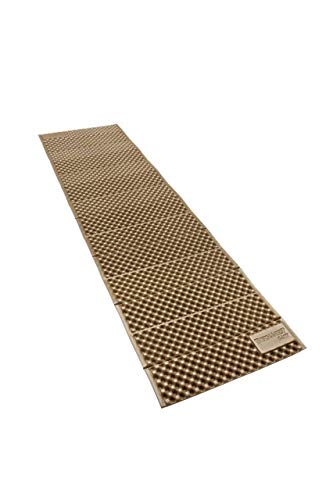
- 14 oz closed-cell foam pad
- Accordion fold packs quickly
- R-Value 1.7 with heat-trapping dimples
Best For: Durable, economical backpacking and mountaineering use
Deep-Comfort Air Pad

- 4-inch thickness with built-in pillow
- 30-second foot-pump inflation
- 1.9 lb packable inflatable design
Best For: Side sleepers who want a thick, fast-inflating backpacking pad
Warm-Weather All-Rounder

- 7.2 R-value for strong insulation
- 4-inch thickness with supportive air chambers
- 2 lb inflatable packs to water-bottle size
Best For: All-season backpackers who want warmth and portability
Fast-Setup Comfort Pad
Ultralight Foot-Pump Sleeping Pad

- 1.8 lb inflatable with built-in pump
- 4-inch pad includes a pillow
- Connectable side buttons for larger setups
Best For: Travelers and backpackers who want quick setup and cushioned sleep
Balanced Warmth & Comfort
Gear Doctors Oxylus 4.3 R-Value Insulated Foam Pad
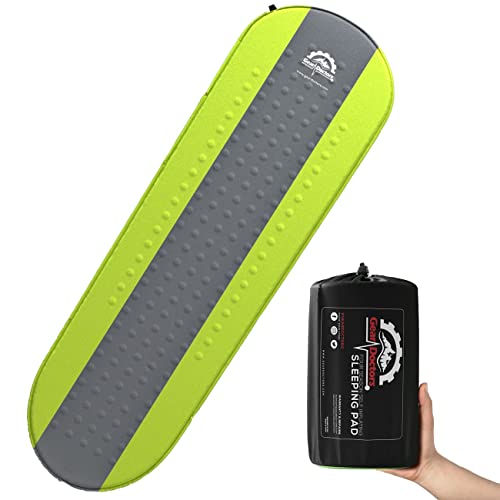
- 4.3 R-value for better cold-ground insulation
- Self-inflating setup with simple pressure adjustment
- Durable 75D shell with compact roll size
Best For: Backpackers wanting warmth, comfort, and simple setup
Ultralight Side-Sleeper Pick
4in Camping Pad with Pillow and Foot Pump

- 4-inch thickness with V-shape support
- Built-in pillow and fast foot-pump inflation
- 1.9 lb pack weight with compact storage
Best For: Side sleepers seeking a thicker, easy-to-pack backpacking pad
All-Season Insulation Choice
TREKOLOGY UL R7 4in Camping Pad

- 7.2 R-value for strong all-season insulation
- 4-inch thickness with supportive comfort
- 2 lb packed weight and compact storage
Best For: Hikers needing a warm, lightweight pad for colder conditions
Ultralight Foam Option
Foldable Closed Cell Foam Camping Mattress

- Foldable IXPE foam construction
- Reflective aluminum film backing
- Waterproof and moisture-proof
Best For: Thru-hikers wanting simple insulation and durability
Comfort-First Inflatable
Ultralight Camping Mat with Pillow

- Built-in pillow and foot pump
- 3-inch thick inflatable support
- Connects with another pad for a twin bed
Best For: Campers who want quick inflation and more cushioning
Ultralight Premium Pick
Ether Backpacking Air Mattress

- Packs to bottle size at 17.5 oz
- Detachable foot pump sack included
- ErgoCushion shape with 440 lb capacity
Best For: Ultralight backpackers wanting compact comfort
Classic Foam Minimalist – Therm-a-Rest Z Lite Original
If you want one of the most proven sleeping pads for backpacking, the Therm-a-Rest Z Lite Original is a simple, dependable closed-cell foam option. It folds accordion-style, packs fast, and focuses on durability, warmth, and low weight rather than plush cushioning.
Best For: Backpackers, mountaineers, and anyone who wants a durable, economical pad that is easy to carry and easy to trust.
Pros:
- Lightweight at 14 ounces and compact when folded
- Closed-cell foam construction is durable and dependable
- Dimpled design helps trap heat for added warmth
- Softer top and denser bottom improve comfort and insulation
Cons:
- R-Value 1.7 is modest for very cold conditions
- Foam construction is less cushioned than thicker inflatable pads
- Bulkier than some ultracompact inflatables when packed
This is a strong pick if you value reliability and simplicity over maximum softness. It remains a classic for a reason: it is light, tough, and useful in situations where durability matters as much as comfort.
Deep-Comfort Air Pad – 4 Inch Foot-Pump Sleeping Pad
Among sleeping pads for backpacking, this inflatable model is built for people who want a thicker, more bed-like feel on the trail. Its 4-inch profile, built-in pillow, and foot pump make it a comfort-first choice without adding much pack size.
Best For: Side sleepers and backpackers who want extra cushioning, fast inflation, and a compact pad that still feels roomy.
Pros:
- 4 inches thick for better ground separation and comfort
- Built-in foot pump inflates in about 30 seconds
- Integrated pillow adds convenience and support
- 40D nylon construction is made for rugged outdoor use
Cons:
- At 1.9 lbs, it is heavier than ultralight foam options
- Inflatable design depends on valves and air retention
- Wide rectangular shape may feel large for very tight solo setups
If comfort is your top priority, this pad delivers a lot of sleep support for the weight. It stands out for side-sleeper comfort, quick setup, and a compact packed size that still fits backpacking trips well.
Warm-Weather All-Rounder – TREKOLOGY UL R7 Pad
If you need sleeping pads for backpacking that prioritize warmth as much as portability, the TREKOLOGY UL R7 is a compelling inflatable option. It combines a 4-inch thickness with a high 7.2 R-value, making it designed for year-round insulation and trail-friendly packing.
Best For: Backpackers who want strong insulation, good support, and a lightweight pad for all-season use.
Pros:
- 7.2 R-value offers excellent insulation against cold ground
- Weighs 2 lbs and packs down to water-bottle size
- 4-inch thickness helps prevent bottoming out
- 40D ripstop nylon with TPU coating adds durability and water resistance
Cons:
- No built-in pump, so inflation requires mouth or a separate pump bag
- Best suited to sleepers up to 5’11”
- At 2 lbs, it is not the lightest option in this roundup
This pad is a smart choice when cold-weather performance matters. The combination of insulation, packed size, and dependable materials makes it a practical all-season backpacking pick.
Fast-Setup Comfort Pad – Ultralight Foot-Pump Sleeping Pad
This ultralight pad is aimed at hikers who want easy setup, built-in comfort, and a compact carry size. With a 4-inch inflated profile, a built-in pillow, and an integrated foot pump, it offers a convenient balance of comfort and packability for backpacking trips.
Best For: Backpackers and travelers who want quick inflation, a built-in pillow, and a lightweight pad that still feels cushioned.
Pros:
- Inflates in about 30 to 60 seconds with the built-in pump
- Weighs only 1.8 pounds and packs small
- 4-inch thickness and pillow improve sleeping comfort
- 40D nylon and multi-layer TPU build is durable and waterproof
Cons:
- Requires careful sealing of the deflation valve
- Less minimal than simple foam pads
- Comfort features may add complexity compared with basic sleeping pads
For buyers who want a quick, comfortable setup, this pad hits a useful middle ground. It is especially appealing if you value packed size, easy inflation, and the ability to connect pads for shared sleeping space.
Balanced Warmth & Comfort – Gear Doctors Oxylus 4.3 R-Value Insulated Foam Pad
If you want sleeping pads for backpacking that lean toward comfort and warmth, the Gear Doctors Oxylus is a practical self-inflating option. Its 4.3 R-value, 1.5-inch thickness, and foam-air hybrid design are aimed at giving you steady insulation and support on cold or uneven ground without complicating setup.
Best For: Backpackers who want a warmer, easy-to-use pad for three-season to colder conditions.
Pros:
- 4.3 R-value helps block cold ground in a range of conditions.
- Self-inflating design with quick setup and simple pressure adjustment.
- 35.2 oz packed weight with a compact roll size for easier carrying.
- Durable 75D micro-coated polyester shell with water-resistant, abrasion-resistant construction.
Cons:
- Heavier than the most minimalist ultralight backpacking pads.
- Thicker comfort design may take more pack space than slim air pads.
- Best suited to users who value comfort and warmth over lowest weight.
This is a strong all-around choice if you want a backpacking sleeping pad that prioritizes dependable insulation, easy setup, and a more forgiving sleep surface. It looks especially appealing for beginners, families, and anyone planning colder or less predictable trips.
Ultralight Side-Sleeper Pick – 4in Camping Pad with Pillow and Foot Pump
Among sleeping pads for backpacking, this 4-inch ultralight model is built for comfort-focused hikers who still need a compact carry. The V-shape support, built-in pillow, and quick foot-pump inflation make it a useful choice if you want more lift off the ground without giving up portability.
Best For: Side sleepers and backpackers who want a thicker pad with fast inflation and a built-in pillow.
Pros:
- 4-inch thickness and V-shape support help reduce bottoming out.
- Built-in pillow adds neck support and reduces setup extras.
- Foot-pump inflation is designed for fast, low-effort setup.
- 1.9 lb weight and water-bottle-sized pack make it trail-friendly.
Cons:
- Thicker comfort design may be bulkier than minimalist sleeping pads.
- Requires foot-pump inflation rather than mouth inflation or self-inflation.
- Best fit seems oriented toward single sleepers rather than couples.
If comfort and convenience matter most, this pad makes a strong case with its thick profile, fast inflation, and backpack-friendly packed size. It stands out for people who sleep on their side and want a more supportive night on uneven ground.
All-Season Insulation Choice – TREKOLOGY UL R7 4in Camping Pad
If you need sleeping pads for backpacking that prioritize warmth as much as portability, the TREKOLOGY UL R7 is built around a high 7.2 R-value. It pairs that insulation with a 4-inch thickness, 40D ripstop nylon TPU construction, and a compact carry size that makes it appealing for year-round trips.
Best For: Backpackers who want a lightweight, highly insulated pad for all-season use.
Pros:
- 7.2 R-value offers strong insulation against cold ground.
- 4-inch thickness provides supportive comfort and helps prevent bottoming out.
- 2 lb weight and water-bottle-sized pack improve trail portability.
- 40D ripstop nylon with TPU coating adds durability and water resistance.
Cons:
- Inflates by mouth or separate pump bag, which is less convenient for some users.
- No built-in pump included.
- Best suited to sleepers up to 5’11” based on the supplied specs.
This pad is the clearest insulation-first option in the group, especially if you backpack in colder seasons or want more confidence on chilly ground. Its mix of warmth, thickness, and low carry weight makes it a strong all-around pick for serious trail use.
Ultralight Foam Option – Foldable Closed Cell Foam Camping Mattress
If you want sleeping pads for backpacking that stay simple, durable, and fuss-free, this foldable closed-cell foam pad is a practical pick. It uses IXPE foam with an aluminum film backing, gives you a waterproof surface, and focuses on insulation and portability rather than plush cushioning.
Best For: Thru-hikers and backpackers who want a lightweight, waterproof foam pad with dependable insulation.
Pros:
- Foldable design makes it easy to strap on and carry.
- IXPE foam with reflective aluminum film helps capture body heat.
- Waterproof and moisture-proof for damp ground conditions.
- Lightweight at about 396 g / 455 g listed weight.
Cons:
- Only 0.7 inches thick, so cushioning is limited compared with inflatable pads.
- More basic comfort profile than air-filled options.
- Best suited to insulation and packability, not luxury sleep.
This is a solid no-fuss backpacking mat for campers who value reliability over softness. Its insulation rating of 2.1 and waterproof build make it a sensible choice for cold or damp trips where durability matters.
Comfort-First Inflatable – Ultralight Camping Mat with Pillow
Among sleeping pads for backpacking, this inflatable option is aimed at sleepers who want more cushioning and convenience. It combines a built-in pillow, a built-in foot pump, and a thick air chamber design, so it leans hard toward comfort without giving up packability.
Best For: Backpackers and campers who want a thicker inflatable pad with an integrated pillow and fast setup.
Pros:
- Extra-wide 78 x 27 x 8 inches inflated size for more room.
- Built-in pillow reduces the need to pack a separate one.
- Built-in foot pump inflates in about 30-60 seconds.
- Side buttons let you connect another pad for a wider sleeping setup.
Cons:
- Heavier and bulkier than ultralight minimalist pads.
- Inflatable designs can require more care than foam mats.
- Best comfort benefits come at the cost of more packed structure.
This pad makes sense if your top priority is a more bed-like feel in camp. The 40D nylon and TPU build, 3-inch thickness, and 400-pound capacity add to its appeal for users who want a roomy, convenient sleep system.
Ultralight Premium Pick – Ether Backpacking Air Mattress
If you are comparing sleeping pads for backpacking and want a lighter premium inflatable, this model is built around packability and comfort. It compresses to water-bottle size, includes a detachable foot pump sack, and uses an ergonomic U-shaped design for a more stable sleep.
Best For: Backpackers who want a very compact inflatable pad with strong comfort features and lightweight carry.
Pros:
- Weighs only 17.5 oz and packs to 8.6″ x 3.1″.
- Inflates to 76″ x 25″ with ergonomic contouring.
- Includes a detachable foot pump sack and anti-leak valve system.
- Rated for up to 440 lb and backed by lifetime replacement support.
Cons:
- 2-R insulation is positioned for spring and summer use.
- Inflatable construction is more involved than a foam pad.
- Comfort-focused shape may be more than some ultralight users need.
This is a strong option for hikers who want a compact pad that still feels thoughtfully designed. The 20D nylon with water-resistant TPU coating, repair kit, and included carry pouch make it a well-rounded travel setup for warmer-weather trips.
How We Picked the Best Sleeping Pads for Backpacking
We looked for pads that deliver the best mix of weight, packed size, insulation, comfort, and durability. We also prioritized practical features like easy inflation, stable surface design, and insulation ratings that make sense for real-world backpacking conditions.
Quick Comparison
For the lightest carry, closed-cell foam pads are hard to beat. For better comfort and packability, inflatable models offer more cushion and smaller packed dimensions. Self-inflating and insulated options sit in the middle, giving many hikers a useful balance of simplicity, warmth, and support.
Key Buying Factors for Sleeping Pads for Backpacking
Weight and Packed Size
If you count every ounce, prioritize compact, lightweight pads that fit easily into a smaller pack. Ultralight inflatable pads are usually the best choice for fast-and-light trips, while foam pads work well when simplicity matters more than comfort.
Insulation and R-Value
R-value tells you how well a pad resists ground cold. For summer use, a lower rating may be enough. For three-season backpacking or colder sleepers, look for higher R-values to improve warmth and sleep quality.
Comfort and Thickness
Thicker pads typically feel more comfortable, especially for side sleepers. If you move around a lot at night, look for a stable shape and enough width to keep you centered on the pad.
Inflation Style
Built-in foot pumps and self-inflating designs can save time and breath, while manual inflation often keeps weight down. Closed-cell foam requires no inflation at all, which is appealing for quick setups and dependable performance.
Durability
Backpacking gear gets dragged, compressed, and used on rough ground. Look for materials and construction that match your terrain, especially if you camp on rocky sites or want a pad that can handle frequent use.
Who Should Buy Which Sleeping Pads for Backpacking?
Choose a foam pad if you want maximum reliability, low cost, and zero-fuss setup. Choose an ultralight inflatable if comfort and pack size matter most. Choose an insulated or self-inflating pad if you hike in cooler conditions and want a more balanced all-around option.
For most buyers, the best Sleeping Pads for Backpacking are the ones that match their sleeping style, expected temperatures, and tolerance for added weight. Start with those priorities, then narrow down by comfort features and inflation convenience.