Cold water demands more than basic swimwear. The right wetsuit helps reduce heat loss while giving you enough flexibility for surfing, diving, kayaking, snorkeling, or paddleboarding.
This roundup compares 10 full-body wetsuits across several thicknesses, zipper designs, fit options, and price points so you can choose practical protection for your water activity and local conditions.
Best 10 Wetsuits for Cold Water Picks for 2026
Best Overall Warmth
O'Neill Men's Epic 4/3mm Full Wetsuit

- 4/3mm construction for added insulation
- Flexible neoprene supports movement
- Reinforced knees and sealed seams
Best For: Cooler-water surfing and versatile water activities
Best Budget-Friendly Choice
Dark Lightning 3/2mm Full Wetsuit
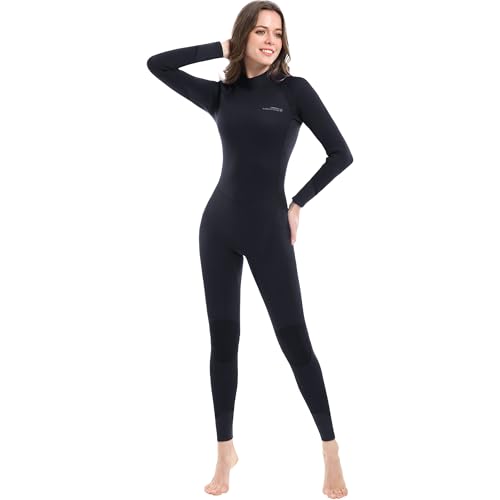
- Stretchy 3/2mm neoprene
- Intended for 58–68°F water
- Easy-entry back zipper
Best For: Recreational use in mild to cool water
Best Entry-Level Women's Suit
O'Neill Women's Reactor-2 3:2mm

- Flexible 3:2mm neoprene
- Easy-entry backzip system
- Minimal-seam paddle zones
Best For: Beginners and casual water sports
Best Fit Flexibility
Hevto Men's 3/2mm Front-Zip Wetsuit

- 16 size options with short and tall fits
- 3/2mm neoprene for flexible coverage
- Front zipper with upgraded puller
Best For: Men prioritizing fit options and easy entry
Best Entry-Level Pick
O'Neill Reactor-2 3:2mm Full Wetsuit

- Flexible 3mm neoprene for recreational use
- Wind-resistant Smoothskin adds insulation
- Back zip simplifies entry and exit
Best For: Beginner surfers and recreational paddlers
Coldest-Water Coverage
Men's Ultra Stretch 7mm Full Wetsuit

- 7mm neoprene for water below 53.6°F
- Full-body coverage with UV protection
- Front zipper and long pull strap
Best For: Cold-water diving and snorkeling
Balanced Cold-Water Option
Hevto Men's 4/3mm Full Wetsuit

- 4/3mm neoprene balances warmth and flexibility
- Glued, blind-stitched seams limit water entry
- Reinforced knees support active use
Best For: Versatile surfing, diving, and paddle sports
Reliable 3mm Protection

- 3mm neoprene for water temperatures from 55°F
- 2mm sleeves support paddling and swimming flexibility
- Back zip, knee pads, and UV 50+ coverage
Best For: Versatile recreational water sports in moderately cool water
Flexible Zoned Warmth

- 3mm torso and 2mm limbs balance warmth and mobility
- Listed for water from 50°F to 70°F
- Soft seals and reinforced knees and seat
Best For: Multi-sport use in cool to moderately cold water
Snug Full-Coverage Fit
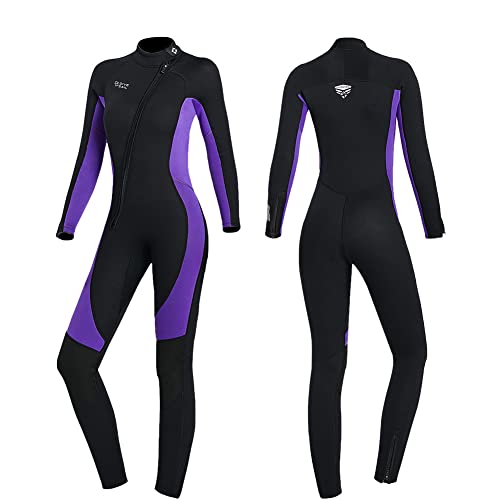
- 3mm neoprene with long sleeves for full coverage
- Front zipper and high stretch support mobility
- XS–XXXL sizing and two-year warranty
Best For: Adults wanting a snug, versatile suit for cool-water activities
Best Overall Warmth – O'Neill Men's Epic 4/3mm Full Wetsuit
For shoppers comparing wetsuits for cold water, the O’Neill Men’s Epic 4/3mm stands out with thicker 4mm neoprene, wind-resistant panels, and a snug performance fit. Its back zipper, flexible UltraFlex neoprene, and reinforced knee pads make it a versatile choice for surfing and other water activities.
Best For: Adults seeking added warmth and durable full-body coverage for surfing, swimming, paddleboarding, kayaking, or similar activities.
Pros:
- 4/3mm construction provides more insulation than many thinner suits.
- UltraFlex neoprene and strategic seams support mobility and reduce chafing.
- Glued and blindstitched seams, a double super seal neck, and wrist construction help limit water entry.
- Krypto Armor knee pads add abrasion protection, while the back zipper simplifies entry.
Cons:
- The thicker construction may feel warmer and less lightweight than a 3/2mm suit.
- The listed model is an X-Large men’s fit, so careful sizing is important.
This is a strong all-around option when warmth and durability matter more than minimal bulk. Its 4/3mm design is particularly suited to cooler conditions, while the flexible upper panels preserve freedom of movement.
Best Budget-Friendly Choice – Dark Lightning 3/2mm Full Wetsuit
The Dark Lightning 3/2mm is a practical entry point for shoppers seeking wetsuits for cold water without choosing a heavier suit. Its high-elasticity neoprene is designed for 58–68°F water, and the traditional back zipper makes it approachable for first-time users and casual swimmers.
Best For: Recreational swimming, surfing, snorkeling, kayaking, and paddleboarding in mild to cool water.
Pros:
- 3/2mm neoprene balances warmth with flexibility.
- Designed for 58–68°F water, according to the supplied product information.
- Extended-leash back zipper supports easier entry and exit.
- Understated all-black styling works across different water activities.
Cons:
- It may provide less insulation than a thicker 4/3mm suit in colder conditions.
- The listed color and size details identify a women’s black 3/2mm version, so shoppers should verify the selected fit.
This suit makes sense for moderate conditions and recreational use. Its stretch-focused construction and straightforward zipper design prioritize comfort and convenience over maximum cold-water insulation.
Best Entry-Level Women's Suit – O'Neill Women's Reactor-2 3:2mm
The O’Neill Women’s Reactor-2 3:2mm is a straightforward option among wetsuits for cold water, combining lightweight warmth with flexible neoprene. Its backzip system, minimal-seam paddle zones, and wind-resistant Smoothskin paneling make it suited to beginners and casual water-sports use.
Best For: Women wanting an entry-level full wetsuit for surfing, diving, paddle sports, lake activities, or beach days.
Pros:
- 3:2mm construction offers a balance of warmth and mobility.
- Ultra-stretch neoprene provides a soft feel and flexible movement.
- Backzip closure supports easy entry and exit.
- Minimal seam placement in paddle zones enhances comfort and mobility.
Cons:
- It is not as heavily insulated as a thicker cold-water suit.
- The supplied sizing information lists size 10 with specific chest and height measurements, so fit checking is essential.
Choose the Reactor-2 when you want a simple, flexible suit for moderate conditions and varied activities. It is positioned as an entry-level value model rather than a maximum-insulation option.
Best Fit Flexibility – Hevto Men's 3/2mm Front-Zip Wetsuit
The Hevto Men’s 3/2mm wetsuit is worth considering when fit options matter as much as warmth. It uses neoprene and nylon for flexible coverage, includes a front zipper with an upgraded puller, and offers regular, short, and tall fits across 16 size options.
Best For: Men seeking a versatile full suit for swimming, surfing, diving, snorkeling, kayaking, paddleboarding, or jet skiing.
Pros:
- 3/2mm neoprene is designed for comfort and flexibility.
- Front zipper with an upgraded puller is intended to simplify entry and exit.
- Sixteen size options include regular, short, and tall fits.
- Full-body coverage helps provide wind, sunburn, and scratch protection.
Cons:
- A 3/2mm suit may be less insulating than a 4/3mm option in colder water.
- The supplied listing includes a temperature rating of 90°F, which is not a cold-water rating; shoppers should match the suit to actual conditions.
The Hevto is most compelling for shoppers who have difficulty finding a comfortable length or who prefer a front-zip design. Its broad sizing range adds practicality, but temperature suitability deserves close attention before purchase.
Best Entry-Level Pick – O'Neill Reactor-2 3:2mm Full Wetsuit
If you’re comparing wetsuits for cold water, the O’Neill Reactor-2 is a practical entry-level option for moderate insulation and everyday water activities. Its 3mm construction, wind-resistant Smoothskin panels, and flexible neoprene balance warmth with mobility, while the back zip makes changing easier.
Best For: Beginner surfers, paddleboarders, kayakers, and other recreational water users seeking lightweight warmth.
Pros:
- Flexible ultra-stretch neoprene supports comfortable movement.
- Wind-resistant Smoothskin adds insulation and cold protection.
- Back zip provides relatively easy entry and exit.
- Seamless paddle zones help maximize mobility and comfort.
Cons:
- At 3mm, it may provide less insulation than thicker cold-water suits.
- Fit is important; the listed Large measurements are a 40–44-inch chest and 32.5–35.5-inch waist.
The Reactor-2 is a sensible value choice when flexibility and versatility matter more than maximum cold-water insulation. For especially cold conditions, consider a thicker model.
Coldest-Water Coverage – Men's Ultra Stretch 7mm Full Wetsuit
For wetsuits for cold water, this 7mm full-body suit is designed for notably chilly conditions, with a stated suitability below 53.6°F. Stretch neoprene and nylon provide flexibility, while the full-coverage design, long sleeves, and front zipper support warmth and protection during diving, snorkeling, and related activities.
Best For: Cold-water snorkeling, diving, swimming, and surfing where maximum listed thickness is a priority.
Pros:
- Thick 7mm neoprene is intended for water below 53.6°F.
- Full-body, long-sleeve coverage helps protect against cold, sunlight, and minor scrapes.
- Stretch fabric supports movement during water sports.
- Front zipper with a long pull strap makes dressing easier.
Cons:
- The thicker construction may feel less streamlined than a lighter suit.
- The manufacturer warns that sizing runs small and recommends prioritizing weight when choosing a size.
- An initial glue-like odor may be present when unpacked.
This suit stands out for buyers who prioritize insulation and full coverage. Pay close attention to the sizing guidance, especially if height and weight point to different size categories.
Balanced Cold-Water Option – Hevto Men's 4/3mm Full Wetsuit
Among wetsuits for cold water, the Hevto 4/3mm suit offers a balance of insulation, flexibility, and water-sport versatility. Its neoprene and super-stretch nylon construction is paired with glued, blind-stitched seams, reinforced knees, and a back-zip closure intended to reduce water entry.
Best For: Men who want one full suit for surfing, scuba diving, snorkeling, swimming, kayaking, or paddleboarding.
Pros:
- 4/3mm construction balances warmth and mobility.
- Glued and blind-stitched seams help minimize water entry.
- Reinforced knees add protection during water sports.
- Back zipper with upgraded puller supports easier dressing.
Cons:
- It offers less thickness than a 7mm winter wetsuit.
- Back-zip designs may allow more water entry than a fully sealed closure.
- The supplied details do not specify a temperature rating.
The Hevto is a versatile middle ground for cold-water activities when you need more coverage than a lightweight suit but still want flexibility. Its seam construction and reinforced knees add practical value for active use.
Reliable 3mm Protection – Lemorecn Men's Full Wetsuit
For shoppers comparing wetsuits for cold water, the Lemorecn 3mm full suit offers a practical balance of warmth, flexibility, and durability. Its 3mm neoprene construction is rated for water temperatures of 55°F and above, with thinner sleeves to support movement during swimming, snorkeling, diving, or surfing.
Best For: Adults seeking a versatile 3mm wetsuit for recreational water sports in water around 55°F and warmer.
Pros:
- 3mm neoprene and chest panel help retain body heat.
- 2mm sleeves improve flexibility for active water sports.
- Back zipper, long pull rope, and adjustable Velcro support easier entry and a secure fit.
- Anti-abrasion knee pads, UV 50+ protection, and flatlock seams add useful session-ready features.
Cons:
- Its listed 55°F rating may not be suitable for significantly colder water.
- Hand washing and flat air drying require extra care.
- The back-zip design may be less convenient than a front-zip suit for some users.
This is a sensible all-purpose option when you need moderate cold-water insulation without giving up mobility. Choose a thicker suit for colder conditions than its stated rating.
Flexible Zoned Warmth – 3/2mm Men's Back-Zip Wetsuit
Among wetsuits for cold water, this 3/2mm full-body suit is designed for conditions from 50°F to 70°F. A 3mm SCR neoprene torso helps retain core warmth, while 2mm arms and legs allow easier paddling, kicking, and swimming across several water sports.
Best For: Men who want one suit for swimming, surfing, kayaking, paddleboarding, diving, and other activities in cool to moderately cold water.
Pros:
- Zoned thickness combines core warmth with limb flexibility.
- YKK back zipper includes an extended pull cord for one-person entry.
- Skin-soft seals help reduce rubbing at the cuffs, ankles, and neckline.
- Reinforced knee and seat panels improve resistance to wear during board and kayak use.
Cons:
- The product recommends a thicker suit for water below 50°F.
- Back-zip entry may not provide the same front-access convenience as a front-zip design.
- It must be hand washed rather than machine washed.
The broad temperature range and reinforced high-wear areas make this a practical choice for varied recreational use. Its main limitation is insulation: colder-water users should look beyond a 3/2mm suit.
Snug Full-Coverage Fit – Skyone 3mm Full Wetsuit
If you are shopping for wetsuits for cold water and need broad coverage, the Skyone 3mm suit provides a form-fitting, full-body design for adults. Its stretchy neoprene construction is intended to insulate while supporting movement for snorkeling, swimming, surfing, kayaking, canoeing, and diving.
Best For: Adults who prioritize full coverage, a snug fit, and multi-activity versatility in cool-water environments.
Pros:
- 3mm neoprene and long sleeves provide full-body thermal coverage.
- Front zipper and stretchy material support easier dressing and unrestricted movement.
- Flatlock stitching helps improve durability and reduce skin friction.
- Available in sizes XS through XXXL, with a two-year manufacturer warranty.
Cons:
- The product is designed to fit tightly when dry, so careful measurement is important.
- The notes do not provide a specific water-temperature rating.
- A snug full suit may feel less comfortable for shoppers who prefer a relaxed fit.
This suit stands out for its full coverage, stretch, and broad size range. Because no specific temperature rating is provided, compare your expected water conditions with the 3mm construction before buying.
How We Picked These Wetsuits for Cold Water
We focused on full-body neoprene suits designed for cooler water and outdoor water sports. The selection includes widely used 3/2mm models for moderate cold, thicker 4/3mm and 5/4/3mm options for lower temperatures, and a 7mm suit for demanding winter diving conditions.
We also considered construction details that affect day-to-day use, including back and front zippers, stated flexibility, coverage, intended activities, and the availability of men’s and women’s sizing. Because warmth depends heavily on fit and water temperature, no single suit is ideal for every swimmer or sport.
Quick Comparison
| Best For | Typical Thickness | Features to Prioritize |
|---|---|---|
| Cool-water surfing and paddling | 3/2mm | Flexible neoprene, secure seals, easy entry |
| Colder recreational water | 4/3mm or 5/4/3mm | More insulation, snug cuffs, durable seams |
| Winter diving | 7mm | Maximum thermal coverage, dependable closure, proper layering |
| Occasional multi-sport use | 3/2mm | Comfort, mobility, versatile fit |
Key Buying Factors for Wetsuits for Cold Water
Thickness and Water Temperature
Neoprene thickness is the primary warmth variable. A 3/2mm suit is generally a flexible choice for cool conditions, while 4/3mm and thicker suits provide more insulation when water and air temperatures drop. Check the manufacturer’s temperature guidance and account for wind, activity level, body size, and time in the water.
Fit and Seals
A wetsuit should fit closely without restricting breathing, paddling, or arm movement. Gaps at the neck, wrists, ankles, or lower back can allow flushing and quickly reduce warmth. Avoid sizing up simply for easier dressing; excessive looseness can make a thicker suit less effective.
Zipper Placement and Construction
Back zippers are usually easier to use, especially for beginners, while front zippers can provide a streamlined feel and may reduce bulk across the back. Look for reinforced seams, smooth interior panels, and secure wrist and ankle openings. These details influence comfort, durability, and water retention.
Activity and Mobility
Surfers and paddlers often benefit from stretchier neoprene around the shoulders and torso. Divers may prioritize insulation, coverage, and compatibility with additional equipment. Consider how much movement your activity requires before choosing the thickest available model.
Who Should Buy Which Wetsuits for Cold Water?
Choose a 3/2mm suit if you want a versatile option for surfing, snorkeling, kayaking, swimming, or paddleboarding in moderately cold water. It is typically easier to put on and offers better mobility than thicker alternatives.
Move to a 4/3mm or 5/4/3mm suit if you spend extended periods in colder water, tend to get cold easily, or participate during cooler seasons. These suits trade some flexibility for additional insulation.
A 7mm full suit is best suited to particularly cold diving or winter conditions when thermal protection is more important than lightweight movement. For occasional use, prioritize a comfortable, accurately measured fit and verify that the suit’s thickness matches your planned water temperature.