The best wetsuits for travel balance thermal protection, flexibility, durability, and packability. Whether you are planning a surf trip, snorkeling holiday, kayak tour, or dive excursion, the right suit can make longer sessions more comfortable.
This roundup compares full suits, shorties, and multiple thickness options so you can match your gear to the water temperature, activity, and space available in your luggage.
Best 10 Wetsuits for Travel Picks for 2026
Best Value Full Suit
O'Neill Reactor-2 3:2mm Full Wetsuit

- 3:2mm warmth-to-flexibility balance
- Easy-entry back-zip design
- Suitable for several water sports
Best For: Entry-level travelers seeking versatile full-body coverage
Compact Warm-Water Pick

- Space-saving shorty construction
- Stretch neoprene blend
- Front zipper for easy entry
Best For: Warm-water trips and compact packing
Cold-Water Versatility Pick
Hevto Men's 3/2mm Full Wetsuit

- Zoned thickness for warmth and mobility
- Wide-opening back zipper
- Reinforced knees for active use
Best For: Multi-sport cool-water travel
Women's Shorty Comfort Pick
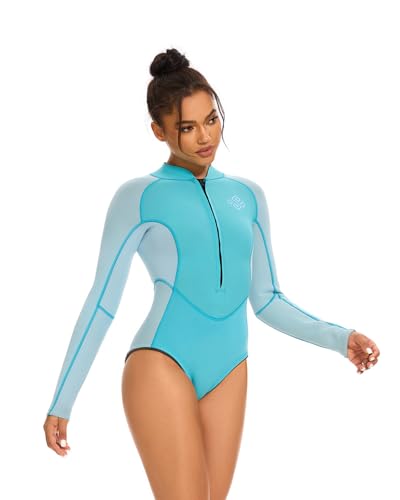
- Packable shorty silhouette
- Long sleeves with 2mm neoprene
- Front zipper for easy changing
Best For: Women's warm-water snorkeling and diving trips
Travel-Ready Shorty
ZCCO Men's 1.5/3mm Neoprene Shorty Wetsuit
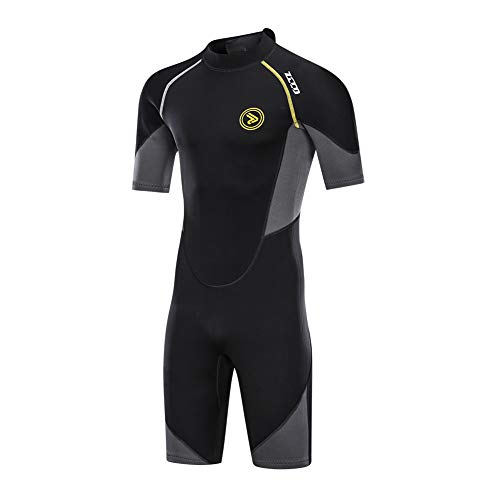
- Compact shorty design for easier travel packing
- YKK back zipper supports quick entry and removal
- Works across snorkeling, surfing, diving, and paddling
Best For: Warm-water travelers wanting a versatile shorty suit
Cold-Water Coverage
Hevto Men's 3/2mm Front-Zip Wetsuit

- 3mm torso and 2mm panels balance warmth and flexibility
- Front zipper makes changing more convenient
- Offers 16 size options with regular, short, and tall fits
Best For: Cool-water trips requiring full-body thermal coverage
Women's Full-Suit Pick
XUKER Women's 2mm Back-Zip Wetsuit
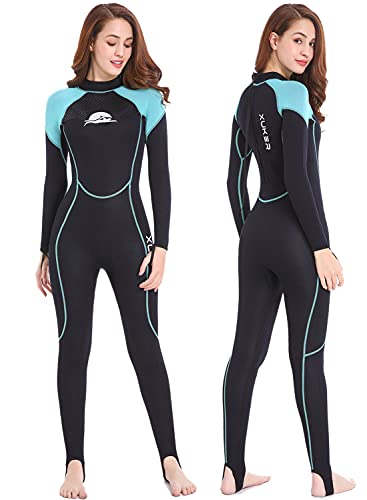
- 2mm neoprene provides stretch and thermal insulation
- Full-body design supports freedom of movement
- Back zipper enables easier on-and-off
Best For: Women traveling for recreational water sports in moderate warmth
Best Travel-Friendly Versatility

- 3mm chest with flexible 2mm sleeves
- Compact fold design
- Built for 55°F+ water
Best For: Multi-sport travel and varied water activities
Best for Cold Water

- 5/4mm insulation
- GBS seams reduce water entry
- Designed for water to about 44°F
Best For: Cold-climate surfing and diving
Best Value Full Suit – O'Neill Reactor-2 3:2mm Full Wetsuit
For travelers who want one versatile layer for varied water activities, the O’Neill Reactor-2 is a practical choice among wetsuits for travel. Its 3mm construction, flexible neoprene, and full-body coverage suit cool-water surfing, paddling, kayaking, and beach days.
Best For: Entry-level travelers needing a flexible full wetsuit for multiple water sports.
Pros:
- 3:2mm design balances core warmth with mobility.
- Back zipper supports easier entry and exit.
- Ultra-stretch neoprene and seamless paddle zones promote comfortable movement.
- Smoothskin panels add wind resistance and insulation.
Cons:
- Full-body coverage is less compact than a shorty for warm-water trips.
- A back zipper may be less convenient to operate than a front zipper.
This is a well-rounded travel wetsuit when you want dependable coverage without giving up flexibility. Check the listed measurements carefully, especially when ordering the medium size.
Compact Warm-Water Pick – Seaskin 2mm Front-Zip Shorty
Seaskin Shorty Wetsuits for Womens 2mm Front Zip Diving Suits, Small, SK014015
Check Price On AmazonThe Seaskin 2mm shorty is a packable option for travelers planning snorkeling, kayaking, swimming, or other water activities in milder conditions. Its short-leg, short-sleeve design takes up less space than a full suit, while the neoprene blend provides warmth and stretch.
Best For: Travelers who prioritize compact packing and easy changes for warm-water activities.
Pros:
- Shorty format is more travel-friendly than full-body coverage.
- Front zipper makes entry and exit straightforward.
- 90% neoprene and 10% nylon construction offers stretch and heat insulation.
- Works for canoeing, sea kayaking, snorkeling, diving, surfing, and swimming.
Cons:
- 2mm shorty coverage provides less insulation than a full 3mm suit.
- Short sleeves and legs leave more skin exposed in cooler water.
Choose this model when luggage space and ease of use matter more than maximum coverage. Its lighter design is especially suitable for warm-water itineraries and active travelers.
Cold-Water Versatility Pick – Hevto Men's 3/2mm Full Wetsuit
For active itineraries that include cooler water, the Hevto 3/2mm wetsuit combines full-body coverage with thickness zoning for movement. It is designed for surfing, diving, snorkeling, swimming, kayaking, and paddleboarding, making it a versatile choice among wetsuits for travel.
Best For: Travelers planning multiple cool-water sports and wanting mobility-focused full coverage.
Pros:
- 3mm torso supports core warmth, while 2mm zones improve flexibility.
- Extended-pull back zipper and retention tab help with dressing and security.
- Flatlock seams and shaped panels support comfort during active sessions.
- Reinforced knees add coverage in high-contact areas.
Cons:
- Full-body construction takes more luggage space than a shorty.
- The snug fit makes accurate sizing particularly important.
This suit is a strong match for travelers packing for varied activities rather than a single day at the beach. Its zoned construction emphasizes a useful balance between insulation and natural movement.
Women's Shorty Comfort Pick – Seaskin Women's 2mm Shorty
The Seaskin women’s shorty offers a travel-friendly balance of coverage and packability. Its 2mm stretch neoprene, long sleeves, and front zipper are suited to snorkeling, diving, water aerobics, and other warm-water activities.
Best For: Women travelers seeking lightweight coverage for snorkeling, diving, and water aerobics.
Pros:
- Shorty form is easier to pack than a full-length wetsuit.
- Long sleeves provide more coverage than a sleeveless shorty.
- Stretch neoprene fits closely to help retain body heat.
- Front zipper supports easier putting on and removal.
Cons:
- At 2mm, it offers less insulation than thicker full wetsuits.
- Shorty legs provide limited lower-body coverage.
- The manufacturer advises airing out the suit if it has a temporary new-product odor.
This model makes sense for travelers who want a small, easy-to-use layer for warm-water excursions. Follow the supplied hand-wash and air-dry care guidance to maintain the neoprene.
Travel-Ready Shorty – ZCCO Men's 1.5/3mm Neoprene Shorty Wetsuit
For travelers packing wetsuits for travel, the ZCCO shorty offers a compact option for snorkeling, surfing, paddling, and other warm-water activities. Its shorty cut, back entry, and flatlock seams are designed for convenient changing and comfortable movement.
Best For: Travelers who want a versatile shorty suit for warm-water sports and easy packing.
Pros:
- Made from 90% neoprene with nylon and spandex components for stretch and thermal coverage.
- Heavy-duty YKK back zipper with pull and hook-and-loop closure supports easier entry.
- Adjustable neck and smooth leather-style cuffs help reduce friction and water intake.
- Suitable for activities including snorkeling, surfing, kayaking, diving, and paddleboarding.
Cons:
- The shorty design provides less coverage than a full-body wetsuit.
- The close fit may require careful sizing and several wears to achieve the ideal fit.
- Hand washing and flat drying are recommended, which adds care after travel use.
This is a practical choice when portability and multi-sport flexibility matter more than maximum coverage. Its short sleeves and legs make it particularly suited to warmer water and travelers who want a less bulky suit.
Cold-Water Coverage – Hevto Men's 3/2mm Front-Zip Wetsuit
When choosing wetsuits for travel to cooler destinations, the Hevto 3/2mm full suit emphasizes warmth while retaining mobility. Its thicker torso, flexible limb panels, and front zipper make it a practical option for surfing, diving, swimming, and paddleboarding.
Best For: Travelers planning cool-water activities who need full-body coverage and flexible movement.
Pros:
- A 3mm neoprene torso provides thermal insulation, while 2mm panels support flexibility at the limbs and joints.
- Front zipper and rust-resistant metal zipper head are designed for convenient entry and durability.
- Double-sided nylon fabric and elastic flatlock stitching support movement and comfort.
- Available in 16 size options, including regular, short, and tall fits.
Cons:
- The full-body 3/2mm construction may take more luggage space than a shorty suit.
- Its warmth-focused design may be more than needed for hot-water trips.
- Only one wetsuit is included.
With its full-body form, stated wind resistance, UV protection, and added buoyancy, this suit is aimed at varied open-water conditions. The broad size selection is also useful when shopping for travel gear before departure.
Women's Full-Suit Pick – XUKER Women's 2mm Back-Zip Wetsuit
The XUKER 2mm full-body suit is a straightforward option for travelers comparing wetsuits for travel across kayaking, swimming, snorkeling, boating, and similar water sports. Its stretchable neoprene construction and back zipper combine coverage with relatively simple changing at the destination.
Best For: Women seeking a flexible full-body suit for recreational water sports and moderate warmth.
Pros:
- Premium neoprene construction is designed to provide stretch and thermal insulation.
- Full-body design offers coverage while allowing freedom of movement in the water.
- Back zipper provides easy access for putting on and removing the suit.
- Suitable for kayaking, swimming, surfing, jet skiing, boating, scuba diving, and snorkeling.
Cons:
- The 2mm thickness may offer less warmth than a thicker cold-water suit.
- A back zipper can be less convenient to reach than a front zipper when changing alone.
- Care instructions call for hand washing and drip drying rather than machine care.
This model makes sense for travelers who prefer full coverage without moving to a heavier suit. Its broad activity list supports multi-use packing, while the 2mm construction is positioned for water temperatures around the listed 85°F rating.
Best Mild-Water Pick – Dark Lightning 3/2mm Wetsuit
For shoppers comparing wetsuits for travel, the Dark Lightning 3/2mm model is a practical option for mild-to-cool water. Its stretchy neoprene, full-body coverage, and traditional back zipper suit recreational swimming, surfing, snorkeling, kayaking, and paddleboarding.
Best For: Recreational water activities in approximately 58–68°F conditions, including snorkeling, surfing, and lake swimming.
Pros:
- High-elasticity 3/2mm neoprene supports warmth and flexibility.
- Extended-leash back zipper simplifies entry and removal.
- Full-body design is versatile for multiple water sports.
- Streamlined black-and-rose styling has minimal branding.
Cons:
- Its 3mm construction is intended for mild-to-cool water rather than the coldest conditions.
- Fit depends on checking the updated size chart carefully.
This is a sensible travel choice when you want one flexible suit for casual water activities without the added bulk of a thicker cold-water model.
Best Travel-Friendly Versatility – Lemorecn Men's 3/2mm Wetsuit
Among wetsuits for travel, the Lemorecn 3/2mm suit stands out for its multi-sport design and compact foldable construction. It combines a warmer 3mm chest panel with thinner 2mm sleeves, plus practical features for repeated diving, snorkeling, surfing, swimming, or kayaking trips.
Best For: Travelers who need a versatile full wetsuit for water temperatures around 55°F and above.
Pros:
- 3mm neoprene helps retain body heat, while 2mm sleeves improve flexibility.
- Back zipper, long pull rope, and adjustable Velcro support easier dressing and a secure fit.
- Flatlock seams and reinforced knee pads address comfort and abrasion resistance.
- Compact fold design is convenient for packing.
Cons:
- The supplied notes specify hand washing and flat air drying, which requires post-trip care.
- It is designed for water around 55°F and above, not the coldest conditions.
With balanced warmth, mobility, UV 50+ protection, and packability, this model is a well-rounded option for active travelers moving between different water sports.
Best for Cold Water – Men's 5/4mm Thermal Wetsuit
For colder destinations, this 5/4mm full wetsuit offers more insulation than lighter travel suits. Its SuperStretch neoprene, glued-and-blind-stitched seams, and full-length construction are designed for surfing and diving in water as cold as approximately 44°F.
Best For: Surfing and similar water activities in colder climates where added insulation is a priority.
Pros:
- 5/4mm thickness is designed for water as cold as approximately 44°F.
- SuperStretch neoprene supports range of motion and can help reduce arm fatigue.
- GBS seams and internal tape help limit water entry and improve warmth.
- Key loop adds a practical security feature while in the water.
Cons:
- Thicker construction may be bulkier to pack than a 3/2mm suit.
- The product is listed specifically for surfing, so its fit and features may be less targeted to casual swimming.
- It requires hand washing and flat air drying.
This is the strongest cold-water choice in the group, trading some travel packability for thicker insulation and seam construction intended to retain warmth in cooler conditions.
How We Picked the Best Wetsuits for Travel
We focused on practical features that matter when taking a wetsuit on the road: neoprene thickness, entry design, coverage, flexibility, intended water conditions, and versatility across activities. The selection includes full-length suits for cooler water, shorty styles for warm destinations, and lighter designs that are easier to pack.
We also considered whether each suit is suited to surfing, snorkeling, diving, paddleboarding, kayaking, or general water recreation. Because fit is highly individual, treat the listed sizes and manufacturer measurements as essential starting points rather than relying only on your usual clothing size.
Quick Comparison
| Suit Type | Typical Coverage | Best For | Travel Advantage |
|---|---|---|---|
| 2mm shorty | Short sleeves and legs | Warm water, snorkeling, casual paddling | Lightweight and compact |
| 1.5–3mm shorty | Partial body coverage | Warm-water sports with added core protection | Easy to pack and layer |
| 3/2mm full suit | Full arms and legs | Cool-water surfing, diving, and kayaking | Balanced warmth and flexibility |
| 5mm full suit | Full-body insulation | Colder water and longer sessions | Greater protection, but bulkier |
Key Buying Factors for Wetsuits for Travel
Water Temperature and Thickness
Thickness is the first factor to match to your destination. A 2mm shorty generally suits warm conditions, while a 3/2mm full suit offers more coverage for cool water. A 5mm suit provides substantially more insulation for colder conditions, but it takes up more luggage space and can feel restrictive if oversized.
Fit and Neoprene Flexibility
A wetsuit should fit closely without creating painful pressure points, loose pockets, or gaps around the neck, wrists, and ankles. Flexible neoprene improves paddling and swimming comfort. Check chest, waist, hip, inseam, and height measurements, and review the return policy before traveling.
Front Zip, Back Zip, or Shorty Design
Front-zip suits can provide a secure seal and are often convenient once you learn the entry technique. Back-zip models are usually easier to put on independently. Shorty suits are simpler to pack and better suited to warm water, but they expose more skin and provide less insulation.
Packability and Care
Do not compress a wetsuit wet or leave it sealed in luggage. Rinse it with fresh water after use, dry it fully out of direct sunlight, and pack it loosely when possible. If airline space is limited, a shorty or thinner full suit may be more practical than a heavy cold-water model.
Who Should Buy Which Wetsuits for Travel?
- Warm-water travelers: Choose a 2mm shorty for snorkeling, resort swimming, and light paddling.
- All-around surfers and paddlers: A 3/2mm full suit offers a useful balance of warmth, coverage, and mobility.
- Travel divers: Select thickness based on local water temperature and dive duration; prioritize a close seal and easy entry.
- Cold-water adventurers: Consider a 5mm full suit when insulation is more important than compact packing.
- Occasional users: Favor flexible, easy-entry designs that can serve several activities rather than buying solely for one sport.
Before ordering, confirm the manufacturer’s size chart, expected water temperature, and return terms. The best Wetsuits for Travel are the ones that fit securely, match the conditions, and are realistic to carry and maintain throughout the trip.