Cold water demands more than a standard wetsuit. The right hooded wetsuit helps reduce heat loss around your head and neck while giving you the flexibility, buoyancy, and protection needed for long sessions in challenging conditions.
This roundup compares 10 options ranging from lightweight 3mm spearfishing suits to heavily insulated 7mm winter designs, so you can match thickness, construction, and fit to your activity and water temperature.
Best 10 Hooded Wetsuits Picks for 2026
Versatile Two-Piece Pick
Nataly Osmann Camo Hooded Suit

- 3mm neoprene for warmth and coverage
- Hooded two-piece design with pads
- Works across many water sports
Best For: Spearfishing, diving, and varied recreational water sports
Flexible Cold-Day Surfing
O'Neill Hyperfreak 4/3+ Hooded Wetsuit

- Flexible TechnoButter neoprene
- 4/3mm warmth for chilly sessions
- Chest zip and reinforced seams
Best For: Adult surfers needing a flexible cool-water suit
Maximum Cold-Water Insulation
Hyperflex Women's VYRL CRYO 6/5mm

- 6/5mm neoprene with Fire Fleece
- Attached hood for full coverage
- Durable seams and practical pocket
Best For: Women boating or doing water sports in very cold conditions
Deep-Winter Full Coverage
Men's Ultra Stretch 7mm Wetsuit

- 7mm neoprene for below-53.6°F water
- Full-body UV and exposure coverage
- Stretch fabric with front zipper
Best For: Cold-water diving, snorkeling, and swimming
Cold-Water Surfing Pick
O'Neill Hyperfreak 5/4+ Hooded Full Wetsuit
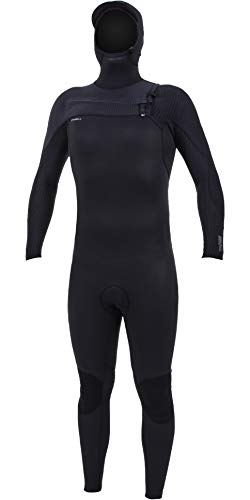
- 5/4+mm TechnoButter 3 neoprene
- 40°F temperature rating
- Welded seams and minimal seam design
Best For: Cold-water surfing around 40°F
Versatile Water-Sports Value
5mm/3mm Hooded Neoprene Full Suit
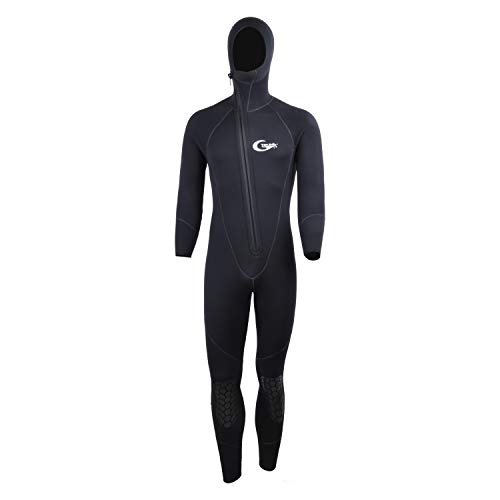
- Integrated hood and long sleeves
- Front-zip full-body design
- Designed for multiple water sports
Best For: Recreational diving, snorkeling, and surfing
Spearfishing Flexibility Pick
3mm Camo Two-Piece Hooded Suit

- 3mm neoprene two-piece construction
- Hooded top with chest and knee pads
- Camo design with reinforced seams
Best For: Spearfishing, diving, and active water sports
Cold-Water Camouflage Pick

- Flexible 5mm neoprene for cool water
- Camouflage two-piece design
- Reinforced knees, elbows, waist, and sternum
Best For: Cool-water spearfishing and freediving
Warm-Water Mobility Pick

- Stretchy 3mm neoprene
- Protective panels and chest loading pad
- Designed for 66–80°F water
Best For: Warmer-water spearfishing and freediving
Durability-Focused Pick

- Abrasion-resistant multi-thread construction
- Hood, flat seams, and knee pads
- Two-piece design for multiple water sports
Best For: Cool-water diving and multi-sport use
Versatile Two-Piece Pick – Nataly Osmann Camo Hooded Suit
For shoppers comparing hooded wetsuits for varied water activities, this two-piece camouflage design combines a hooded top with vest pants. Its 3mm neoprene construction offers thermal protection while chest and knee pads add coverage for active use.
Best For: Spearfishing, diving, snorkeling, and other recreational water sports where a two-piece design is convenient.
Pros:
- 3mm neoprene helps provide warmth and protection from biological irritants.
- Two-piece construction can make movement and changing more convenient.
- Suitable for numerous activities, including scuba diving, surfing, kayaking, and paddle boarding.
Cons:
- Two-piece coverage may provide a different seal than a one-piece full suit.
- Manual sizing can vary by about 2 cm, so the size chart requires careful attention.
This is a flexible option for buyers who want hood coverage and a broad range of uses in one suit. Check the updated size chart closely before ordering.
Flexible Cold-Day Surfing – O'Neill Hyperfreak 4/3+ Hooded Wetsuit
O'Neill Hyperfreak 4/3+ mm Chet Zip w/Hood Full Wetsuit Black/Black LG (5'10"-6'0", 170-190 lbs)
Check Price On AmazonAmong hooded wetsuits for chilly surf sessions, the O’Neill Hyperfreak pairs 4/3mm thickness with flexible TechnoButter neoprene. Its chest-zip entry and reinforced seams are practical features for regular use in cooler water.
Best For: Adult surfers seeking a flexible hooded full suit for colder days.
Pros:
- TechnoButter neoprene is designed to support easy paddling and movement.
- 4/3mm construction provides warmth and durability for cool conditions.
- Chest zipper simplifies putting the suit on and taking it off.
- Reinforced seams help reduce seepage and extend durability.
Cons:
- Designed specifically for surfing rather than a broad range of listed water sports.
- Its thicker construction may feel warmer than needed in mild conditions.
Choose this model when surf mobility and dependable cool-water coverage are priorities. The hood, flexible neoprene, and reinforced seams make it a focused cold-day surfing option.
Maximum Cold-Water Insulation – Hyperflex Women's VYRL CRYO 6/5mm
For especially cold conditions, this women’s hooded wetsuit uses 6/5mm neoprene with a Fire Fleece lining for substantial insulation. Triple-glued, blind-stitched seams, a front zip, and an attached hood focus on warmth, coverage, and durability.
Best For: Women boating or participating in water activities in very cold conditions who prioritize maximum warmth.
Pros:
- 6/5mm neoprene and Fire Fleece lining provide strong insulation.
- Attached hood offers added head and neck coverage.
- Triple-glued, blind-stitched seams are built for durability.
- Duratex knee pads, a key pocket, and front entry add practical details.
Cons:
- The 6/5mm construction may be bulky or overly warm for milder water.
- It is specifically tailored to women’s sizing, so fit selection is important.
This is the most insulation-focused choice in the lineup. Its heavy construction and fleece lining suit cold-water sessions, while the front zipper and storage pocket add everyday convenience.
Deep-Winter Full Coverage – Men's Ultra Stretch 7mm Wetsuit
This 7mm full-body design is one of the warmest hooded wetsuits in this roundup, with a stated suitability for water below 53.6°F. Stretch neoprene, a front zipper, and full-length coverage make it geared toward cold-water diving and related activities.
Best For: Adult divers, snorkelers, and swimmers needing thick insulation and full-body protection in cold water.
Pros:
- 7mm neoprene is designed for water below 53.6°F.
- Full-body, long-sleeve coverage helps protect against sunlight, stings, and sharp objects.
- Stretch fabric and flat-lock stitching support flexibility and durability.
- Front zipper with a long strap makes entry easier.
Cons:
- Thick construction can feel tight initially and may restrict comfort compared with thinner suits.
- The sizing runs small, so weight and height should be checked carefully before ordering.
- The product notes mention a temporary glue odor on arrival.
Consider this suit when insulation takes priority over lightweight feel. Its 7mm thickness is aimed at cold water, but careful sizing is essential because the manufacturer notes that it runs small.
Cold-Water Surfing Pick – O'Neill Hyperfreak 5/4+ Hooded Full Wetsuit
For surfers shopping for hooded wetsuits for especially cold water, the O’Neill Hyperfreak combines 5/4+mm TechnoButter 3 neoprene with a full-body, hooded design. Its 40°F temperature rating, minimal seams, and welded seam construction emphasize warmth, flexibility, and durability.
Best For: Adult surfers who need a heavyweight hooded full suit for water around 40°F and low-40s temperatures.
Pros:
- 5/4+mm TechnoButter 3 neoprene is designed for cold-water warmth.
- Minimal seam design supports flexibility and fit.
- TechnoButter 3X-welded seams enhance durability.
- Full-body hooded construction adds coverage and protection.
Cons:
- The heavyweight 5/4+mm construction may feel excessive in warmer water.
- Only the Large size is specified in the supplied listing.
This is the most cold-focused option in the group, with a stated 40°F rating and premium seam construction. It is a strong choice when warmth and coverage matter more than a lightweight feel.
Versatile Water-Sports Value – 5mm/3mm Hooded Neoprene Full Suit
This hooded wetsuit pairs a long-sleeve full-body design with an integrated diving hood, front zipper, and elastic neoprene construction. The listing positions it for diving, snorkeling, surfing, and other water sports where thermal coverage and protection from marine irritants are useful.
Best For: Adults seeking a hooded full wetsuit for recreational diving, snorkeling, surfing, and varied water activities.
Pros:
- Full-body hooded design provides broad coverage.
- Front zipper is intended to make dressing and movement more secure and enjoyable.
- Neoprene construction offers thermal protection and flexibility.
- Suitable for a wide range of water sports.
Cons:
- The supplied listing contains both 5mm and 3mm thickness references, so buyers should verify the selected version.
- Fit requires careful comparison with the size table; the listing notes possible measurement variation.
Its broad activity range makes this a practical choice for buyers who want one hooded suit for several recreational uses. Check the thickness and sizing details carefully before ordering.
Spearfishing Flexibility Pick – 3mm Camo Two-Piece Hooded Suit
Among hooded wetsuits, this 3mm two-piece camo design stands out for buyers who want separate top-and-pants construction for spearfishing, diving, or active surface sports. The neoprene-and-nylon build provides stretch, some thermal insulation, and protection from abrasion, UV exposure, and marine organisms.
Best For: Adults who need a 3mm hooded two-piece suit for spearfishing, snorkeling, diving, surfing, or kayaking.
Pros:
- Two-piece design includes a hooded top and wetsuit pants.
- 3mm neoprene provides insulation, buoyancy, and protective coverage.
- Chest and knee pads support active diving movement.
- Camouflage pattern and reinforced four-needle, six-thread seams emphasize durability.
Cons:
- At 3mm, it may provide less insulation than a heavier cold-water suit.
- Pull-on closure may be less convenient than a front-zip design.
- The smooth leather-style cuffs require care when dressing and removing the suit.
This suit is a good fit for active users who value a split design, camouflage styling, and protective panels. Its 3mm construction is better suited to moderate conditions than the heaviest cold-water use.
Cold-Water Camouflage Pick – 5mm Hooded Spearfishing Suit
This 5mm hooded wetsuit is designed for cool-water spearfishing and freediving, combining flexible neoprene with a two-piece construction. Its camouflage pattern and reinforced areas make it a practical option for divers who want warmth, mobility, and added protection around rocks and equipment.
Best For: Cool-water spearfishing, freediving, and other water sports in approximately 53–68°F water.
Pros:
- Flexible 5mm neoprene supports movement while providing insulation.
- Camouflage design is intended for different water conditions.
- Reinforced knees, elbows, waist, and sternum add protection during dives.
- Two-piece jacket and high-waisted pants allow a versatile fit.
Cons:
- The thicker 5mm construction may be warmer than needed for mild water.
- Fit depends on following the included size chart carefully.
Choose this model if you prioritize coverage and protection in cooler water. The reinforced two-piece layout is especially suited to spearfishing, while the neoprene construction keeps flexibility in focus.
Warm-Water Mobility Pick – 3mm Hooded Spearfishing Suit
This 3mm hooded wetsuit emphasizes flexibility for spearfishing, swimming, and freediving in warmer cool-water conditions. The two-piece camouflage suit includes protective panels and a loading chest pad for divers who need mobility without the bulk of a thicker suit.
Best For: Spearfishing and freediving in approximately 66–80°F water, plus swimming, surfing, or scuba use.
Pros:
- Flexible 3mm neoprene allows comfortable movement.
- Camouflage pattern suits hunting and diving activities.
- Protective polyurethane layers cover the knees, elbows, and waist.
- Sternum reinforcement helps with speargun loading and surface protection.
Cons:
- It provides less insulation than a 5mm hooded wetsuit.
- The suit runs one size smaller than standard US sizing, so sizing requires extra care.
- Weight should be compared before height when choosing a size.
This is a practical choice for warmer water where flexibility matters more than maximum insulation. Pay close attention to the sizing guidance, since the smaller-than-standard fit is a key buying consideration.
Durability-Focused Pick – 5mm Hooded Diving Suit
This hooded wetsuit pairs a two-piece design with durable stitching, flat seams, and protective knee pads. The 5mm version is intended to provide insulation and buoyancy for cool-water diving, snorkeling, swimming, and related activities, while the hood helps cover the ears and neck.
Best For: Adults seeking a durable hooded suit for cool-water diving, snorkeling, swimming, and other multi-sport use.
Pros:
- Four-needle and six-thread construction is designed for abrasion resistance.
- Hood helps limit water entry around the ears and neck.
- Flat seams and knee pads help reduce irritation and protect against scratches.
- Two-piece design makes the suit easier to put on and remove.
Cons:
- The product may arrive with a rubber odor that requires drying or washing to reduce.
- The listed 5mm version may feel too warm for mild-water activities.
- Buyers should verify the selected thickness and size before ordering.
Consider this model if seam durability and broad water-sport use are priorities. Its hood, flat seams, and reinforced construction give it a protection-oriented design, though buyers should allow for an initial odor and confirm the configuration carefully.
How We Picked These Hooded Wetsuits
We selected these suits across several common cold-water uses, including surfing, snorkeling, scuba diving, freediving, and spearfishing. Our comparison focused on neoprene thickness, hood coverage, entry design, flexibility, warmth, two-piece versus fullsuit construction, and activity-specific details such as camouflage panels or loading pads.
Because fit strongly affects warmth and comfort, we also considered the range of sizing and the practical trade-offs between performance-oriented premium suits and more affordable general-purpose designs. Product specifications should always be checked against the manufacturer’s size chart before ordering.
Quick Comparison
| Best For | Typical Thickness | Design Features |
|---|---|---|
| Warm-weather diving and spearfishing | 3mm | Flexible, lighter two-piece construction |
| Cool-water surfing | 4/3mm to 5/4mm | Fullsuit coverage with attached hood |
| Cold-water diving and snorkeling | 5mm to 7mm | Maximum insulation and full-body protection |
| Spearfishing in cool water | 5mm to 7mm | Two-piece camouflage designs and chest loading pads |
Key Buying Factors for Hooded Wetsuits
Thickness and Water Temperature
Thickness is the main warmth variable. A 3mm suit generally prioritizes flexibility in mild or cool water, while 5mm designs provide more insulation for colder conditions. A 6/5mm or 7mm suit is better suited to very cold water, but it will feel heavier and restrict movement more than thinner neoprene. Use local water-temperature recommendations as a starting point, then account for wind, session length, and your personal cold tolerance.
Fit, Seals, and Hood Coverage
A wetsuit should fit snugly without creating painful pressure points or restricting breathing and paddling. Look for close-fitting wrists, ankles, and neck areas to limit flushing. The hood should cover the ears and sit securely around the face without blocking vision. Excess material creates cold water pockets, while an overly tight fit can reduce mobility and shorten the suit’s life.
Entry System and Construction
Front-zip suits are often easier to put on and remove, while back-zip designs can offer a familiar, accessible entry. Two-piece spearfishing suits may improve torso insulation and flexibility, but they require careful sizing at the waist and overlap. Smooth-skin panels can reduce wind chill, while lined neoprene is often easier to handle and comfortable against the skin.
Activity-Specific Features
Surfers should prioritize stretch, paddle mobility, and secure seams. Divers may prefer thicker insulation and dependable seals. Spearfishers can benefit from camouflage, reinforced knee areas, and a loading chest pad. For frequent travel, weigh warmth against bulk and drying time.
Who Should Buy Which Hooded Wetsuits?
Choose a 3mm hooded wetsuit if you want maximum flexibility for mild-water spearfishing, snorkeling, or diving. A 4/3mm or 5/4mm hooded fullsuit is a balanced choice for surfers and general cold-water recreation. Choose a 6/5mm or 7mm model when insulation matters more than lightweight movement, particularly for winter diving or extended sessions.
For spearfishing, a two-piece suit with camouflage and a loading pad is the most activity-focused option. For surfing, an integrated-hood fullsuit with highly stretchable neoprene is usually more convenient. Whichever style you choose, confirm the thickness, size chart, seam construction, and intended water-temperature range before purchasing.