Finding the best heart rate monitor for seniors means balancing readable displays and simple controls with useful health data. This roundup compares watches, fingertip pulse oximeters, fitness trackers, and a personal EKG monitor for different needs and comfort levels.
Some options work without a phone, while others add sleep tracking, blood oxygen readings, activity monitoring, or rhythm analysis. Use the buying guide below to narrow the choices by accuracy needs, convenience, and everyday usability.
Best 10 Heart Rate Monitor for Seniors Picks for 2026
Best Medical-Style Pick
KardiaMobile 1-Lead EKG Monitor

- 30-second heart rhythm results
- No subscription, Bluetooth, or Wi-Fi required
- Compact and FDA-cleared
Best For: Occasional heart rhythm checks with a smartphone
Best No-Phone Fitness Watch

- Basic tracking works without a phone
- Heart rate and sleep monitoring
- Five to seven days of battery use
Best For: Everyday fitness and wellness tracking
Best Pulse-Oximeter Option

- Checks pulse rate and SpO2
- Audible alerts and adjustable brightness
- Includes batteries and lanyard
Best For: Simple fingertip pulse and oxygen readings
Clear-Read Pick

- Large OLED display shows pulse and SpO2
- One-button operation with instant readings
- Includes batteries and carrying lanyard
Best For: Simple, occasional pulse and oxygen checks
Phone-Free Wearable
Senior-Friendly Pedometer Watch

- Real-time heart-rate monitoring on a large display
- Works without an app or phone connection
- Also tracks steps, sleep, and activity data
Best For: Seniors wanting an all-day fitness watch without setup hassle
Workout Accuracy Pick

- Comfortable armband for sports and activities
- Bluetooth pairing with up to three devices
- Up to 38 hours of operating battery life
Best For: Bluetooth-equipped workout and training setups
Best All-Around Display
120-Mode Heart Rate Smartwatch

- Large 1.58-inch high-resolution display
- 24/7 heart rate, blood pressure, and SpO2 tracking
- 120+ sports modes with up to 7-day battery life
Best For: Seniors wanting a large display and comprehensive everyday tracking
Best Simple AMOLED Pick
Compact Heart Rate Fitness Tracker

- 1.10-inch AMOLED touchscreen
- 24/7 heart-rate and sleep tracking
- IP68 water resistance with up to 7-day battery life
Best For: Seniors who prefer a compact tracker with core health features
Best for Routine Building
MorePro Heart Rate Activity Tracker
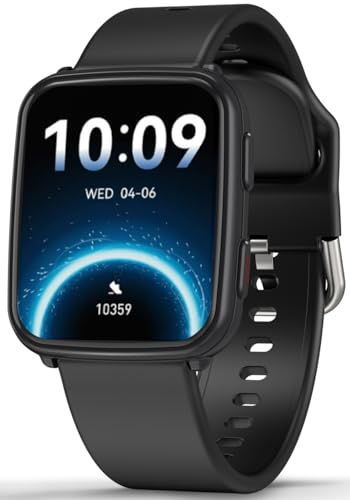
- Heart rate, blood pressure, SpO2, and sleep tracking
- 120+ sports modes with all-day activity data
- Reminders and practical tools for daily routines
Best For: Seniors who want health tracking paired with helpful daily reminders
Best Medical-Style Pick – KardiaMobile 1-Lead EKG Monitor
For shoppers seeking a heart rate monitor for seniors, the KardiaMobile focuses on checking heart rhythm rather than tracking everyday activity. Place fingers or thumbs on its sensors, and it provides results in about 30 seconds using a compatible smartphone.
Best For: Seniors who want a compact, FDA-cleared personal EKG monitor for occasional rhythm checks.
Pros:
- Provides 30-second heart rhythm results.
- Works without a subscription, Bluetooth, Wi-Fi, cords, or a PC.
- Compact design and compatibility with most smartphones.
- Includes a one-year warranty.
Cons:
- Requires a compatible smartphone for use.
- Measures heart rhythm rather than offering a full activity-tracking watch experience.
KardiaMobile is a focused choice for users prioritizing rhythm checks and simple operation over fitness features. Its small size and quick readings may suit seniors who want a dedicated monitor they can keep nearby.
Best No-Phone Fitness Watch – LIVIKEY Heart Rate Tracker
This LIVIKEY model is a practical heart rate monitor for seniors who want watch-style tracking without depending on a phone every day. It monitors heart rate automatically, records sleep and activity data, and offers nine sport modes.
Best For: Seniors who want an everyday fitness watch with heart rate, sleep, step, and activity tracking.
Pros:
- Does not require an app or phone for basic tracker use.
- Automatically monitors heart rate and tracks sleep.
- Records steps, calories, distance, and active time.
- Offers five to seven days of use and an IP68 waterproof rating.
Cons:
- Advanced features such as notifications and goal setting require phone connectivity.
- It cannot make calls or send texts.
With its familiar watch format and broad activity features, this tracker may be easier for seniors who prefer checking information on their wrist. Buyers should note the distinction between standalone tracking and phone-dependent smart features.
Best Pulse-Oximeter Option – Innovo Deluxe iP900AP
The Innovo Deluxe iP900AP is a fingertip option for shoppers comparing a heart rate monitor for seniors with a blood oxygen monitor. It displays pulse rate and SpO2 readings, includes a plethysmograph and perfusion index, and is designed for home or on-the-go use.
Best For: Seniors who want a simple fingertip device that checks pulse rate alongside blood oxygen saturation.
Pros:
- Measures pulse rate and SpO2.
- Includes an auditory alarm, pulse detection beeps, and adjustable brightness.
- Designed to perform at low blood perfusion, according to the supplied product notes.
- Comes with two AAA batteries and a lanyard.
Cons:
- It is a spot-check device, not a continuous wearable monitor.
- Its listed SpO2 measuring range is 70% to 100%.
- Requires the user to remain still during measurement.
This pulse oximeter is better suited to brief readings than all-day tracking. The audible alerts, brightness adjustment, and included batteries can make it convenient for home use, while the fingertip format keeps operation straightforward.
Best Large-Display Watch – DAVIKO Senior Fitness Tracker
The DAVIKO Senior Fitness Tracker combines a large 1.83-inch LCD with automatic heart rate monitoring, making it a practical heart rate monitor for seniors who prefer a wrist-worn display. Its core tracking functions can operate without a phone, while Bluetooth adds optional connected features.
Best For: Seniors who want a large, touch-controlled screen for heart rate, activity, sleep, and basic wellness tracking.
Pros:
- Large 1.83-inch LCD and touchscreen controls.
- Automatically tracks real-time heart rate.
- Core pedometer, timer, and sports features work without a phone.
- Offers up to seven days of battery life after about one hour of magnetic charging.
Cons:
- Some connected features require a compatible smartphone and Bluetooth.
- Blood oxygen checks are manual rather than automatic.
- Waterproof claims should not be treated as a substitute for following the manufacturer’s usage guidance.
The bright display and simplified controls are the main reasons to consider this model for an older adult. It offers a useful balance between standalone tracking and optional smartphone connectivity, with a battery designed for several days of wear.
Clear-Read Pick – Fingertip Pulse Oximeter
For shoppers seeking a straightforward heart rate monitor for seniors, this fingertip pulse oximeter emphasizes simple operation and easy-to-read results. Insert a finger and press the button to view pulse rate, SpO2, and signal strength on its bright OLED display.
Best For: Seniors who want a portable, no-fuss monitor for occasional pulse and oxygen checks at home or while traveling.
Pros:
- Large digits and a bright display support easier reading.
- One-button operation provides quick results.
- Includes two AAA batteries, a lanyard, and an instruction manual.
- Compact design is convenient for bags, pockets, and outdoor use.
Cons:
- Measures through the fingertip rather than providing continuous wrist monitoring.
- The stated SpO2 measuring range is 70% to 100%.
This is a practical choice when visibility and simplicity matter more than activity tracking. Its waveform bar graph offers an additional visual indication of pulse strength, while auto power-off helps conserve battery life.
Phone-Free Wearable – Senior-Friendly Pedometer Watch
This pedometer watch is a versatile heart rate monitor for seniors who prefer a wearable display without app or phone setup. Its large color touchscreen shows real-time heart rate, while the watch also supports manual blood oxygen checks and everyday activity tracking.
Best For: Seniors who want heart-rate and fitness features in a watch that can be used without a smartphone connection.
Pros:
- No app or phone connection is required for basic use.
- Large 41-millimeter color display and touchscreen support easier operation.
- Tracks steps, calories, distance, activity time, and sleep data.
- Magnetic charging takes about 1.5 hours and provides up to seven days per charge according to the supplied notes.
Cons:
- Blood oxygen measurement is performed manually rather than described as continuous.
- The product includes smartphone compatibility, but the notes emphasize phone-free operation rather than app-based features.
Compared with a fingertip device, this watch is better suited to people who want ongoing wearable heart-rate monitoring alongside step and sleep information. Its IP68 waterproof rating and lightweight design also support regular wear, including swimming activities.
Workout Accuracy Pick – COROS Heart Rate Armband
For exercise-focused shoppers, the COROS armband is a heart rate monitor for seniors who want workout data from a comfortable wearable sensor. It connects by Bluetooth to compatible watches, phones, apps, and training equipment, but it is designed for sports and activities rather than daily heart-rate tracking.
Best For: Active seniors who want dedicated heart-rate data during workouts and already use Bluetooth-compatible training devices.
Pros:
- Soft, breathable armband is designed for comfortable exercise wear.
- Can pair with up to three devices simultaneously through Bluetooth.
- Wear detection automatically powers the monitor on and off when worn.
- Provides up to 38 hours of operation or 80 days of standby on one charge.
Cons:
- Not intended for collecting daily heart-rate tracking data.
- Bluetooth only; it is not compatible with ANT+.
- The large band fits arm sizes from 9.4 to 16.9 inches.
This armband is a specialized choice rather than a general wellness monitor. Its comfortable fit, automatic wear detection, and multi-device Bluetooth support make it useful for structured exercise, provided the user’s equipment supports Bluetooth.
Best All-Around Display – 120-Mode Heart Rate Smartwatch
Fitness Tracker Activity Watch with Heart Rate Sleep Tracker Blood Oxygen Trackertep Calorie Counter
Check Price On AmazonIf you want a feature-rich heart rate monitor for seniors, this smartwatch combines a large 1.58-inch high-resolution display with 24/7 heart rate, blood pressure, and blood oxygen monitoring. Its touch controls and side button provide flexible ways to navigate health data, notifications, and activity tracking.
Best For: Seniors who value a larger, easy-to-view display and broad health and exercise tracking.
Pros:
- Large 1.58-inch display with an always-on clock option
- 24/7 heart rate, blood pressure, and blood oxygen monitoring
- Tracks sleep, steps, distance, and calories
- Offers more than 120 exercise modes and up to 7 days of battery life
Cons:
- The many features may take time to learn
- Health readings are for personal reference rather than medical diagnosis
This is the strongest choice for shoppers who want a broad feature set without giving up screen visibility. Call and message notifications add convenience, while IP68 water resistance supports everyday wear.
Best Simple AMOLED Pick – Compact Heart Rate Fitness Tracker
This compact fitness watch is a practical heart rate monitor for seniors who prefer a straightforward design. It provides continuous heart-rate tracking, sleep monitoring, step counting, and notifications on a 1.10-inch AMOLED touchscreen.
Best For: Seniors seeking a compact tracker with essential health, activity, and notification features.
Pros:
- AMOLED color touchscreen for clear calls and message reminders
- 24/7 heart-rate tracking with resting heart-rate trends
- Sleep tracking covers awake, light, and deep sleep
- IP68 water resistance and up to 7 days of battery life
Cons:
- The 1.10-inch screen is smaller than the displays on the other listed options
- Includes 25 sports modes rather than 120+
- No warranty is listed in the supplied details
Its smaller profile and focused feature set may suit users who do not need an extensive sports library. Connected GPS, reminders, and smartphone notifications add useful day-to-day functionality.
Best for Routine Building – MorePro Heart Rate Activity Tracker
The MorePro is a versatile heart rate monitor for seniors with 24/7 heart-rate and blood-pressure monitoring, on-demand blood oxygen checks, and detailed sleep tracking. Its reminders and practical tools can also support consistent daily routines.
Best For: Seniors who want health trends, activity tracking, and reminders in one wearable.
Pros:
- 24/7 heart-rate and blood-pressure monitoring plus on-demand SpO2 checks
- Tracks deep sleep, light sleep, wake-ups, steps, distance, and calories
- Offers more than 120 sports modes
- Includes sedentary and water reminders, alarms, weather, and find-my-phone tools
Cons:
- The supplied details state that it is not for medical use
- Requires Android 7.0 or later or iOS 13.0 or later
- Some lifestyle features may be unnecessary for users wanting only heart-rate tracking
MorePro stands out for combining health trend monitoring with routine-focused reminders. With IP68 protection, notification support, and up to 7 days of normal-use battery life, it is designed for continuous everyday wear.
How We Picked the Best Heart Rate Monitor for Seniors
We focused on products that measure heart rate in practical, easy-to-use formats. The selection includes no-phone fitness watches, fingertip pulse oximeters, wearable trackers, a dedicated chest-based sensor, and the KardiaMobile 1-Lead EKG Monitor for users who need more detailed rhythm checks.
We also considered display readability, setup requirements, portability, battery expectations, comfort, measurement speed, and extra readings such as blood oxygen or blood pressure estimates. These devices are for wellness and tracking—not for diagnosing or treating a medical condition.
Quick Comparison
- Best for occasional spot checks: A fingertip pulse oximeter is compact and easy to use while seated.
- Best for no-phone convenience: Choose a senior-friendly watch or pedometer with a built-in display.
- Best for exercise tracking: A wearable fitness tracker or dedicated heart rate sensor is more practical during activity.
- Best for rhythm information: A personal EKG device can provide more specific readings than a standard optical heart rate tracker.
- Best for all-day features: Smart fitness watches combine heart rate, steps, sleep, and sometimes blood oxygen tracking.
Key Buying Factors for a Heart Rate Monitor for Seniors
Display and Controls
Look for large numbers, high contrast, responsive buttons, and uncomplicated menus. A built-in screen is especially helpful for anyone who does not want to use a smartphone.
Measurement Method and Intended Use
Wrist-based optical sensors are convenient for passive tracking but can be affected by movement, fit, skin contact, or cold hands. Fingertip pulse oximeters are better suited to stationary spot checks. EKG monitors are designed for electrical rhythm recordings and serve a different purpose from ordinary pulse tracking.
Setup, Charging, and Connectivity
Check whether the device requires an app, Bluetooth, Wi-Fi, or a compatible phone. No-phone models reduce setup, while connected trackers may offer history, trends, and sharing features. Consider charging frequency and whether the controls are manageable.
Extra Health Metrics
Blood oxygen, sleep, steps, calories, and blood pressure estimates can be useful, but feature availability and accuracy vary. Treat consumer readings as informational, and follow a clinician’s advice for medical monitoring.
Who Should Buy Which Heart Rate Monitor for Seniors?
Choose a pulse oximeter for quick, occasional readings at home or while traveling. Choose a no-phone watch for simple daily heart rate and step tracking with minimal technology. Choose a connected fitness tracker if activity, sleep trends, and long-term records matter. Choose a dedicated heart rate sensor for workouts where a secure, purpose-built wearable is preferable. Choose an EKG monitor when a clinician has recommended rhythm recording or you want a device designed for more detailed cardiac readings.
No consumer heart rate monitor replaces professional evaluation. Seek medical advice for concerning symptoms, and ask a healthcare professional which measurements and alerts are appropriate for your situation.