The best heart rate monitor with watch combines convenient pulse tracking with the features you actually use, whether that means step counting, sleep insights, GPS workouts, or long battery life.
Our selection includes simple chest-strap systems, affordable fitness trackers, and advanced Garmin running watches. Use the guide below to compare accuracy, comfort, battery performance, and training tools before buying.
Best 10 Heart Rate Monitor with Watch Picks for 2026
Versatile Smartwatch
TG08 Heart Rate Monitor with Watch

- 120 sports modes plus heart rate and sleep tracking
- Bluetooth calls, notifications, music, and camera controls
- 1.83-inch display and stated 5–7-day active battery life
Best For: Everyday fitness tracking with smartwatch connectivity
Minimalist Wellness Tracker
Fitbit Inspire 3 Heart Rate Band

- 24/7 heart rate, sleep, stress, and activity tracking
- 40+ exercise modes with automatic exercise tracking
- Up to 10 days of stated battery life
Best For: Discreet wellness and sleep monitoring
Health-Focused Tracker
MorePro Heart Rate and BP Watch
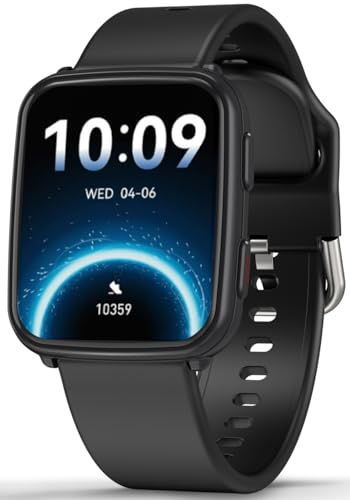
- 24/7 heart rate and blood pressure monitoring
- Blood oxygen, sleep, activity, and women’s health tracking
- 120+ sports modes with IP68 water resistance
Best For: Broad wellness tracking and everyday activity routines
Runner’s Training Watch

- Built-in GPS with wrist-based heart rate monitoring
- Adaptive workouts, Garmin Coach, and recovery guidance
- Up to 11 days smartwatch or 19 hours GPS battery life
Best For: Runners pursuing structured outdoor training
Best Everyday Wellness Tracker
MorePro Heart Rate Monitor Watch

- Continuous heart rate, blood pressure, and SpO2 tracking
- 112 sports modes with sleep and activity insights
- Up to 7-day battery life with notifications and reminders
Best For: Everyday wellness and activity tracking
Best Premium Training Watch
Garmin Forerunner 970 Heart Rate Watch

- Advanced running, recovery, and training-readiness metrics
- Built-in maps with multi-band GPS and routing
- Up to 15 days of smartwatch battery life
Best For: Serious runners and multisport athletes
Best Simple Chest-Strap System

- Chest strap sends real-time heart rate to the watch
- Safety-zone alerts, stopwatch, and calorie estimates
- 5ATM water resistance with up to 365-day battery life
Best For: Simple, phone-free workout heart rate tracking
Best Running Pick

- Wrist heart-rate and GPS tracking
- Suggested workouts and race predictions
- Up to 2 weeks of smartwatch battery
Best For: Runners seeking guided training and GPS data
Best Chest-Strap Value
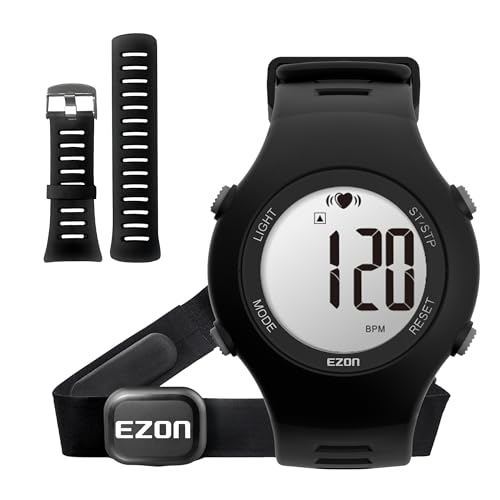
- Chest strap delivers workout heart-rate readings
- Heart-rate zone alerts and calorie estimates
- Replaceable batteries last up to 365 days
Best For: Users who want simple, long-lasting chest-strap tracking
Best Smart Band Display

- Bright 1.72-inch AMOLED touchscreen
- Up to 21 days of battery life
- Heart rate, sleep, blood oxygen, and sport tracking
Best For: Everyday wellness tracking with a bright, long-lasting display
Versatile Smartwatch – TG08 Heart Rate Monitor with Watch
If you want a heart rate monitor with watch features for everyday fitness and connectivity, the TG08 combines heart rate and sleep tracking with 120 sports modes. Its large display, Bluetooth calling, notifications, and long stated battery life make it a practical all-purpose wearable.
Best For: Adults seeking a budget-friendly smartwatch for workouts, notifications, calls, and general wellness tracking.
Pros:
- Tracks heart rate, sleep, steps, and activities across 120 sports modes.
- Supports Bluetooth calls, music control, camera control, and app notifications.
- 1.83-inch HD display with customizable watch faces.
- Stated battery life of 5–7 days with IP67 water resistance.
Cons:
- Health features are general wellness tools rather than medical monitoring.
- Step recording begins after exceeding 20 steps.
- IP67 protection is less robust than the deeper water resistance offered by some fitness trackers.
The TG08 is a feature-packed choice if you value smartwatch conveniences alongside basic heart rate and sleep insights. It is especially appealing for users who want broad activity coverage without moving to a specialized running watch.
Minimalist Wellness Tracker – Fitbit Inspire 3 Heart Rate Band
The Fitbit Inspire 3 is a slim heart rate monitor with watch-style wellness features, built for continuous tracking rather than calls or a large smartwatch display. It combines 24/7 heart rate data with activity, stress, sleep, and exercise metrics in a lightweight band.
Best For: Users who prioritize discreet all-day health, sleep, stress, and activity tracking over smartwatch extras.
Pros:
- 24/7 heart rate tracking with resting heart rate and irregular rhythm notifications.
- Tracks sleep, stress, blood oxygen, menstrual health, and daily activity.
- Includes 40+ exercise modes and automatic exercise tracking.
- Up to 10 days of stated battery life and water resistance to 50 meters.
Cons:
- Its 0.76-inch display is smaller than a typical smartwatch screen.
- GPS is provided through a connected smartphone rather than built in.
- Compatibility requires Apple iOS 16.4 or higher or Android OS 11.0 or higher.
Choose the Inspire 3 when a comfortable, low-profile tracker matters more than on-wrist calls and apps. Its strength is the breadth of passive wellness data, including sleep, stress, activity, and heart rate trends.
Health-Focused Tracker – MorePro Heart Rate and BP Watch
The MorePro is a heart rate monitor with watch functionality for users who want a broad set of wellness readings. Along with 24/7 heart rate tracking, it offers blood pressure monitoring, on-demand blood oxygen checks, sleep analysis, sport modes, and routine reminders.
Best For: Adults wanting extensive wellness and activity tracking, including blood pressure and women’s health features.
Pros:
- Offers 24/7 heart rate and blood pressure monitoring plus on-demand blood oxygen checks.
- Tracks sleep stages, steps, distance, calories, and workout time.
- Includes 120+ sport modes and women’s menstrual cycle tracking.
- IP68 waterproof design, notifications, customizable watch faces, and up to 7 days of normal-use battery life.
Cons:
- The product notes state that its health tracking is not for medical use.
- It does not list built-in GPS; phone compatibility is required for connected features.
- Not compatible with PCs or tablets.
The MorePro stands out for the number of health-oriented metrics and lifestyle tools included. It is a good fit for tracking trends and building routines, provided you treat readings as general wellness information rather than clinical measurements.
Runner’s Training Watch – Garmin Forerunner 165
The Garmin Forerunner 165 is a heart rate monitor with watch functionality designed primarily for runners and structured training. It pairs wrist-based heart rate tracking with built-in GPS, adaptive workouts, recovery guidance, and a bright AMOLED display.
Best For: Runners who want GPS accuracy, training guidance, recovery insights, and dedicated activity profiles.
Pros:
- Built-in GPS tracks running pace and distance without relying on a phone.
- Wrist-based heart rate monitoring with training effect and recovery time features.
- Personalized daily suggested workouts, Garmin Coach, and race-adaptive plans.
- Up to 11 days in smartwatch mode and up to 19 hours in GPS mode.
Cons:
- Its running-focused feature set may be more than casual users need.
- Some safety and smart features require a paired smartphone and network coverage.
- Garmin Pay requires a supported country and payment network.
For serious runners, the Forerunner 165 offers a more training-oriented experience than general-purpose trackers. Built-in GPS and adaptive coaching make it the strongest choice here for planning, recording, and improving outdoor runs.
Best Everyday Wellness Tracker – MorePro Heart Rate Monitor Watch
If you want a heart rate monitor with watch features for everyday wellness tracking, the MorePro combines continuous heart rate monitoring with blood pressure and blood oxygen readings. It also adds sleep tracking, activity metrics, notifications, and practical reminders in a lightweight touchscreen design.
Best For: Everyday users who want broad wellness and activity tracking without needing advanced running or training tools.
Pros:
- Tracks heart rate continuously and provides high heart rate alerts.
- Includes sleep tracking, 112 sports modes, and all-day activity metrics.
- Offers up to 7 days of battery life, two bands, and 200+ watch faces.
- Provides call, text, and supported app notifications on the wrist.
Cons:
- Health readings are for general wellness reference and are not medical measurements.
- It can show call alerts but cannot make or answer calls.
- IP68 protection is not recommended for swimming, diving, or showering.
The MorePro is a versatile, budget-friendly choice when you want a heart rate monitor with watch conveniences, including notifications, sleep insights, and reminders. Smartphone GPS is required, and the watch is not intended to replace medical equipment.
Best Premium Training Watch – Garmin Forerunner 970 Heart Rate Watch
For serious runners and multisport athletes, the Garmin Forerunner 970 is a heart rate monitor with watch capabilities built around training analysis. It combines wrist-based heart rate tracking with advanced running metrics, built-in maps, multi-band GPS, recovery guidance, and a bright AMOLED display.
Best For: Runners, triathletes, and dedicated athletes who want detailed training, navigation, and recovery features.
Pros:
- Offers up to 15 days of smartwatch battery life and up to 26 hours in GPS mode.
- Includes built-in maps, multi-band GPS, and dynamic round-trip routing.
- Provides training readiness, HRV status, running dynamics, and running power features.
- Has a titanium bezel, sapphire lens, touchscreen and buttons, plus a built-in LED flashlight.
Cons:
- Some advanced metrics require the separately sold HRM 600 monitor.
- The ECG app is not available in all countries and is intended for users 22 or older.
- Its advanced feature set may be more than casual users need.
The Forerunner 970 is the strongest option here for structured training and outdoor navigation. It is a premium device-focused watch, so buyers should account for the separate HRM 600 requirement for certain running metrics.
Best Simple Chest-Strap System – EZON Heart Rate Monitor Watch
The EZON is a straightforward heart rate monitor with watch and chest-strap system for people who prioritize workout accuracy and simplicity. The strap sends real-time heart rate data to the digital watch, which also estimates calories, includes a stopwatch, and can alert you when you exceed your personalized safety zone.
Best For: Workout-focused users who want chest-strap heart rate tracking without smartphone or smartwatch connectivity.
Pros:
- Chest strap provides real-time heart rate monitoring during exercise.
- Displays heart rate and estimated calorie consumption on the watch.
- Personalized settings support a heart rate safety zone with audible alerts.
- 5ATM waterproofing and batteries rated for up to 365 days reduce charging needs.
Cons:
- It has a basic digital display rather than smartwatch features or app syncing.
- The chest strap must be worn for heart rate readings during workouts.
- Battery replacement requires simple tools, including a Phillips screwdriver for the watch.
The EZON makes sense if you want a dedicated training timer and heart rate system with long battery life. Its chest strap can suit interval and endurance workouts, but it lacks the notifications, GPS, and connected features found on modern smartwatches.
Best Running Pick – Garmin Forerunner 55
If you want a heart rate monitor with watch functionality built around running, the Garmin Forerunner 55 combines wrist-based heart-rate monitoring with GPS pace, distance, and route tracking. Its suggested workouts and long battery life make it practical for regular training.
Best For: Runners who want guided training and GPS tracking in a straightforward watch.
Pros:
- Monitors heart rate at the wrist and tracks distance, pace, and location with GPS.
- Offers daily suggested workouts, race predictions, and finish-time estimates.
- Battery lasts up to two weeks in smartwatch mode or 20 hours in GPS mode.
- Supports multiple activity profiles, including cycling, pool swimming, Pilates, and HIIT.
Cons:
- Heart-rate monitoring is not intended to be a medical device.
- It does not include on-device course compatibility with the PacePro feature.
- Some customization features require compatible smartphone apps.
The Forerunner 55 is a focused choice for runners who value training guidance, GPS workout data, and dependable battery life more than smartwatch extras.
Best Chest-Strap Value – EZON T037 Heart Rate Watch
The EZON T037 is a heart rate monitor with watch setup that pairs a digital display with a chest strap for workout heart-rate readings. It is designed for people who prefer a dedicated training tool without relying on a phone or frequent charging.
Best For: Fitness users who prioritize chest-strap monitoring, simple controls, and long battery life.
Pros:
- Chest strap provides heart-rate readings during running, cycling, treadmill workouts, and other exercise.
- Displays heart rate and estimated calories during workouts.
- Includes a stopwatch, hourly chime, and customizable heart-rate safety zone with alerts.
- Both watch and sensor use replaceable CR2032 batteries rated for up to 365 days.
Cons:
- Requires wearing a separate chest strap for heart-rate monitoring.
- Setup and battery replacement involve physical buttons and small tools.
- Its feature set is focused on workout timing and heart-rate tracking rather than smart features.
Choose the T037 if you want a purpose-built heart-rate training system with a large display, 5ATM water resistance, and minimal charging requirements.
Best Smart Band Display – Xiaomi Smart Band 10
The Xiaomi Smart Band 10 offers heart-rate monitoring in a slim fitness band with a bright 1.72-inch AMOLED touchscreen. It adds sleep, blood oxygen, multi-sport, and swimming features, making it a versatile heart rate monitor with watch-style convenience.
Best For: Users who want a bright fitness band with extended battery life, wellness tracking, and water resistance.
Pros:
- Includes heart-rate, sleep, blood oxygen, and activity tracking.
- Large AMOLED display reaches 1500 nits HBM brightness for visibility in bright conditions.
- Provides up to 21 days of battery life and supports fast charging.
- Offers multi-sport tracking, swimming direction analysis, and 5ATM water resistance.
Cons:
- It does not have built-in GPS, according to the supplied specifications.
- Metric-system support in the Xiaomi Fit app may require third-party Google Fit connectivity for imperial measurements.
- Some features require a compatible Android or iOS smartphone and the Mi Fitness app.
The Smart Band 10 is a strong everyday option for wellness and activity tracking, especially if you value a large display and long battery life over standalone GPS.
How We Picked the Best Heart Rate Monitor with Watch
We selected models across several budgets and use cases, focusing on heart rate tracking, comfort, workout support, battery life, water resistance, and ease of use. The roundup includes wrist-based trackers for everyday monitoring, GPS watches for runners, and chest-strap systems for buyers who prioritize a dedicated heart rate sensor.
Feature claims such as blood pressure and blood oxygen tracking should be treated as wellness estimates rather than medical measurements. If you need clinically reliable readings, consult a healthcare professional and use an appropriate medical device.
Quick Comparison
| Type | Best For | Main Advantage | Potential Trade-Off |
|---|---|---|---|
| Fitness band | Everyday activity and sleep tracking | Lightweight, affordable design | Smaller displays and fewer advanced tools |
| GPS running watch | Structured training and outdoor workouts | Detailed metrics and route tracking | Higher cost and larger case |
| Chest strap and watch | Workout-focused heart rate monitoring | Consistent sensor contact during exercise | Less convenient for all-day wear |
| General smartwatch | Calls, notifications, and casual fitness | Broad everyday functionality | Heart rate data may be less specialized |
Key Buying Factors for a Heart Rate Monitor with Watch
Sensor Design and Accuracy
Wrist sensors are convenient for resting heart rate and everyday activity, while chest straps generally provide a closer-to-the-source reading during intense exercise. Fit matters with either style: the watch should sit securely above the wrist bone, and a chest strap should maintain firm but comfortable contact.
Workout and GPS Features
Casual users may only need heart rate, steps, calories, and a few sports modes. Runners and cyclists should look for built-in GPS, pace and distance metrics, interval support, recovery information, and compatibility with their preferred training apps. A watch with more modes is not automatically better if the interface is difficult to use.
Battery Life and Charging
Long battery life reduces charging interruptions and makes overnight tracking more practical. Check whether the advertised runtime assumes basic use, because GPS, bright displays, calls, and frequent notifications can shorten it significantly.
Comfort, Durability, and Water Resistance
Choose a slim band for sleep and continuous wear, or a sturdier watch for outdoor training. IP ratings and ATM water-resistance ratings are not identical, so confirm the manufacturer’s guidance before swimming or showering. Also check band sizes, case dimensions, and replacement-band availability.
Smart Features and Compatibility
Consider whether you need phone notifications, Bluetooth calls, voice assistants, music controls, or app synchronization. Confirm Android and iPhone compatibility before purchase, especially if you rely on advanced health or training features.
Who Should Buy Which Heart Rate Monitor with Watch?
Choose a fitness band if you want an unobtrusive Heart Rate Monitor with Watch for steps, sleep, and basic workouts at a lower price. Xiaomi and Fitbit-style bands are particularly suited to everyday wear.
Choose a Garmin Forerunner if running performance is your priority. The Forerunner 55 suits budget-conscious runners, while the Forerunner 165 and 970 offer progressively richer displays, training insights, and performance features.
Choose an EZON chest-strap system if exercise heart rate is more important than smartwatch convenience. It can be a practical choice for buyers who want a dedicated training monitor with a simple digital watch.
Choose a general smartwatch or MorePro tracker if you want a broad mix of notifications, activity tracking, sleep monitoring, and wellness estimates without paying for a specialized training platform.