Finding comfortable running shoes for bunions can make a meaningful difference in how confidently you walk, train, and recover. The right pair should reduce pressure on the big-toe joint without sacrificing cushioning, stability, or a secure fit.
We selected 10 options with features that may help accommodate bunions, including wider sizing, roomy toe boxes, flexible uppers, supportive footbeds, and cushioned midsoles. Use the guide below to narrow the list based on your gait, terrain, and comfort priorities.
Best 10 Running Shoes for Bunions Picks for 2026
Best Wide-Trail Support
OrthoComfoot Women's Trail Running Sneakers

- Roomy wide toe box for bunion comfort
- Contoured arch support with maximum cushioning
- Traction outsole for trails and uneven surfaces
Best For: Wide or sensitive feet used outdoors
Best Maximum Cushioning
Skechers Max Cushioning Endeavour

- Responsive ULTRA LIGHT cushioning
- Breathable Air-Cooled Goga Mat insole
- Rocker design for smooth transitions
Best For: Neutral road and treadmill runners wanting soft cushioning
Best Everyday Wide Toe Box
LOCFIR Women's Wide Walking Shoes

- Wide toe box supports natural toe spread
- Removable arch-support insole with foam cushioning
- Breathable knit upper for daily wear
Best For: Walking, travel, work, and light running
Best Lightweight Road Option
New Balance Fresh Foam Arishi V4

- Lightweight Fresh Foam cushioning
- Breathable mesh upper with secure lacing
- Durable rubber outsole for road use
Best For: Neutral runners seeking a lightweight everyday road shoe
Best Stability Pick
Brooks Adrenaline GTS 25 Running Shoe

- GuideRails system supports natural motion
- Maximum DNA LOFT v3 cushioning
- Breathable mesh with a secure fit
Best For: Runners and walkers seeking stability and maximum cushioning
Best Orthopedic Support Pick
OrthoComfoot Wide Toe Box Sneakers

- Spacious toe box designed for bunions
- Built-in arch and orthopedic support
- Shock absorption with slip-resistant tread
Best For: Daily walking and light activity for shoppers needing bunion-friendly orthopedic support
Spacious Forefoot Choice
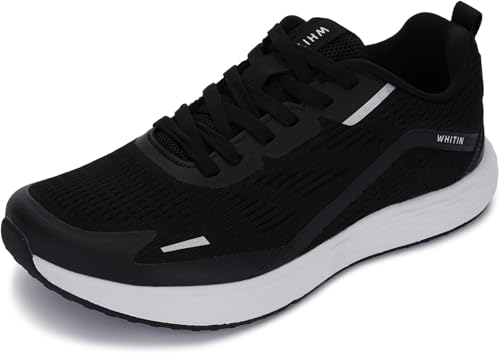
- Wide toe box for natural toe splay
- Zero-drop, stable platform
- Removable insole and moderate EVA cushioning
Best For: Bunions, wider feet, and daily walking
Minimalist Toe-Splay Pick

- Wide toe box supports natural toe splay
- Zero-drop low-profile build
- Removable footbed for flexible comfort
Best For: Walking and daily activities with bunion-friendly room
Best Wide-Trail Support – OrthoComfoot Women's Trail Running Sneakers
For shoppers comparing running shoes for bunions, this OrthoComfoot trail model emphasizes a roomy wide toe box, a cushioned platform, and a smooth interior that helps reduce pressure points. Its traction-focused outsole also makes it suitable for mixed outdoor surfaces.
Best For: Wide or sensitive feet needing cushioned support for trail walking, hiking, and casual outdoor use.
Pros:
- Wide construction and wide toe box help reduce squeezing around bunions and hammer toes.
- Contoured arch support and maximum cushioning are designed for comfort during longer walks or runs.
- Textured rubber outsole provides grip on trails, pavement, and uneven surfaces.
- Soft lining and breathable materials suit sensitive-foot all-day wear.
Cons:
- Not water resistant, so it is less suitable for wet conditions.
- The trail-oriented design may be more structured than needed for casual road running.
This is a strong option when forefoot room and outdoor traction are higher priorities than a minimalist, lightweight feel.
Best Maximum Cushioning – Skechers Max Cushioning Endeavour
Skechers Women's Max Cushioning Endeavour Canova Sneaker, Black/Pink, 7.5 Wide
Check Price On AmazonThe Skechers Max Cushioning Endeavour is a practical choice among running shoes for bunions when soft, responsive cushioning is the main goal. Its breathable insole, lightweight midsole, and rocker-style transition support road running and treadmill sessions.
Best For: Neutral runners and walkers seeking maximum cushioning for roads, treadmills, and everyday wear.
Pros:
- ULTRA LIGHT midsole cushioning delivers a lightweight, responsive feel.
- Air-Cooled Goga Mat insole adds breathable, high-rebound cushioning.
- Natural Rocker Technology supports smooth heel-to-toe transitions.
- Machine-washable construction is convenient for regular use.
Cons:
- The supplied details do not identify a wide fit or bunion-specific toe box.
- Neutral support may not suit shoppers seeking pronation correction.
- Not water resistant.
This model is best considered when cushioning and easy transitions matter more than specialized forefoot width or orthopedic features.
Best Everyday Wide Toe Box – LOCFIR Women's Wide Walking Shoes
These LOCFIR sneakers focus on natural toe spread, making them a useful everyday pick for shoppers seeking running shoes for bunions. The knit upper, removable arch-support insole, and flexible slip-resistant outsole are suited to walking, light running, commuting, and extended standing.
Best For: Everyday walking, travel, work, and light running when toe room and breathable comfort are priorities.
Pros:
- Wide toe box is designed to reduce toe squeezing and support natural spread.
- Removable arch-support insole and foam cushioning help absorb shock and reduce fatigue.
- Breathable knit upper promotes airflow for all-day wear.
- Lightweight molded outsole provides flexibility and slip resistance.
Cons:
- Moderate cushioning may feel less protective than maximum-cushioning models.
- The low-arch design may not suit shoppers needing stronger arch support.
- Not water resistant.
Choose this pair for a roomy, casual sneaker that can handle varied daily activities; dedicated trail runners may prefer a more rugged outsole.
Best Lightweight Road Option – New Balance Fresh Foam Arishi V4
The New Balance Fresh Foam Arishi V4 offers a lightweight, everyday road-running design for shoppers comparing running shoes for bunions. Fresh Foam cushioning, a breathable mesh upper, and a secure lace-up fit support comfortable daily workouts and casual wear.
Best For: Neutral runners wanting a lightweight road shoe with soft cushioning for everyday activity.
Pros:
- Fresh Foam midsole provides a soft, cushioned, lightweight ride.
- Breathable mesh upper with no-sew overlays supports a comfortable fit.
- Durable rubber outsole suits running, workouts, and daily athletic use.
- Lightweight construction is suitable for extended everyday wear.
Cons:
- The supplied details do not specify a wide fit or bunion-focused toe box.
- Neutral support may not meet the needs of runners requiring pronation correction.
- Not water resistant.
This is a sensible road option when low weight and familiar cushioning are more important than explicitly wide or orthopedic construction.
Best Budget-Friendly Wide-Toe Pick – ZYEN Wide Toe Box Air Cushion Running Shoes
For shoppers comparing running shoes for bunions, the ZYEN model emphasizes a roomy toe box that lets toes spread naturally. Its breathable mesh upper, moderate air cushioning, and adjustable laces make it a practical option for running, walking, gym sessions, and everyday wear.
Best For: People seeking an affordable-feeling, lightweight shoe with extra toe room for walking and casual athletic use.
Pros:
- Wide toe box helps reduce squeezing around bunions.
- Air-cushioned outsole provides a buffer against impact.
- Stretchy knit mesh supports airflow and keeps the shoe lightweight.
- Versatile design suits running, walking, gym workouts, and daily wear.
Cons:
- Moderate cushioning may offer less underfoot support than maximum-cushion models.
- Not water resistant.
The ZYEN is a straightforward choice when toe freedom and breathability are priorities. Its flat profile and moderate cushioning should appeal to shoppers who want a flexible everyday sneaker rather than a specialized stability shoe.
Best Stability Pick – Brooks Adrenaline GTS 25 Running Shoe
Brooks Women’s Adrenaline GTS 25 Supportive Running & Walking Shoe - White/Black/White - 8.5 Wide
Check Price On AmazonThe Brooks Adrenaline GTS 25 is worth considering among running shoes for bunions when you also want structured support. Its breathable mesh upper, holistic GuideRails system, and maximum DNA LOFT v3 cushioning are designed for a smooth, supported ride during running and walking.
Best For: Runners and walkers who prioritize stability, substantial cushioning, and a secure fit.
Pros:
- GuideRails support helps keep excess movement in check.
- Maximum nitrogen-infused cushioning provides a soft, dynamic ride.
- Breathable engineered mesh and a flat-knit collar balance structure and flexibility.
- Certified PDAC A5500 diabetic shoe and granted the APMA Seal of Acceptance.
Cons:
- The supplied details do not identify a wide or bunion-specific toe box.
- Not water resistant.
The Adrenaline GTS 25 is the strongest support-focused option here, particularly for concrete surfaces and longer activity. Because the notes do not specify a wide fit, shoppers with bunions should confirm sizing and forefoot room before buying.
Best Orthopedic Support Pick – OrthoComfoot Wide Toe Box Sneakers
For shoppers specifically seeking running shoes for bunions, the OrthoComfoot combines a spacious toe box with built-in arch support and orthopedic cushioning. The design is aimed at relieving pressure during standing and walking, while breathable mesh and a slip-resistant rubber outsole support everyday use and light outdoor activity.
Best For: People with bunions, plantar fasciitis, flat feet, or foot soreness who need roomy comfort and moderate support.
Pros:
- Wide toe box is designed for bunions, wide feet, and swollen feet.
- Built-in arch support targets plantar fasciitis, heel pain, and overpronation.
- Thick cushioning helps absorb impact and reduce fatigue.
- Multi-directional rubber tread provides grip on wet and dry surfaces.
Cons:
- Designed primarily for walking, errands, and light runs rather than demanding road training.
- Not water resistant.
- Moderate cushioning may feel less plush than a maximum-cushion running shoe.
The OrthoComfoot is the most directly bunion-focused option in this roundup, pairing toe space with orthopedic features. It is a sensible choice for daily walking and standing, though dedicated runners may prefer a shoe built around a more specialized running platform.
Everyday Cushioning Pick – Fresh Foam 520 V9
If you want running shoes for bunions with a cushioned, lightweight feel, the New Balance Fresh Foam 520 V9 is designed for everyday road running, treadmill sessions, and active-day wear. Its neutral support and breathable mesh upper make it a versatile option, though the supplied details do not identify a dedicated wide toe box.
Best For: Runners seeking maximum cushioning and a lightweight, neutral shoe for road or treadmill use.
Pros:
- Fresh Foam midsole provides a soft, ultra-cushioned ride.
- Breathable engineered mesh supports comfortable daily wear.
- Lightweight design weighs approximately 208.2 grams.
- Lace-up closure allows an adjustable fit.
Cons:
- The standard design may be less suitable if you specifically need a spacious toe box for bunions.
- It is not water resistant.
The 520 V9 is a practical cushioning-first choice for everyday running. For bunion comfort, compare its fit carefully with models that explicitly offer extra forefoot room.
Spacious Forefoot Choice – WHITIN Wide Toe Box S882
For shoppers comparing running shoes for bunions, the WHITIN S882 stands out with a wide toe box designed to let toes relax and spread naturally. Its zero-drop platform, breathable knitted upper, and moderate EVA cushioning suit running, walking, and casual daily use.
Best For: Runners and walkers who prioritize toe splay, a flat zero-drop platform, and a lightweight feel.
Pros:
- Wide toe box is designed for natural toe spread and wider feet.
- Zero-drop construction provides a stable, natural-feeling foundation.
- Breathable knitted upper and soft lining offer a comfortable fit.
- Removable insole allows custom comfort.
Cons:
- Moderate cushioning may feel less plush than a maximum-cushioning running shoe.
- Zero-drop shoes may require an adjustment period for some runners.
- It is not water resistant.
The S882 is the most directly bunion-focused option here because its spacious toe box is an explicit feature. Its zero-drop profile is worth considering carefully if you normally wear traditional running shoes.
Minimalist Toe-Splay Pick – WHITIN S885
The WHITIN S885 is a low-profile option for shoppers seeking running shoes for bunions with natural toe splay and a balanced foot position. Its zero-drop build, breathable mesh upper, removable footbed, and flexible EVA midsole are geared toward walking and daily activities.
Best For: Walkers and light active use when a spacious forefoot, zero-drop feel, and removable footbed are priorities.
Pros:
- Wide toe-box design encourages natural toe splay.
- Zero-drop construction supports a balanced foot position.
- Breathable mesh and soft lining provide a glove-like feel.
- Removable footbed can help accommodate bunion-related comfort needs.
Cons:
- The product details emphasize walking and daily activities rather than dedicated running performance.
- Moderate cushioning may not suit runners seeking a highly cushioned ride.
- It is not water resistant.
The S885 is a sensible choice for everyday movement when forefoot space matters most. Its zero-drop, moderate-cushioning design is better matched to users comfortable with a minimalist-style platform.
How We Picked These Running Shoes for Bunions
We focused on shoes that address the fit and comfort concerns commonly associated with bunions. The selection includes models marketed with wide or extra-wide sizing, anatomical or roomy toe boxes, cushioned midsoles, arch support, and adaptable uppers. We also considered options for road running, walking, gym workouts, trails, and everyday wear.
No shoe can correct a bunion or replace professional medical advice. The best choice depends on the shape of your foot, the severity of your symptoms, and whether you need neutral cushioning or added stability.
Quick Comparison
| Best For | Features to Prioritize |
|---|---|
| Daily road running | Responsive cushioning, breathable upper, secure heel |
| Wide or sensitive forefeet | Wide sizing, roomy toe box, flexible materials |
| Overpronation | Structured support and a stable platform |
| Walking and casual wear | Soft cushioning, arch support, easy all-day comfort |
| Trails and uneven paths | Durable outsole, traction, protected upper |
| Minimalist or natural movement | Flexible sole and lower heel-to-toe drop |
Key Buying Factors for Running Shoes for Bunions
Toe-Box Width and Shape
Your toes should be able to spread without rubbing against the sidewall. Look for wide or extra-wide versions, but check the actual fit because width labels vary by brand. A shoe that is long enough but narrow across the forefoot may still aggravate pressure points.
Upper Flexibility
Stretch mesh or forgiving fabric can accommodate a bunion more comfortably than stiff overlays. The upper should hold your foot securely without creating a tight seam over the big-toe joint.
Cushioning and Stability
Plush cushioning may help reduce impact on pavement, while a stable base can feel more supportive during longer walks or runs. If you already use orthotics, choose a removable or sufficiently roomy footbed and confirm that the insert does not crowd the toes.
Heel Fit and Sizing
A roomy forefoot should not mean a loose heel. Try shoes later in the day, wear your usual running socks, and leave roughly a thumb’s width in front of the longest toe. If you are between sizes, compare the brand’s measurement chart rather than guessing.
Who Should Buy Which Running Shoes for Bunions?
Choose a traditional cushioned road shoe if you primarily run on pavement and want a familiar balance of comfort and protection. A wide-toe-box model is a better starting point if forefoot pressure is your main concern. Runners who need guidance against inward rolling should prioritize a stability-oriented design, such as a model with structured support.
For walking, standing, and casual daily use, look for soft cushioning and dependable arch support rather than an aggressive performance fit. Trail users should favor traction and a secure heel as well as forefoot room. If you prefer a natural-feeling stride, wide zero-drop shoes can offer extra toe freedom, but transition gradually because they may load the calves and feet differently.
Whichever style you choose, stop using a pair that causes sharp pain, persistent numbness, or increasing irritation. A podiatrist or qualified running specialist can help evaluate your gait and recommend suitable footwear or orthotics.