Rocky trails demand more than a secure fit and aggressive tread. The best trail running shoes with rock plates help shield your feet from sharp stones and roots while maintaining the traction and flexibility needed for uneven ground.
This roundup compares 10 options across cushioning, waterproof protection, fit, grip, and performance features, so you can find the right pair for daily trail miles, long hikes, or technical mountain routes.
Best 10 Trail Running Shoes with Rock Plate Picks for 2026
Best Overall

- StoneGuard protects against rocks and debris
- Grippy MaxTrac outsole for varied terrain
- Moderate cushioning with a neutral setup
Best For: All-around trail running on mixed terrain
Best Budget-Friendly Pick
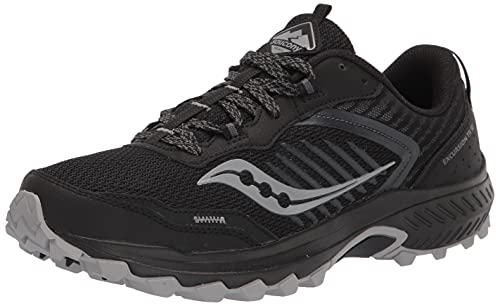
- Grippy carbon-rubber lugs
- Moderate VERSARUN cushioning
- Supportive overlays help block debris
Best For: Casual trails, hiking, and everyday outdoor use
Best for Mountain Trails

- Flexible Ballistic Rock Shield
- TrailTack Green traction for wet and dry ground
- Responsive DNA LOFT v3 cushioning
Best For: Rugged mountain trails and uneven terrain
Best for Wet Conditions

- Forefoot rock plate for rocky trails
- Vibram Megagrip traction
- Quick-draining closed-cell insole foam
Best For: Wet, rocky hikes and trail outings
Versatile Women's Trail Pick
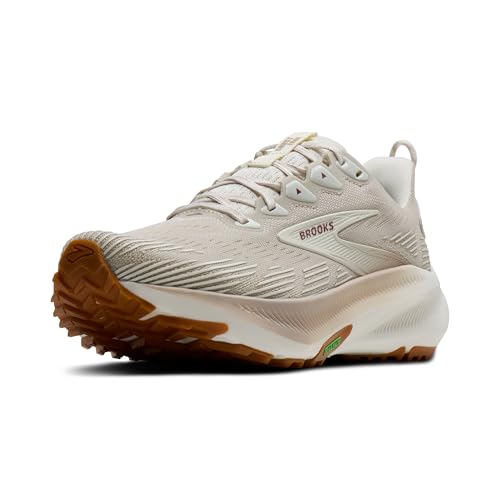
- Plush DNA LOFT v3 cushioning
- 3mm-lug TrailTack Green outsole
- Protective, breathable upper
Best For: Women running or hiking on varied rocky trails
Waterproof Rock Protection

- Flexible rock protection plate
- Waterproof GORE-TEX coverage
- Responsive FF BLAST MAX cushioning
Best For: Wet-weather trail running on rocky terrain
Men's Cushioned Trail Choice

- DNA LOFT v3 cushioning
- 3mm-lug all-terrain outsole
- Breathable upper with rock protection
Best For: Men running or hiking dry, rocky trails
Waterproof Technical Pick

- GORE-TEX waterproof protection
- Vibram Megagrip outsole with 4 mm lugs
- Forefoot rock plate for sharp terrain
Best For: Wet technical trails and hiking
Maximum-Cushion Grip Pick

- Vibram Megagrip Litebase traction
- Maximum ECCEVAI cushioning
- Dual-zone lacing for a secure fit
Best For: Long trail runs on rugged, varied surfaces
Race-Day Carbon Option

- Removable carbon plate for propulsion
- BOA dual-zone precision fit
- High-cushion, approximately 8.9-ounce design
Best For: Long-distance training and race-day speed
Best Overall – ALTRA Lone Peak 9
The ALTRA Men’s Lone Peak 9 is a versatile choice among trail running shoes with rock plate protection. Its StoneGuard helps shield your feet from rocks and debris while retaining a flexible, stable feel, and the MaxTrac outsole is designed for traction across varied terrain.
Best For: Trail runners seeking balanced protection, moderate cushioning, and dependable grip on mixed terrain.
Pros:
- StoneGuard provides underfoot protection from rocks and debris.
- MaxTrac outsole offers grip, traction, and durability across different terrain.
- Moderate foam cushioning and a neutral setup support everyday trail use.
- Received the APMA Seal of Acceptance for promoting good foot health.
Cons:
- Not water resistant.
- Listed as a casual-style shoe, which may not suit runners wanting a highly specialized racing design.
The Lone Peak 9 combines trail protection with a flexible, stable ride. It is a strong all-around option when rock coverage and outsole grip matter more than weatherproofing.
Best Budget-Friendly Pick – Saucony Excursion TR15
The Saucony Excursion TR15 is a practical entry in trail running shoes with rock plate protection for runners who prioritize basic traction and cushioning. Its carbon-rubber outsole uses grippy lugs for firm footing, while VERSARUN cushioning adds moderate underfoot comfort.
Best For: Casual trail runners and hikers wanting a straightforward, cushioned shoe with durable traction.
Pros:
- Carbon-rubber outsole with grippy lugs supports solid footing.
- VERSARUN cushioning provides moderate comfort.
- Supportive overlays help secure the foot and protect against debris.
- Contains recycled materials.
Cons:
- Not water resistant.
- Its surface recommendation is listed as road, so it may be less trail-specific than the other options.
The Excursion TR15 keeps the design uncomplicated, pairing trail-oriented traction with everyday cushioning. Consider it for light trail use, hiking, and mixed casual outdoor activities rather than the most technical terrain.
Best for Mountain Trails – Brooks Cascadia 19
Brooks Women’s Cascadia 19 Mountain Trail Running Shoe - Clearwater/Primer Grey/Apricot - 8 Medium
Check Price On AmazonThe Brooks Women’s Cascadia 19 is built for demanding routes and stands out among trail running shoes with rock plate protection. Its articulated Ballistic Rock Shield works with DNA LOFT v3 cushioning and the Trail Adapt System to support stability and adaptability across rugged mountain terrain.
Best For: Trail enthusiasts tackling uneven mountain paths, wet or dry conditions, and technical landscapes.
Pros:
- Ballistic Rock Shield adds flexible protection underfoot.
- TrailTack Green outsole is designed for traction in wet and dry conditions.
- DNA LOFT v3 cushioning provides a soft, responsive ride.
- Reinforced toe cap, mudguard, and protective overlays help guard against trail debris.
Cons:
- Not water resistant.
- Moderate-to-high cushioning may feel less minimal for runners preferring a close-to-ground ride.
With its rock shield, adaptive stability system, and high-traction outsole, the Cascadia 19 is well suited to rugged routes. It also adds protective upper details for runners who regularly encounter debris and uneven ground.
Best for Wet Conditions – Topo Athletic Traverse
The Topo Athletic Traverse is a hiking-focused option among trail running shoes with rock plate protection. A forefoot rock plate helps protect against rough ground, while the Vibram Megagrip outsole targets traction and slip resistance. Its closed-cell insole foam is designed to keep water out and drain quickly in wet conditions.
Best For: Hikers and trail users who want strong grip, forefoot protection, and quick-draining construction.
Pros:
- Forefoot rock plate adds protection on rocky trails.
- Vibram Megagrip outsole provides traction and slip resistance.
- Closed-cell FKT Insole foam is designed to keep water out and drain quickly.
- Tightly woven mesh upper offers a durable, secure fit.
Cons:
- Listed primarily as a hiking shoe rather than a trail-running model.
- At 1.8 pounds, it is heavier than the listed Brooks and ALTRA models.
- Despite water-resistant features, the water resistance level is listed as not water resistant.
The Traverse emphasizes protection and traction over a lightweight running feel. It makes the most sense for hiking and wet, rocky trail use where grip, drainage, and forefoot coverage are priorities.
Versatile Women's Trail Pick – Brooks Women's Ghost Trail
The Brooks Women’s Ghost Trail is a versatile option for runners seeking trail running shoes with rock plate-style protection features. It combines a cushioned Ghost-inspired ride with TrailTack Green rubber, 3mm lugs, and reinforced areas that help guard against rocks and debris on dry, rocky, and technical terrain.
Best For: Women who want cushioned trail shoes for long runs, hikes, and varied off-road surfaces.
Pros:
- DNA LOFT v3 cushioning provides plush landings with responsive support.
- TrailTack Green rubber outsole and 3mm lugs provide traction on wet and dry surfaces.
- Air mesh and 3D-printed overlays balance breathability with toe and mudguard protection.
- Heel-locking design and adjustable lacing help create a secure fit.
Cons:
- It is listed as not water resistant despite all-weather grip features.
- The supplied details do not specifically identify a dedicated rock plate.
This is a strong choice when cushioning and adaptable traction matter more than a specifically documented rock plate. The protective upper and durable outsole add confidence on rocky paths without making the shoe sound overly specialized.
Waterproof Rock Protection – ASICS Men's Trabuco 14 GTX
The ASICS Men’s Trabuco 14 GTX is a practical pick for runners looking for trail running shoes with rock plate protection in wet, rugged conditions. Its flexible rock protection plate helps shield the foot from rocks, while GORE-TEX invisible fit construction adds waterproof coverage and FF BLAST MAX foam supplies cushioned energy return.
Best For: Men running trails, dirt paths, and rocky terrain in wet weather or low-light conditions.
Pros:
- Flexible rock protection plate helps protect feet from rugged terrain.
- GORE-TEX invisible fit provides waterproof coverage and supports quicker dry-out times.
- FF BLAST MAX cushioning combines softness with responsive energy return.
- Lace band helps keep laces tucked, while reflective details improve visibility.
Cons:
- Waterproof construction may be warmer than a more open, non-waterproof trail shoe.
- The supplied notes do not provide lug depth or detailed outsole traction specifications.
Among these options, this is the clearest match for the keyword because the product explicitly includes a flexible rock protection plate. Add waterproof coverage and reflective details, and it becomes especially compelling for wet-weather and early-morning trail use.
Men's Cushioned Trail Choice – Brooks Men's Ghost Trail
The Brooks Men’s Ghost Trail suits runners who want cushioned trail running shoes with rock plate-style protection features for dry, rocky routes. Its TrailTack Green outsole, 3mm lugs, reinforced toe and mudguard areas, and nitrogen-infused DNA LOFT v3 midsole are designed for comfortable movement across uneven trails.
Best For: Men seeking a breathable, cushioned shoe for trail runs and hikes on dry, rocky, and technical surfaces.
Pros:
- DNA LOFT v3 cushioning delivers plush landings while remaining responsive.
- TrailTack Green rubber and 3mm lugs provide all-terrain grip on wet and dry surfaces.
- Air mesh promotes breathability, while overlays help protect against rocks and debris.
- Secure heel design and adjustable lacing support a stable fit.
Cons:
- It is listed as not water resistant.
- The supplied details do not specifically confirm a dedicated rock plate.
- At 1.9 pounds, it may feel less lightweight than some trail alternatives.
This model is best viewed as a comfortable, protective all-around trail shoe rather than a confirmed rock-plate specialist. It offers a useful blend of cushioning, grip, and upper durability for runners who prioritize everyday versatility on rugged paths.
Waterproof Technical Pick – Topo Terraventure 5 GTX
For wet, technical routes, the Topo Athletic Terraventure 5 GTX is a strong option among trail running shoes with rock plate. Its GORE-TEX Invisible Fit upper, Vibram Megagrip outsole, and forefoot rock plate are designed for wet trails, sharp rocks, and uneven terrain.
Best For: Runners and hikers who need waterproof protection, dependable traction, and a low, connected feel on technical trails.
Pros:
- GORE-TEX waterproof protection helps keep feet comfortable in wet conditions.
- Vibram Megagrip outsole with 4 mm lugs supports grip on slippery and uneven surfaces.
- Forefoot rock plate helps protect against sharp rocks and roots.
- FKT insole is designed for wet-trail comfort, water resistance, and drainage.
Cons:
- Low cushioning may feel less plush than maximum-cushion trail shoes.
- At 10.7 ounces, it is not the lightest option in this lineup.
- Waterproof construction may be more than needed for dry-weather runs.
The Terraventure 5 GTX prioritizes protection and grip over an especially soft ride. Its 3 mm drop, neutral support, gaiter compatibility, and rock plate make it a versatile choice for wet trail running and hiking.
Maximum-Cushion Grip Pick – Fuga EX3 Trail Shoe
The Fuga EX3 combines a Vibram Megagrip Litebase outsole with maximum cushioning, making it a practical choice among trail running shoes with rock plate for runners focused on rugged terrain and longer efforts. Its breathable mesh upper and secure dual-zone lacing support demanding trail use.
Best For: Long-distance trail runners, hikers, and mountain runners who want strong multi-surface traction and a cushioned ride.
Pros:
- Vibram Megagrip Litebase outsole uses zoned 4 mm lugs for varied surfaces.
- ECCEVAI midsole is designed to provide cushioning and energy return on long runs.
- Engineered nylon mesh promotes airflow while maintaining durability.
- AWS 3.0 dual-zone lacing helps secure the forefoot on descents.
Cons:
- The supplied specifications do not identify a rock plate.
- Maximum cushioning may provide less direct ground feel than a low-cushion design.
- Fit should be checked against the size chart before ordering.
The Fuga EX3 stands out for traction, cushioning, and fit security rather than a specified rock plate. It is best suited to buyers who prioritize comfort and grip for rugged, extended trail outings.
Race-Day Carbon Option – Speedland RX:SKY
The Speedland RX:SKY takes a performance-oriented approach to trail running shoes with rock plate, using a removable carbon plate rather than a conventional rock plate. Its BOA Fit System, high-cushion platform, and responsive foam are aimed at long-distance trail running and speed-focused efforts.
Best For: Experienced trail runners seeking customizable propulsion, high cushioning, and a precise fit for training or race day.
Pros:
- Removable carbon plate allows runners to tune the shoe for added propulsion.
- Supercritical TPEE foam and drop-in midsole are designed for energy return and long-distance comfort.
- BOA PerformFit Wrap and reverse Velcro heel strap provide a dual-zone fit.
- Approximately 8.9 ounces with a 34 mm/41 mm stack offers a lightweight, cushioned design.
Cons:
- The removable carbon plate is not the same as a traditional rock plate for impact protection.
- It is not water resistant.
- The performance-focused construction may be less appropriate for casual trail use.
The RX:SKY is the specialized choice in this group, emphasizing speed, adjustability, and long-distance comfort. Its removable plate lets runners customize the ride, while the BOA system helps maintain a secure fit over technical terrain.
How We Picked the Best Trail Running Shoes with Rock Plates
We focused on shoes suited to rocky, root-filled, and uneven trails, giving priority to underfoot protection, dependable traction, secure uppers, and useful cushioning. We also considered fit differences, heel-to-toe drop, weather protection, weight, and whether each design is better suited to running, hiking, or both.
Because manufacturers do not always describe protective plates in the same way, check the current product specifications before buying. A rock plate may be a dedicated insert, a protective midsole layer, or part of a broader puncture-resistant construction.
Quick Comparison
| Best For | What to Prioritize |
|---|---|
| Technical, rocky trails | Firm rock protection, aggressive lugs, and a secure heel |
| Long-distance comfort | Responsive cushioning, breathable materials, and manageable weight |
| Wet or muddy routes | Deep traction and, when appropriate, a waterproof membrane |
| Hiking and mixed use | Stable construction, durable uppers, and comfortable walking fit |
| Fast trail racing | Low weight, efficient transitions, and a locked-in closure system |
Key Buying Factors for Trail Running Shoes with Rock Plate
Protection and Underfoot Feel
A protective plate can reduce pressure from sharp rocks, but more protection usually makes a shoe feel stiffer. If you run primarily on smooth paths, a flexible design may be more comfortable. For talus, gravel, and exposed mountain trails, firmer protection is often worth the trade-off.
Traction and Outsole Durability
Look for lug depth and rubber compounds that match your terrain. Widely spaced, deeper lugs can shed mud, while flatter patterns may feel smoother on hard-packed paths. Vibram and proprietary outsoles can both perform well; tread design matters as much as the name.
Fit, Drop, and Cushioning
Leave enough room for toe spread and swelling on long outings without allowing your heel to lift. Lower-drop shoes can encourage a more natural stance but may require a gradual transition. Choose cushioning based on mileage, body weight, and personal preference rather than assuming more is always better.
Weather and Construction
Waterproof GTX models help in rain, wet grass, and shallow puddles, but they can run warmer and hold moisture if water enters over the collar. Breathable mesh is often preferable in hot climates. A reinforced toe box and abrasion-resistant upper can extend a shoe’s useful life on rough trails.
Who Should Buy Which Trail Running Shoes with Rock Plate?
Choose a highly protective, aggressively lugged model if your routes are rocky, steep, or unpredictable. Runners who spend long hours on mixed terrain should favor balanced cushioning, reliable grip, and a comfortable upper over the lightest possible weight. Hikers and hybrid users may prefer a stable, durable shoe with moderate cushioning and weather protection.
For wet conditions, select a waterproof option only if its reduced breathability suits your climate. Speed-focused runners can consider lighter performance designs, including models with advanced closure or propulsion features, but should confirm that the fit remains comfortable for their typical distance. Finally, review sizing guidance and return policies: trail-shoe fit varies considerably between brands and foot shapes.