The best fitness tracker for cycling should make rides easier to measure, not harder to manage. Heart-rate accuracy, battery life, comfortable fit, and reliable phone connectivity matter more than a long list of rarely used health features.
We selected 10 options ranging from dedicated armband heart-rate monitors to full-featured fitness trackers and smartwatches. Use the guide below to match the right device to your riding style, training goals, and budget.
Best 10 Fitness Tracker for Cycling Picks for 2026
Best All-Around Pick
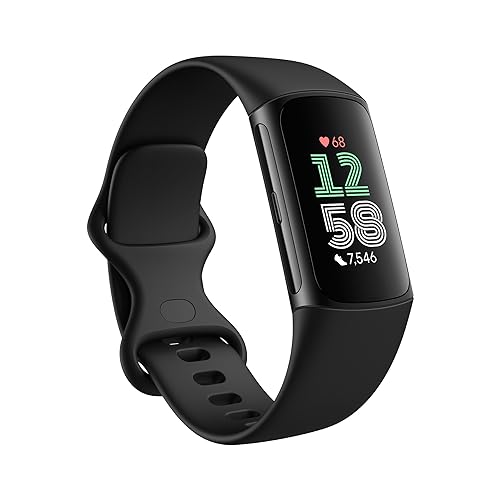
- Built-in GPS for outdoor rides
- 40+ exercise modes and heart-rate tracking
- Up to seven days of battery life
Best For: Cyclists wanting broad health and smartwatch features
Best Heart-Rate Companion

- Bluetooth and ANT+ connectivity
- Comfortable optical armband design
- Up to 24 hours of battery life
Best For: Cyclists pairing a heart-rate sensor with existing gear
Best Simple Garmin Tracker

- Uses smartphone GPS for outdoor rides
- Tracks sleep, stress, and Body Battery
- Up to seven days of battery life
Best For: Phone-carrying cyclists wanting Garmin health tracking
Best Battery Life

- Up to 21 days per charge
- Bright 1.72-inch AMOLED display
- Cycling and multi-sport tracking
Best For: Cyclists wanting long battery life and a large display
Versatile Calling Companion
Women’s Cycling Fitness Smartwatch

- 100+ modes include cycling with distance and calorie tracking
- Bluetooth calling and notifications for connected convenience
- Smartphone GPS, health monitoring, and two included bands
Best For: Cyclists wanting a smartwatch with calling and broad wellness features
Data-Focused Ride Tracker

- 112 sports modes include cycling with speed and distance data
- Up to seven-day battery life and two interchangeable bands
- Sleep, heart-rate, SpO2, and notification features
Best For: Cyclists focused on workout data and post-ride app insights
Lightweight Everyday Pick

- 25 sports modes with steps, distance, and calorie tracking
- Lightweight 1.47-inch OLED design for all-day wear
- Up to seven days of continuous use and phone notifications
Best For: Casual cyclists wanting simple tracking in a lightweight band
Compact AMOLED Pick

- 25 sport modes include cycling tracking
- 1.10-inch AMOLED touchscreen
- 5 ATM waterproof design
Best For: Casual cyclists wanting compact activity tracking and long battery life
Large-Display Option

- 1.58-inch high-resolution touchscreen
- 120-plus exercise modes
- Up to seven days of battery life
Best For: Cyclists who prefer a larger display and smartwatch notifications
Best All-Around Pick – Fitbit Charge 6
If you want a versatile fitness tracker for cycling, the Fitbit Charge 6 combines built-in GPS, 24/7 heart-rate monitoring, automatic exercise tracking, and more than 40 exercise modes. It also adds useful everyday features such as sleep scoring, stress tracking, Google Maps directions, and Google Wallet.
Best For: Cyclists who want GPS ride tracking alongside broad health, sleep, and smartwatch features.
Pros:
- Built-in GPS helps track outdoor rides without relying entirely on a phone.
- Provides real-time heart-rate data, Active Zone Minutes, and automatic exercise tracking.
- Up to seven days of battery life, with 50-meter water resistance.
- Includes Google Maps directions and Google Wallet support.
Cons:
- Google Health Premium features require a separate subscription after the included trial.
- Compatibility requires relatively recent Android or iOS phones.
The Charge 6 is the strongest general-purpose option here for riders who want cycling tools without giving up sleep, stress, and daily activity tracking. Its built-in GPS and connected features make it more self-sufficient than phone-dependent trackers.
Best Heart-Rate Companion – Scosche Rhythm+ 2.0
The Scosche Rhythm+ 2.0 is a focused fitness tracker for cycling that prioritizes real-time heart-rate data rather than onboard activity metrics or a display. Its optical armband connects to compatible cycling computers, watches, fitness equipment, and apps through Bluetooth or ANT+.
Best For: Cyclists who already use a compatible watch, bike computer, or training app and want a comfortable heart-rate sensor.
Pros:
- Supports both Bluetooth and ANT+ connections for broad device compatibility.
- Armband design fits the forearm, bicep, or tricep and avoids a restrictive chest strap.
- Offers up to 24 hours of continuous battery life.
- IP68 water resistance supports sweaty, rainy, and demanding workouts.
Cons:
- It does not provide the standalone GPS, display, or broader wellness features of a wrist tracker.
- Its short battery life requires more frequent charging than multi-day fitness bands.
This is a practical add-on for cyclists who already have a device to display ride data. Choose it when accurate, wireless heart-rate input matters more than having an all-in-one tracker.
Best Simple Garmin Tracker – Garmin vívosmart 5
The Garmin vívosmart 5 is a lightweight fitness tracker for cycling that uses your smartphone’s GPS to track outdoor rides. It adds continuous health monitoring, sleep insights, Body Battery, activity profiles, notifications, and incident-detection features when paired with a compatible phone.
Best For: Riders who prefer a slim Garmin tracker and do not mind carrying a smartphone for GPS activity tracking.
Pros:
- Connects to a smartphone’s GPS for tracking outdoor rides.
- Tracks heart rate, sleep, stress, respiration, Pulse Ox, and Body Battery.
- Up to seven days of battery life and 50-meter water resistance.
- Lightweight design with a touchscreen, button interface, and interchangeable bands.
Cons:
- It relies on a connected smartphone for GPS ride tracking.
- The smaller display may be less convenient for viewing ride information at a glance.
The vívosmart 5 suits cyclists who want Garmin’s health and activity ecosystem in a discreet band. It is a sensible choice for phone-carrying riders, but less suitable if you want independent GPS navigation on the bike.
Best Battery Life – Xiaomi Smart Band 10
The Xiaomi Smart Band 10 is a budget-friendly fitness tracker for cycling with a bright 1.72-inch AMOLED display, multi-sport support, heart-rate and sleep monitoring, and up to 21 days of battery life. It is best viewed as a phone-connected activity band because the supplied specifications list no built-in GPS.
Best For: Cyclists prioritizing a large, bright display and long battery life for everyday activity tracking.
Pros:
- Up to 21 days of battery life, with fast charging in about one hour.
- Large 1.72-inch AMOLED display reaches 1500 nits HBM brightness.
- Supports cycling and multi-sport activity tracking, plus heart-rate and sleep monitoring.
- 5ATM water resistance supports swimming and everyday water exposure.
Cons:
- The supplied specifications state that it has no GPS, so ride location tracking requires another device.
- The Xiaomi Fit app supports metric measurements only; imperial units require a third-party connection workflow.
The Smart Band 10 stands out for convenience, screen visibility, and charging endurance. It works well for cyclists who mainly need wrist-based activity and health tracking, but dedicated GPS riders should pair it with a phone or choose a tracker with onboard GPS.
Versatile Calling Companion – Women’s Cycling Fitness Smartwatch
If you want a fitness tracker for cycling that also handles everyday smartwatch duties, this HOMOGO model combines cycling support with 100+ sports modes, automatic walking and running detection, and activity metrics such as distance, calories, duration, and steps. Smartphone-connected GPS provides geotagging, while Bluetooth calling and notifications add convenience on rides and throughout the day.
Best For: Cyclists who want a feature-rich smartwatch with calling, notifications, interchangeable bands, and broad activity tracking.
Pros:
- Includes cycling among 100+ sports modes and tracks key activity metrics.
- Offers heart-rate, blood-oxygen, stress, sleep, and menstrual-cycle monitoring.
- Supports Bluetooth calling, app notifications, custom watch faces, and useful daily tools.
- Includes stainless-steel and silicone bands, with IP68 protection for rain and sweat.
Cons:
- GPS geotagging works through a connected smartphone rather than built-in GPS.
- Water resistance is limited to 1.5 meters; hot water and seawater should be avoided.
This is a strong all-around pick when cycling is one part of a broader routine. Choose it if calling and smartwatch features matter as much as workout tracking; riders seeking phone-free route recording should look for built-in GPS instead.
Data-Focused Ride Tracker – MorePro Cycling Fitness Watch
For shoppers comparing a fitness tracker for cycling, the MorePro offers a dedicated cycling mode alongside 112 sports modes and all-day activity tracking. It records steps, distance, calories, speed, and workout duration, then syncs data through the FitCloudPro app. Smartphone GPS provides geotagging, so your phone remains part of the setup.
Best For: Riders who want extensive workout modes, health and sleep insights, long battery life, and notification support.
Pros:
- Provides cycling mode within 112 sports modes and tracks speed, distance, calories, and duration.
- Offers continuous heart-rate, blood-pressure, and blood-oxygen monitoring with heart-rate alerts.
- Includes sleep-stage reports, call and app notifications, and practical reminders.
- Claims up to seven days of battery life and includes silicone and nylon bands.
Cons:
- GPS geotagging is provided through a smartphone, not built into the watch.
- It supports call alerts but cannot make or answer calls.
- Although IP68-rated, it is not recommended for swimming, diving, or showering.
The MorePro is a practical choice for cyclists who prioritize detailed activity summaries and wellness trends over standalone navigation. Its large selection of sports modes and app-based reports make it particularly useful for reviewing rides after training.
Lightweight Everyday Pick – Compact Cycling Activity Band
This compact band is a straightforward fitness tracker for cycling and daily activity, with 25 sports modes, automatic step, distance, and calorie tracking, and a built-in stopwatch for timed workouts. Its 1.47-inch OLED display and lightweight design suit all-day wear, while Bluetooth connectivity delivers phone notifications and health data without built-in GPS.
Best For: Casual cyclists seeking a lightweight, low-maintenance tracker with basic workout modes and extended battery life.
Pros:
- Includes 25 sports modes and automatically records steps, distance, and calories.
- Provides all-day heart-rate, sleep-stage, blood-oxygen, and blood-pressure data.
- Lightweight, skin-friendly design supports day-and-night wear.
- Offers up to seven days of continuous use, with longer stated standby and regular-use ranges.
Cons:
- It has no GPS, so ride routes and geotagging are not available from the band itself.
- The supplied details do not identify a dedicated cycling-specific metric set beyond the sports modes and general activity tracking.
- Its smaller display may provide less at-a-glance information than larger smartwatches.
This band makes sense for riders who want basic cycling and wellness tracking in a small package. It is less suitable for cyclists needing route data or advanced ride analysis, but its comfort, notifications, and low charging burden suit everyday use.
Compact AMOLED Pick – C60 Fitness Tracker
For shoppers seeking a practical fitness tracker for cycling, the C60 offers a compact design with cycling among its 25 sport modes. It records workout time, heart rate, and distance, while its 1.10-inch AMOLED touchscreen keeps basic information easy to view.
Best For: Casual cyclists who want a small, versatile tracker with broad activity and wellness features.
Pros:
- Includes a cycling mode within 25 sport modes and records workout time, heart rate, and distance.
- AMOLED color touchscreen and stainless steel frame provide a clear, compact design.
- 5 ATM waterproofing supports use in rain, during handwashing, and in other wet conditions.
- Claimed 10–14 days of regular-use battery life with magnetic fast charging.
Cons:
- The supplied information does not indicate built-in GPS, so route tracking may depend on a connected phone or app.
- Its 1.10-inch display is smaller than the screen on a traditional smartwatch.
- Health metrics such as blood pressure and body temperature should be treated as wellness information rather than medical readings.
The C60 is a sensible lightweight option for cyclists who prioritize activity basics, water resistance, and battery endurance over advanced navigation features.
Long-Battery Band – PJIVE Smart Bracelet
The PJIVE smart bracelet is a strong fit for a fitness tracker for cycling if you want extensive sport-mode coverage without frequent charging. Its 170-plus modes include cycling, and it records distance, calories, duration, and steps through the companion app.
Best For: Frequent cyclists who value very long battery life, lightweight comfort, and detailed app-based activity records.
Pros:
- Offers more than 170 sport modes, including cycling.
- Tracks cycling distance, calories, duration, and steps, with reports available in the free companion app.
- Advertised 40–60 days of battery life on one charge.
- IP68 waterproofing and a lightweight design support everyday and outdoor use.
Cons:
- GPS functionality is listed as GPS via smartphone rather than clearly built-in GPS.
- The bracelet uses buttons, so it may feel less interactive than a touchscreen watch.
- The supplied details list continuous blood pressure and blood oxygen monitoring, but these should not replace professional medical measurement.
With its exceptionally long claimed battery life and broad sport selection, the PJIVE is particularly appealing for cyclists who prefer a discreet band and do not need on-device route navigation.
Large-Display Option – H32 Ultra Smart Watch
Fitness Tracker Activity Watch with Heart Rate Sleep Tracker Blood Oxygen Trackertep Calorie Counter
Check Price On AmazonThe H32 Ultra is a practical fitness tracker for cycling for riders who prefer a larger, more watch-like display. It includes more than 120 exercise modes and all-day tracking for steps, distance, and calories, along with 24/7 heart rate, blood oxygen, and blood pressure monitoring.
Best For: Cyclists who want a larger touchscreen, broad workout coverage, and phone notification support.
Pros:
- Provides more than 120 exercise modes for varied training, including cycling-related activity coverage.
- Its 1.58-inch high-resolution display offers more viewing area than compact fitness bands.
- Tracks steps, distance, calories, sleep, heart rate, blood oxygen, and blood pressure.
- IP68 waterproofing and up to seven days of stated battery life support regular use.
Cons:
- The supplied notes do not confirm built-in GPS or cycling route navigation.
- Up to seven days of battery life is shorter than the claimed endurance of the PJIVE bracelet.
- The repeated notification feature descriptions do not specify which phone apps are supported.
The H32 Ultra makes the most sense for cyclists who want readable on-wrist information and smartwatch-style notifications, provided phone-assisted tracking is sufficient for their riding needs.
How We Picked the Best Fitness Tracker for Cycling
We focused on features that are genuinely useful on and around the bike: heart-rate tracking, cycling or multi-sport modes, workout recording, battery life, comfort, display readability, and compatibility with Android and iPhone devices. We also considered whether each product is better suited to casual rides, structured training, everyday activity tracking, or smartwatch-style communication.
Because these products vary widely, this list includes both wrist-worn trackers and an armband monitor. A dedicated heart-rate sensor can be the better choice for cyclists who already use a bike computer or smartphone app and primarily need more dependable pulse data.
Quick Comparison
| Best For | Recommended Type | What to Prioritize |
|---|---|---|
| Casual riders | Fitness band | Simple workout tracking, comfort, and battery life |
| Heart-rate-focused training | Optical armband | Secure fit, ANT+, Bluetooth, and sensor consistency |
| Everyday wellness | Health and fitness tracker | Sleep, steps, notifications, and all-day wearability |
| Multi-sport use | Advanced tracker or smartwatch | Sport profiles, water resistance, and workout controls |
| Frequent charging avoidance | Long-battery band | Battery rating, charging time, and display efficiency |
Key Buying Factors for a Fitness Tracker for Cycling
Heart-Rate Accuracy and Sensor Placement
Heart-rate data is useful for pacing and effort control, but wrist sensors can shift during intense riding or when the handlebars create a bent-wrist position. Look for a secure, comfortable fit. If accuracy is your top priority, an armband with ANT+ or Bluetooth connectivity may pair more reliably with cycling computers and training apps.
GPS and Phone Dependence
Check whether the tracker has built-in GPS or records route data through your phone. Connected GPS can be sufficient for casual rides, but it uses phone battery and requires the phone to remain nearby. Built-in GPS is more convenient for riders who want distance, pace, and route tracking without carrying a phone.
Battery Life, Display, and Controls
Long battery life is especially valuable for commuters, touring cyclists, and anyone who dislikes frequent charging. A bright display and responsive controls also help when checking elapsed time or heart rate outdoors. Consider whether the screen can be read in direct sunlight and whether the device is practical to operate while stopped.
Compatibility and Cycling Features
Confirm compatibility with your phone, preferred fitness app, and bike computer before buying. ANT+ support is important for some cycling setups, while Bluetooth is common for phones and newer accessories. Also check for cycling-specific workout modes, automatic activity detection, water resistance, and export or synchronization options.
Who Should Buy Which Fitness Tracker for Cycling?
Choose a dedicated armband monitor if you already have a bike computer or smartphone app and want focused heart-rate data with minimal distractions.
Choose a mainstream fitness band if you want cycling records alongside steps, sleep, notifications, and general wellness tracking. These are usually the best fit for everyday wear and casual-to-moderate riding.
Choose a multi-sport tracker or smartwatch if cycling is one of several activities you track and you want broader workout profiles, phone features, or on-device controls.
Choose a budget smart band if you mainly want basic heart rate, steps, sleep, calories, and occasional activity tracking. Just verify app quality, sensor expectations, warranty coverage, and whether advertised blood-pressure or blood-oxygen readings are intended for wellness rather than medical decisions.