The best fitness trackers make it easier to understand your activity, workouts, sleep, and recovery without adding unnecessary complexity. This roundup compares 10 options ranging from slim bands and screenless wearables to feature-rich GPS smartwatches.
Whether you want dependable health insights, long battery life, call-friendly smartwatch features, or an affordable step counter, use the comparisons below to narrow your choices by priorities and budget.
Best 10 Fitness Trackers Picks for 2026
Best Overall

- Built-in GPS and 30+ sports apps
- Up to 11-day smartwatch battery
- Detailed sleep, stress, and recovery tools
Best For: Training-focused users wanting a versatile GPS smartwatch
Best Battery Life

- Up to 14 days of battery life
- 1.6-inch AMOLED touchscreen
- 101+ exercise modes with auto detection
Best For: Android users seeking a bright, long-lasting fitness band
Best Budget Health Features

- Tracks multiple health and sleep metrics
- 25 sport modes with 5ATM water resistance
- Up to 10–14 days of regular-use battery
Best For: Everyday wellness tracking across iPhone and Android
Best Slim Wellness Tracker

- Daily readiness, stress, and sleep scores
- 40+ exercise modes with auto tracking
- Works with supported iOS and Android devices
Best For: Users prioritizing everyday wellness and habit building
Advanced Recovery Pick

- Screenless design with 24/7 health and sleep tracking
- Includes 12-month WHOOP Peak membership and charging pack
- 14+ day battery with AI coaching and recovery insights
Best For: Athletes and users focused on recovery, sleep, and personalized health guidance
Everyday Smartwatch Value

- 1.83-inch display with customizable watch faces
- Bluetooth calls, notifications, and everyday smart tools
- Multi-sport tracking with up to 10 days of battery life
Best For: Users wanting basic fitness tracking plus calls and smartwatch conveniences
GPS Training Choice

- Built-in GPS with 40+ exercise modes
- Tracks readiness, sleep, stress, heart rate, and activity
- Google Maps, Wallet, and YouTube Music integrations
Best For: Runners and everyday exercisers wanting GPS and connected training features
Versatile Smartwatch Pick

- 24 sports modes with real-time workout metrics
- Two bands and 165+ customizable watch faces
- Heart-rate monitoring and smartphone notifications
Best For: Style-conscious users who want fitness tracking plus smartwatch features
Slim Everyday Pick
Simple Activity and Sleep Tracker
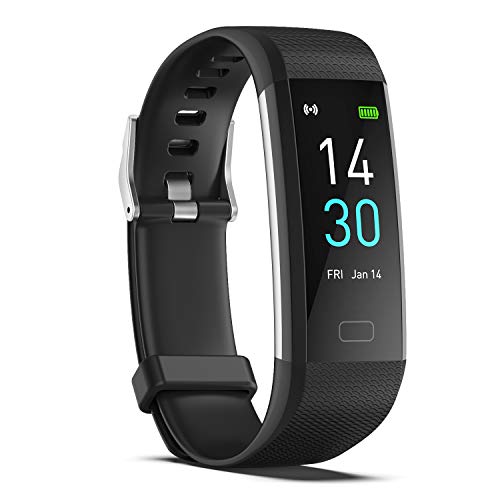
- Slim band tracks daily activity and sleep stages
- 16 sports modes with connected GPS routes
- Up to 5–7 days of battery life
Best For: Users who prefer lightweight, straightforward daily tracking
Bright Display Pick

- 1.10-inch AMOLED display with custom watch faces
- 25 sports modes and 24/7 heart-rate tracking
- Up to 7 days of battery life with smart reminders
Best For: Users prioritizing display quality and broad wellness features
Best Overall – Garmin vívoactive 5
The Garmin vívoactive 5 is a strong all-around choice among fitness trackers for shoppers who want detailed health insights, built-in GPS, training tools, and a bright AMOLED display. Its up-to-11-day smartwatch battery life also suits regular use without frequent charging.
Best For: Fitness-focused users who want GPS sports tracking, recovery insights, and broad health features.
Pros:
- Built-in GPS and more than 30 indoor and outdoor sports apps
- Up to 11 days of battery life in smartwatch mode
- Includes Body Battery, sleep coaching, nap detection, and recovery-time insights
- Supports downloadable music for phone-free listening
Cons:
- Its extensive features may be more than casual users need
- Some health metrics are intended as close estimates rather than medical measurements
Choose the vívoactive 5 if you want a fitness tracker that can support structured training as well as everyday wellness monitoring. The combination of GPS, adaptive training options, and music storage makes it especially versatile.
Best Battery Life – Samsung Galaxy Fit3
The Samsung Galaxy Fit3 is a slim fitness tracker with a large AMOLED screen, automatic workout detection, and a claimed battery life of up to 14 days. Its water and dust resistance make it practical for active daily wear, but compatibility is an important consideration.
Best For: Android users who prioritize long battery life, a bright display, and straightforward activity tracking.
Pros:
- Large 1.6-inch AMOLED display with touch navigation
- Up to 14 days of battery life
- 101+ workout modes with automatic detection
- 5ATM and IP68 water and dust resistance
Cons:
- Compatible with Android devices only and not with iPhone or iOS
- No built-in GPS
- International model has no U.S. warranty, according to the supplied notes
The Galaxy Fit3 is appealing if you want a simple, low-maintenance tracker with a spacious screen and extensive exercise-mode support. Verify Android compatibility and warranty terms before buying.
Best Budget Health Features – Zeacool Fitness Tracker
The Zeacool fitness tracker packs a wide selection of wellness and activity features into an affordable-looking band, including heart rate, blood oxygen, blood pressure, sleep, and temperature monitoring. It also offers 25 sport modes, 5ATM water resistance, and up to 10–14 days of regular-use battery life.
Best For: Shoppers seeking broad everyday tracking features, water resistance, and long battery life across iPhone and Android smartphones.
Pros:
- Tracks heart rate, blood oxygen, blood pressure, sleep, and temperature
- Offers 25 sport modes and records steps, distance, and calories
- 5ATM waterproof design for swimming and daily water exposure
- Up to 10–14 days of regular-use battery life
Cons:
- The 1.1-inch display is smaller than many smartwatch screens
- Software update support is listed as unknown
- Health measurements should not be treated as medical diagnoses
This Zeacool model is a feature-rich option for basic activity and wellness monitoring. Its broad sensor list and cross-platform compatibility are useful, though buyers should keep expectations appropriate for a budget-oriented tracker.
Best Slim Wellness Tracker – Fitbit Inspire 3
The Fitbit Inspire 3 is a compact fitness tracker built around everyday activity, stress, and sleep insights. It supports all-day activity and heart-rate tracking, more than 40 exercise modes, automatic exercise detection, and compatibility with current iOS and Android versions.
Best For: Users who want a lightweight wellness tracker focused on activity motivation, sleep, stress, and heart-rate features.
Pros:
- Includes Daily Readiness Score and Active Zone Minutes
- Tracks all-day activity and 24/7 heart rate
- Offers 40+ exercise modes and automatic exercise tracking
- Provides sleep scores, stress management tools, and menstrual health tracking
Cons:
- The supplied notes do not specify battery life
- The supplied notes do not indicate built-in GPS
- Some features may require a compatible phone connection
The Inspire 3 is a good fit for shoppers who value approachable wellness guidance over advanced sports-watch functions. Its emphasis on readiness, stress, sleep, and movement reminders makes it well suited to building consistent daily habits.
Advanced Recovery Pick – WHOOP 5.0 Screenless Wearable
For fitness trackers focused on recovery rather than notifications, WHOOP 5.0 combines continuous health monitoring, detailed sleep insights, and personalized coaching in a screenless design. The included 12-month WHOOP Peak membership provides access to its coaching and health tools, while the wearable tracks metrics such as heart rate, HRV, respiratory rate, blood oxygen, and skin temperature.
Best For: Athletes and health-focused users who want in-depth recovery, sleep, stress, and long-term wellness insights without a smartwatch screen.
Pros:
- Includes the device, SuperKnit band, and Waterproof Wireless PowerPack with the 12-month membership.
- Tracks sleep stages, sleep need, sleep debt, consistency, and efficiency.
- Offers AI coaching, Healthspan age insights, stress monitoring, and women’s health features.
- Provides 14+ days of battery life and can charge while worn.
Cons:
- The screenless design means there is no on-device display for viewing metrics.
- Its strongest features depend on the WHOOP membership ecosystem.
WHOOP 5.0 is a specialized choice for people who prioritize sleep and recovery guidance over traditional smartwatch functions. Its long battery life and wearable charging help support continuous tracking, while the membership-based app delivers the most value through personalized analysis.
Everyday Smartwatch Value – T7 Fitness Tracker Watch
This T7 is a practical option among fitness trackers for shoppers who also want calls, notifications, and everyday smartwatch tools. It combines a 1.83-inch touchscreen with multi-sport tracking, sleep monitoring, heart-rate and blood-oxygen measurements, and up to 10 days of battery life.
Best For: Users who want an affordable, screen-based fitness tracker with Bluetooth calling, health reminders, and basic workout features.
Pros:
- Supports Bluetooth calls, app notifications, reminders, music controls, and weather updates.
- Tracks steps, distance, calories, workout duration, sleep, heart rate, blood oxygen, and stress.
- Includes multiple sport modes and up to 10 days of regular-use battery life.
- Comes with two bands and offers customizable watch faces.
Cons:
- IP67 protection is intended for sweat, rain, and handwashing, not swimming or hot showers.
- Its health and activity tracking is designed for general wellness rather than advanced training analysis.
The T7 balances basic fitness tracking with the convenience of a small smartwatch. Its calling and notification features make it more versatile than a simple band, while the included bands and long stated battery life suit everyday wear.
GPS Training Choice – Fitbit Charge 6
Fitbit Charge 6 is one of the more feature-rich fitness trackers for users who want built-in GPS, structured exercise tracking, and connected Google tools in a compact band. It monitors activity, heart rate, sleep, stress, and readiness, while supporting more than 40 exercise modes and up to seven days of battery life.
Best For: Runners, walkers, and everyday exercisers who want GPS, detailed activity metrics, sleep scoring, and Google-connected features.
Pros:
- Includes built-in GPS, 40+ exercise modes, all-day activity tracking, and automatic exercise detection.
- Provides Daily Readiness, Active Zone Minutes, stress management, sleep scores, and Smart Wake.
- Supports Google Maps turn-by-turn directions, Google Wallet, and YouTube Music controls.
- Offers up to seven days of battery life and water resistance to 50 meters.
Cons:
- Some expanded coaching features require a separately sold Google Health Premium membership after the trial.
- Battery life is shorter than the stated runtime of some simpler fitness bands.
Charge 6 is a strong middle ground between a basic activity band and a full smartwatch. Built-in GPS and broad exercise support benefit outdoor training, while sleep, readiness, and Google features make it useful throughout the day.
Versatile Smartwatch Pick – Multi-Sport Fitness Tracker
If you want fitness trackers with smartwatch-style extras, this SWGOTA model combines activity tracking with a touchscreen, customizable watch faces, and phone notifications. It supports 24 sports modes and uses connected smartphone GPS for route tracking.
Best For: Shoppers who want a stylish, notification-ready fitness tracker with broad activity support.
Pros:
- Tracks workouts across 24 sports modes, including running, cycling, dancing, and yoga.
- Offers 24/7 heart-rate monitoring, breathing training, and menstrual-cycle reminders.
- Includes two bands, 165+ watch faces, call and message alerts, and useful controls such as weather, music, and camera functions.
Cons:
- GPS route tracking works through a connected smartphone rather than built-in GPS.
- Calls and messages can be viewed on the watch, but replies must be handled on the phone.
- Its water resistance is rated IP68, but the supplied details do not specify swimming-use limitations.
This is a flexible choice for everyday wear and varied workouts, especially if customization and smart notifications matter as much as basic activity metrics.
Slim Everyday Pick – Simple Activity and Sleep Tracker
For straightforward fitness trackers, the ENGERWALL S5 focuses on daily steps, calories, distance, sleep, and notifications in a slim, lightweight band. Its IP68 rating supports everyday water exposure, while connected GPS records workout routes through the app.
Best For: People seeking a simple, lightweight tracker for daily activity, sleep insights, and reminders.
Pros:
- Tracks steps, calories, distance, exercise time, heart rate, sleep stages, and additional health metrics.
- Supports 16 sports modes and connected GPS for recording workout routes.
- Provides call and message notifications, alarms, hydration reminders, and sedentary reminders.
- Offers up to 5–7 days of battery life and charges through a built-in USB connector.
Cons:
- The blood-pressure feature must be downloaded and enabled in the Runmefit app.
- GPS depends on smartphone positioning rather than a built-in GPS receiver.
- It is not intended for prolonged soaking, hot baths, or saunas despite its IP68 rating.
Its slim design and practical reminders make it a sensible daily-wear option, particularly for buyers who prefer essential tracking over a larger smartwatch-style display.
Bright Display Pick – AMOLED Health Fitness Tracker
This fitness tracker is a strong option if you want a more vivid screen and a broad set of wellness features. Its 1.10-inch AMOLED display shows activity data and notifications clearly, while the Keep Health app supports continuous heart-rate trends, sleep tracking, and 25 sports modes.
Best For: Users who want a bright AMOLED screen, extensive workout modes, and longer everyday battery life.
Pros:
- Uses a 1.10-inch AMOLED touch display with customizable watch faces.
- Tracks 25 sports modes plus steps, calories, distance, heart rate, and exercise time.
- Provides 24/7 heart-rate tracking, sleep analysis, breathing-rate information, and connected GPS routes.
- Includes notifications, weather, camera control, hydration and sedentary reminders, and up to 7 days of battery life.
Cons:
- GPS route recording requires connection to a smartphone.
- Sleep data is intended for reference and does not replace medical advice.
- The supplied details list no warranty.
With its AMOLED screen and extensive feature list, this model suits shoppers who want fitness tracking to feel more like a full-featured health smartwatch without sacrificing a compact design.
How We Picked These Fitness Trackers
We selected products across several common buying priorities: activity and workout tracking, heart-rate and sleep monitoring, GPS capability, battery life, water resistance, display quality, smartphone compatibility, and overall convenience. The list includes established devices from Garmin, Samsung, Fitbit, and WHOOP alongside budget-oriented trackers with broader feature claims.
Because specifications and included services can vary by seller, check the current listing for membership requirements, supported phones, band sizes, charging accessories, and regional availability before ordering.
Quick Comparison
| Best For | Look For |
|---|---|
| GPS workouts | A built-in GPS smartwatch such as the Garmin vívoactive 5 |
| Long battery life | Simple bands or models advertising multi-day use, such as the Samsung Galaxy Fit3 |
| Sleep and recovery insights | Detailed sleep features, trends, and—where applicable—membership-based analysis |
| Everyday wellness | A lightweight tracker with steps, heart rate, sleep, and notifications |
| Calls and smartwatch functions | A larger display with phone-call support and notification controls |
| Lowest-cost tracking | A basic step, distance, calorie, and activity tracker with realistic expectations |
Key Buying Factors for Fitness Trackers
Tracking Accuracy and Sensors
Prioritize the metrics you will actually use. Step counts and heart-rate trends are common, while blood oxygen, blood pressure estimates, and sleep stages may have limitations and should not replace medical equipment or professional advice. A comfortable fit is essential because consistent wear improves the usefulness of long-term trends.
Battery, Charging, and Comfort
Choose a battery cycle that matches your routine. Frequent charging may be acceptable for a smartwatch with GPS and a bright display, but a simpler band can be more convenient for overnight wear. Consider weight, band adjustability, skin comfort, and whether the charger is proprietary.
Workout Features and Water Resistance
Runners and outdoor athletes should look for built-in GPS, route tracking, interval tools, and strong exercise profiles. For swimming or daily shower use, verify the stated water-resistance rating and its limitations rather than assuming every waterproof claim means the same thing.
Phone Compatibility and Ongoing Costs
Confirm Android and iPhone support, app quality, notification features, and whether advanced insights require a subscription. Some devices work best within a particular brand ecosystem, while basic trackers may offer fewer integrations but lower long-term costs.
Who Should Buy Which Fitness Trackers?
Choose a GPS-focused smartwatch if you want serious workout tracking, navigation, and richer training tools in one device. Pick a slim fitness band if comfort, sleep tracking, and battery life matter more than apps or large-screen features. A Fitbit option suits shoppers who value a polished health platform and broad everyday insights, while WHOOP is better suited to users specifically interested in recovery and willing to maintain its membership.
For calls, notifications, and a watch-like experience, select a larger smartwatch-style tracker. Budget models can work well for basic steps, distance, calories, and introductory monitoring, but review app support, sensor claims, warranty coverage, and customer feedback carefully before buying.