The best wading boots for hiking need to do more than keep your feet protected in the water. They also need dependable traction, a comfortable fit, and enough support for uneven approaches and long days on the trail.
This roundup compares 10 popular options across rubber, felt, cleated, interchangeable, and neoprene designs so you can match your boots to your fishing environment and hiking priorities.
Best 10 Wading Boots for Hiking Picks for 2026
Best Lightweight Pick

- Lightweight at 1.3 lb per boot
- Slip-resistant rubber traction
- Quick-draining, flexible design
Best For: Day hikes and anglers seeking low-weight comfort
Best Interchangeable Sole System
Korkers Greenback Wading Boots

- Felt and Kling-On soles included
- OmniTrax 3.0 outsole compatibility
- Channels help drain retained water
Best For: Anglers adapting traction to different river surfaces
Best Waterproof Support

- Waterproof synthetic upper
- Reinforced toe and heel
- Compatible with select Simms cleats
Best For: Wet-weather wading and supportive trail approaches
Best Reef Protection
Foreverlast Ray-Guard Reef Boots
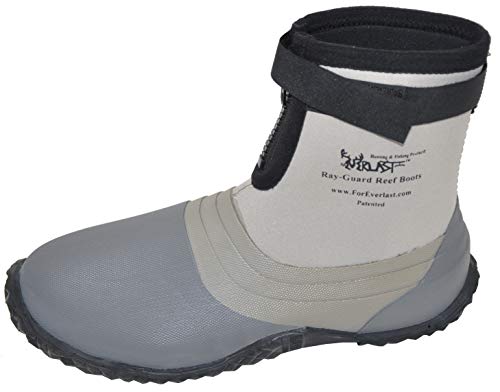
- Four-layer vulcanized rubber sole
- Drainage vent and grit-blocking system
- Secure cuff and zipper closure
Best For: Rocky reefs, uneven river bottoms, and boat use
Rocky-River Confidence

- Felt or cleated outsole options
- Fast-draining micro-screen ports
- Ankle support with toe and heel protection
Best For: Rugged wet terrain and river-bottom wading
Comfortable All-Day Wading

- Felt or cleated traction choices
- Water-draining mesh and PVC upper
- Cushioned midsole and padded collar
Best For: Long fishing days on wet, uneven ground
Secure Lightweight Traction
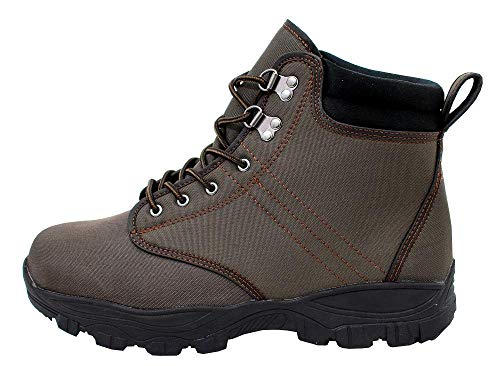
- Felt or lugged outsole options
- Water-draining 1000-denier nylon upper
- Speed lacing with protective toe cap
Best For: Lightweight hiking and wading on slippery terrain
Best Traction Pick
Paramount Outdoors Stonefly Wading Boot
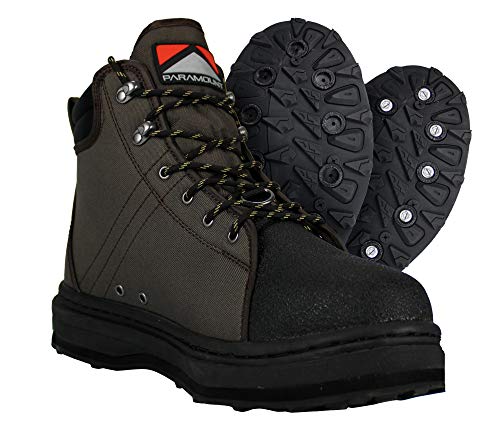
- Cleated rubber outsole accepts included steel studs
- Reinforced toe and midsole protect on rocky terrain
- Designed for stockingfoot wader booties
Best For: River crossings and adjustable traction on slick, muddy banks
Best Sand-Blocking Design
FROGG TOGGS Aransas II Wading Boot
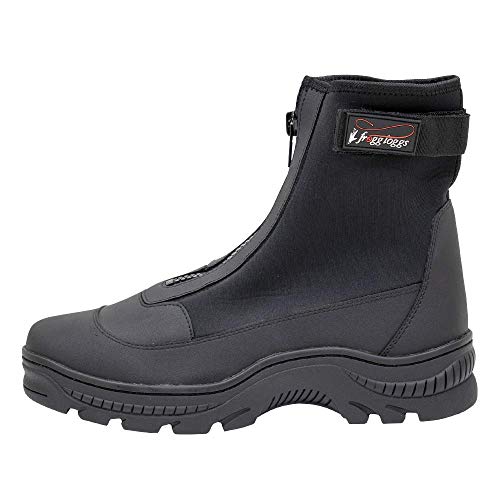
- 5mm neoprene shell offers a snug fit
- Cleated rubber outsole provides traction
- Zippered gusset helps keep sand and grit out
Best For: Surf, sand, and shoreline wading
Best Sole Choice
FROGG TOGGS Hellbender Wading Boot
- Available with felt or cleated soles
- Water-draining mesh and PVC upper
- Wide wading last supports stability
Best For: Fishing routes with varied wet terrain and traction needs
Best Lightweight Pick – Foxelli Wading Boots
Foxelli Wading Boots – Lightweight Fly Fishing Boots for Men, Rubber Sole Wading Shoes
Check Price On AmazonIf you want wading boots for hiking that can transition easily from trail to river, the Foxelli Wader is a practical option. Its lightweight construction, flexible upper, shock-absorbing EVA midsole, and slip-resistant rubber tread are suited to daylong movement across wet and uneven ground.
Best For: Hikers and anglers who prioritize low weight, flexible comfort, and quick drainage.
Pros:
- Lightweight design with OrthoLite insoles and an EVA midsole for reduced fatigue.
- Slip-resistant rubber outsole helps on mud, moss, slick rocks, and trails.
- Mesh drain ports release water while helping block debris.
- Reinforced toe and heel rand adds protection against rocks, brush, and gravel.
Cons:
- Not insulated or fully waterproof, so it is better paired with neoprene booties.
- Thicker socks or cold-weather layers may require sizing up.
The Foxelli stands out when hiking comfort and manageable weight matter as much as river performance. It offers useful trail and wading features without the bulk of a heavier boot.
Best Interchangeable Sole System – Korkers Greenback Wading Boots
The Korkers Greenback is a versatile choice for wading boots for hiking because it includes both felt and Kling-On sticky rubber soles. Its OmniTrax 3.0 system lets users change compatible outsoles, while internal water channels and hydrophobic materials help reduce retained water and drying time.
Best For: Anglers who want adaptable traction for changing river conditions.
Pros:
- Includes interchangeable felt and Kling-On sticky rubber soles.
- Compatible with other Korkers 3.0 accessory outsoles.
- Internal channels and midsole ports help remove water and weight.
- Hydrophobic materials support faster drying and may lessen invasive-species spread.
Cons:
- Heavier than a lightweight hiking-oriented boot at 2 lb 7 oz per pair in size 9.
- Korkers recommends going up a size from a normal street-shoe size.
The Greenback’s main advantage is traction flexibility rather than minimal weight. It is a strong fit for users who regularly move between surfaces and want the option to change soles.
Best Waterproof Support – Simms Freestone Rubber Boot
For hikers who need waterproof wading boots for hiking, the Simms Men’s Freestone Boot – Rubber combines a waterproof synthetic upper with toe and heel reinforcement. Its partial neoprene lining supports easier on-and-off, while the dual-density EVA midsole provides cushioning underfoot.
Best For: Anglers and hikers wanting a waterproof, supportive boot with cleat compatibility.
Pros:
- Waterproof synthetic scratch leather upper helps protect against wet conditions.
- Toe and heel reinforcement adds durability in demanding terrain.
- Dual-density EVA midsole is designed for a comfortable ride.
- Rubber outsole is compatible with select Simms Hardbite and Alumibite cleats.
Cons:
- Its listed weight is 1.92 kg, making it less focused on ultralight hiking.
- Mid-calf shaft may feel less flexible than an ankle-high boot on extended trails.
The Freestone is a sensible choice when waterproofing and underfoot support take priority over the lightest possible setup. Cleat compatibility also gives anglers added customization options.
Best Reef Protection – Foreverlast Ray-Guard Reef Boots
The Foreverlast Ray-Guard Reef boot is built for wading boots for hiking buyers who also navigate sharp, uneven underwater terrain. Its four-layer vulcanized rubber hard sole, ankle support, water-draining vent, and rock-blocking SD system are aimed at stability and protection around reefs and river bottoms.
Best For: Beach, reef, river-bottom, and boat users needing a protective hard sole.
Pros:
- Four layers of vulcanized rubber provide protection from sharp and uneven terrain.
- Vent and SD system help drain water while limiting rock and grit entry.
- Lightweight design includes strong ankle support.
- Hook-and-loop cuff and zipper allow a secure, adjustable fit.
Cons:
- Designed for spring and summer use rather than insulated cold-weather conditions.
- Its platform heel and reef-focused construction may be less natural for long hiking trails.
The Ray-Guard is most compelling when underfoot protection matters more than conventional trail-boot feel. It offers a secure fit and drainage features for users moving through rocky aquatic environments.
Rocky-River Confidence – Deep Current
For hikers who need wading boots for hiking across rocky shores, river bottoms, wet logs, and mud, the FROGG TOGGS Deep Current combines a broad platform with ankle support. Choose the felt or cleated outsole according to your terrain and local regulations.
Best For: Anglers and outdoor users navigating rugged, wet terrain who want durable ankle-high support.
Pros:
- Available with felt or rubber cleated outsoles.
- Micro-screen drainage ports help water escape while limiting sand and grit entry.
- Toe and heel protection, a broad platform, and ankle support aid stability.
- Large heel pull and durable lacing make putting them on and securing them easier.
Cons:
- Not rated as water resistant.
- Felt or cleated traction may not suit every environment or local regulation.
- Manufacturer warranty is listed as 60 days.
The Deep Current is a practical choice when traction, drainage, and protection matter more than lightweight trail-shoe features. Select the outsole carefully for your intended waters and terrain.
Comfortable All-Day Wading – Hellbender
The FROGG TOGGS Hellbender is a sensible option for wading boots for hiking when you want a lightweight, water-draining upper and cushioned support for a full day outdoors. Its felt or cleated sole lets you match traction to wet rocks, gravel, mud, and debris.
Best For: Full-day fishing trips requiring cushioned comfort, a supportive fit, and configurable traction.
Pros:
- Felt and cleated sole versions accommodate different fishing environments.
- Lightweight mesh and PVC upper is designed to drain water.
- Polyurethane midsole, padded ankle collar, and wide wading last add comfort and stability.
- Speed laces with a locking clip help provide a fast, secure fit.
Cons:
- Listed as not water resistant.
- The manufacturer warranty is 60 days.
- Felt traction may be restricted in some locations.
Choose the Hellbender if comfort and easy lacing are priorities for long days on wet, uneven ground. Confirm whether felt or cleated traction is appropriate before ordering.
Secure Lightweight Traction – Rana Elite
FROGG TOGGS Men's Rana Elite Waterproof Wading Boots for Fishing in Felt or Lugged Waders
Check Price On AmazonFor wading boots for hiking that emphasize a light, nimble feel, the FROGG TOGGS Rana Elite uses a water-draining 1000-denier nylon upper, EVA midsole, and padded collar. Felt and lugged outsole options help tailor the boot to slippery surfaces and outdoor exploration.
Best For: Hikers and anglers seeking lightweight support with a choice of felt or lugged traction.
Pros:
- Available with felt or lugged outsoles for traction on slippery surfaces.
- Water-draining 1000-denier nylon upper helps keep the boot nimble.
- Internal toe cap, padded collar, and EVA midsole add protection and comfort.
- Speed-lace system with polymer loops and brass hooks supports a secure fit.
Cons:
- Listed as not water resistant.
- Felt traction may not be permitted in every area.
- The supplied details list a one-year manufacturer warranty but contain a typographical error in the warranty description.
The Rana Elite stands out for users who want drainage and a secure speed-lace system without a bulky design. The lugged version is the more generally hiking-oriented choice, while felt is intended for suitable fishing environments.
Best Traction Pick – Paramount Outdoors Stonefly Wading Boot
Paramount Outdoors Stonefly Cleated Sole Wading Boot, Rubber Bottom Wading Shoe (11)
Check Price On AmazonFor hikers comparing wading boots for hiking, the Paramount Outdoors Stonefly emphasizes grip and protection on moving water, slick rocks, and muddy riverbanks. Its cleated rubber outsole accepts the included steel studs, while the reinforced construction is designed for use with stockingfoot wader booties.
Best For: River crossings and anglers who want adjustable traction from cleated rubber and removable steel studs.
Pros:
- Cleated rubber outsole with included steel wading studs
- Reinforced toe cap and stiff midsole help protect against rocks
- Padded collar, heel pull, and speed-lace closure support convenient wear
- Gravel-guard D-ring attachment point helps secure compatible gear
Cons:
- Designed for stockingfoot wader booties rather than typical standalone hiking use
- Listed as not water resistant
The Stonefly is a traction-focused option for wet, uneven environments. Its stud-compatible sole and protective upper make it particularly practical when stability and underfoot protection matter more than lightweight trail comfort.
Best Sand-Blocking Design – FROGG TOGGS Aransas II Wading Boot
The FROGG TOGGS Aransas II is a practical choice among wading boots for hiking around surf, sand, and shallow water. Its 5mm neoprene shell, cleated rubber outsole, and reinforced toe and heel are paired with a zippered, gusseted design intended to limit sand and grit entry.
Best For: Beach, surf, and sandy wading conditions where traction and debris control are priorities.
Pros:
- 5mm neoprene shell provides a snug fit
- Cleated one-piece rubber outsole supports traction
- Reinforced toe and heel caps help protect on rocky surfaces
- Front zipper, full gusset, and ankle tension strap help keep out grit
Cons:
- Listed for spring/summer use
- At 3.3 pounds, it may feel substantial for longer hikes
- Listed as not water resistant despite its wading-boot design
The Aransas II focuses on comfort and containment in sandy environments. Its cushioned EVA midsole and athletic-style outsole suit active shoreline use, while the closure system addresses one of the most common problems in sand: grit getting inside the boot.
Best Sole Choice – FROGG TOGGS Hellbender Wading Boot
FROGG TOGGS Men's Hellbender Waterproof Fishing Wading Boot for Fishing in Felt or Cleated, Felt, 12
Check Price On AmazonFor hikers choosing wading boots for hiking across changing river surfaces, the FROGG TOGGS Hellbender offers a choice between felt and cleated soles. Its water-draining mesh and PVC upper, protective caps, and wide wading last are built for support on wet rocks, gravel, mud, and debris.
Best For: Anglers who want to select felt or cleated traction for their fishing environment.
Pros:
- Available with felt or cleated soles
- Water-draining mesh and PVC upper support wet-weather use
- Enhanced toe and heel caps add protection
- Padded collar, polyurethane midsole, and wide wading last support comfort and stability
Cons:
- Listed as not water resistant
- The supplied listing identifies a felt version, so verify the sole option before ordering
- Manufacturer warranty is listed as 60 days
The Hellbender stands out for its adaptable sole selection and supportive wading fit. It is a strong match for fishing-focused hikes where drainage, stability, and terrain-specific traction are more important than a conventional hiking-boot profile.
How We Picked the Best Wading Boots for Hiking
We focused on the features that matter when a fishing approach includes real mileage: sole traction, ankle support, construction, water resistance, weight, and expected durability. The selection includes boots with rubber, felt, cleated, and interchangeable soles, along with lightweight designs and more protective options for rough terrain.
We also considered versatility. Some boots are better suited to rocky rivers and slippery streambeds, while others make more sense for surf, sand, casual access trails, or anglers who prioritize lower weight and easier packing.
Quick Comparison
- Best for all-around use: Choose a supportive rubber-soled boot with a balanced fit and durable upper.
- Best for changing conditions: Interchangeable sole systems offer more traction flexibility across surfaces.
- Best for slippery riverbeds: Felt or cleated soles can provide additional grip where regulations permit.
- Best for lightweight travel: Look for streamlined uppers, modest insulation, and minimal hardware.
- Best for surf and sand: Neoprene and waterproof constructions can improve comfort and protection in wet, sandy environments.
Key Buying Factors for Wading Boots for Hiking
Sole Type and Traction
Rubber soles are versatile, easier to clean, and generally suitable for mixed trail and stream use. Felt can grip slick rocks well but may be restricted in some waterways because of concerns about spreading aquatic invasives. Cleated soles can improve purchase on uneven or muddy surfaces, though they may feel less comfortable on paved approaches. Always check local regulations before choosing felt.
Fit, Support, and Compatibility
Wading boots are designed to fit over waders, so account for the extra bulk when selecting a size. Look for a secure heel, supportive ankle structure, and enough room to flex your toes without excessive movement. A stable fit reduces blisters and helps prevent ankle rolls on rocky trails.
Weight and Drainage
Heavy boots may offer more protection, but they can become tiring during long hikes and feel even heavier when wet. Lightweight models are easier to carry and walk in, while drainage features can help reduce water retention after crossings. Balance low weight against the support and abrasion resistance your routes require.
Durability and Maintenance
Inspect stitching, toe protection, sole bonding, and lace hardware before buying. Rinse boots after use, remove sediment, and dry them thoroughly away from intense heat. Proper cleaning is especially important when moving between waterways.
Who Should Buy Which Wading Boots for Hiking?
Choose a versatile rubber-sole model if you hike varied access trails and fish in multiple environments. Choose an interchangeable-sole design if you want to adapt traction without buying several pairs. Choose felt or cleated boots if your local rules allow them and slick streambeds are your main concern. Choose a lightweight boot for frequent travel or short approaches, and choose a neoprene or heavily waterproofed option for surf, sand, and consistently wet conditions.
Before ordering, verify the manufacturer’s sizing guidance, confirm sole legality where you fish, and leave room for your waders and preferred fishing socks. The right balance of traction, fit, weight, and protection will make both the hike and the time in the water more comfortable.